- Marks a year of disciplined compounding driven by market share gains, expansion in payment processing margins and AI-led operating leverage
- Gained UPI consumer market share every single month in FY 2026, with consumer UPI GTV growing 2.2 times the industry growth
- Distribution of financial services revenue grew 37% YoY to ₹750 Cr in Q4 FY 2026, reflecting a high-growth, high-margin engine
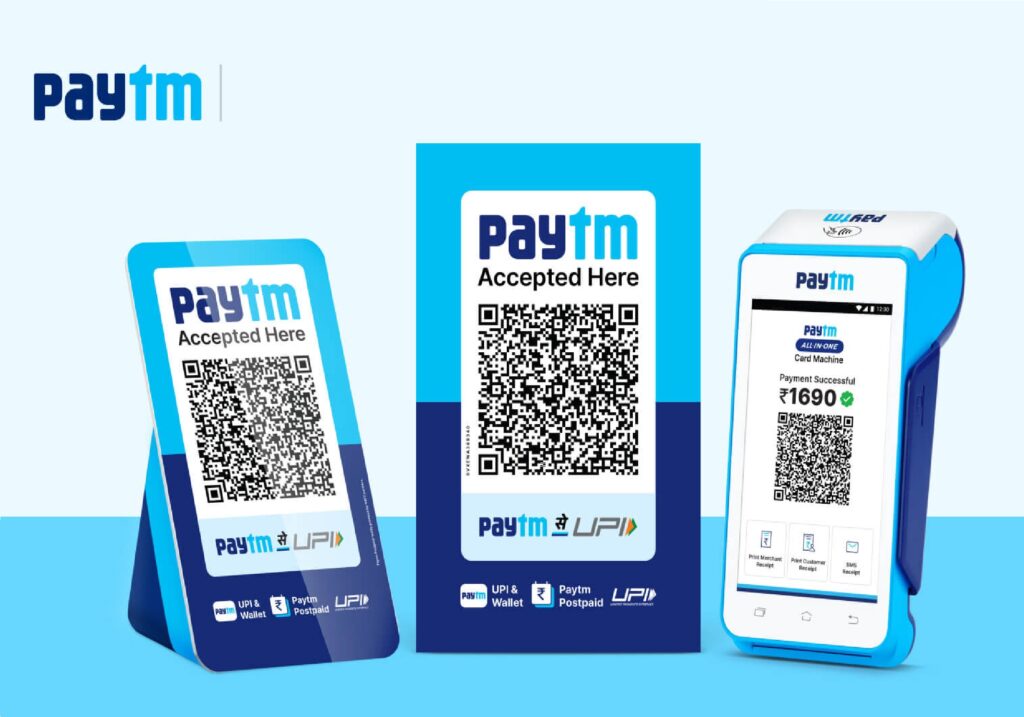
Paytm’s Big Turnaround: From Losses to a ₹552 Crore Profit
In a major win for India’s fintech landscape, Paytm has officially entered its “green era.” For the first time since going public, the company has reported a full-year profit, marking a massive comeback that has caught the attention of investors and industry experts alike.
For the financial year 2025-26 (FY26), Paytm posted a Profit After Tax (PAT) of ₹552 crore. To put that in perspective, this is a huge leap from previous years where the company was spending heavily to grow its user base.
The Numbers at a Glance
The company’s latest financial report shows growth across all its major departments:
- Annual Profit: ₹552 Crore (The first full-year profit in company history).
- Total Revenue: ₹8,437 Crore (A 22% increase compared to last year).
- Revenue Drivers: Strong growth in QR code deployments, soundbox subscriptions, and personal loans.
How Did Paytm Do It?
It wasn’t just luck. Paytm’s “turnaround” is the result of three specific shifts in their business strategy:
- Focus on “The Soundbox”: If you’ve been to a local shop lately, you’ve heard the Paytm Soundbox announce payments. This subscription-based model has become a “money-making machine” for the company, providing steady monthly income.
- Smart Lending: Paytm isn’t just an app for paying bills anymore. By partnering with big banks to offer small, instant loans to users and merchants, they’ve tapped into a highly profitable side of finance.
- Cutting Costs: The company significantly reduced its marketing spend and “cashback” offers, focusing instead on keeping the customers they already have.
Why This Matters to You
For the average user, this news means stability. When a tech company becomes profitable, it usually means they are here to stay. It allows them to invest more in app security, better customer service, and new features like advanced AI wealth management or better insurance products.
“This is a landmark moment,” says one market analyst. “It proves that Indian startups can move away from ‘burning cash’ and actually build a sustainable, profitable business.”
What’s Next?
With ₹8,437 crore in revenue and a growing profit margin, Paytm’s next challenge will be maintaining this momentum while competing with rivals like PhonePe and Google Pay. For now, though, the company is celebrating a hard-earned victory.
The Bottom Line: Paytm is no longer just a “growth story”—it’s now a profitable powerhouse.