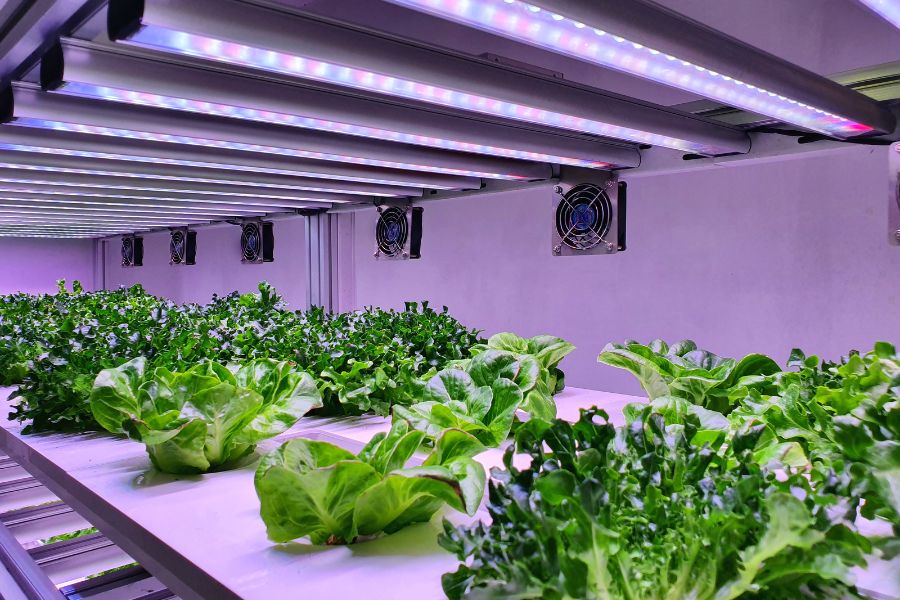
The global vertical farming equipment market hit US$ 4.2 billion in 2024 and is projected to reach US$ 29.7 billion by 2033, growing at a CAGR of 21.4%. Driven by rapid urbanization, technological advancements, and rising investments from agri-tech startups and government initiatives, innovations like energy-efficient LED lighting, AI-driven crop analytics, and IoT monitoring are boosting productivity while conserving water and reducing pesticide use. Image Source: Freepik The global vertical farming equipment market reached a value of US$ 4.2 billion in 2024, highlighting strong momentum in the sector, driven largely by rapid urbanization and technological innovations in controlled environment agriculture. The market is projected to grow at an impressive CAGR of 21.4% between 2025 and 2033, with estimates suggesting it will reach US$ 29.7 billion by 2033. Vertical farming equipment encompasses a range of specialized tools, machinery, and systems that make large-scale vertical agriculture possible. This includes hydroponics, aeroponics, aquaponics, irrigation devices, climate control systems, sensors, and artificial lighting solutions. Increased investments from agri-tech startups, together with government initiatives supporting smart agriculture, are significantly fueling the demand for advanced equipment. One of the most impactful developments has been the emergence of energy-efficient LED lighting systems designed specifically for plant growth, which has substantially lowered operational expenses. Alongside this, the adoption of AI-powered crop analytics, robotics, and IoT-enabled monitoring systems has enhanced productivity, crop yield, and consistency. Furthermore, vertical farming cuts water consumption by as much as 90% compared to conventional farming methods and removes the reliance on harmful pesticides. As sustainability concerns rise, eco-friendly farming equipment is gaining greater traction globally. Vertical farming itself has revolutionized crop cultivation by utilizing vertically stacked layers or structures that maximize space within a limited footprint. It incorporates cutting-edge techniques such as hydroponics, which enables soil-free cultivation; aeroponics, where plants are suspended and their roots misted with nutrients; and artificial lighting to replicate optimal growth conditions. By carefully controlling environmental factors like light, temperature, and humidity, vertical farming enables crops to thrive more effectively than in traditional soil-based agriculture. This model is especially advantageous in urban regions where arable land is limited, making it a key solution for future food security. Market segmentation By Equipment Type: Lighting Systems – High-performance LEDs and grow lights tailored for photosynthesis. Climate Control Systems – HVAC units, sensors, and automated controllers for regulating temperature and humidity. Hydroponic and Aeroponic Systems – Soil-less growing platforms ensuring efficient nutrient delivery. Irrigation Systems – Automated drip and mist irrigation technologies designed to optimize water usage. By Crop Type: Vertical farming equipment is widely used for leafy greens, herbs, tomatoes, strawberries, and microgreens. With ongoing advancements, production of cereals and staple crops are also becoming increasingly feasible. By Geography: North America – Leading adoption driven by agri-tech startups and strong urbanization trends. Europe – Growth supported by sustainability policies and renewable energy integration. Asia-Pacific – Fastest-growing market, spurred by dense populations, limited arable land, and food security imperatives. Challenges faced by market Despite its strong growth prospects, the vertical farming equipment market continues to face several challenges that could hinder widespread adoption and scalability. High initial investment costs – Setting up vertical farming systems involves significant upfront expenditure on advanced equipment such as LED grow lights, climate control systems, hydroponic or aeroponic setups, and automated irrigation systems. For commercial-scale projects, the cost of infrastructure, technology integration, and energy optimization can be prohibitively high. While long-term returns are promising due to higher yields and efficient resource utilization, the heavy capital requirements often deter small and medium-scale farmers and make it difficult for the industry to achieve faster penetration. Energy consumption – Although vertical farms rely on energy-efficient LED lighting, the overall power demand in large-scale facilities remains considerable. Continuous artificial lighting, HVAC systems for climate control, and automated irrigation or nutrient delivery systems drive up electricity costs. In regions where renewable energy is not widely accessible or subsidized, these expenses can significantly impact profitability. Energy remains one of the most critical operational challenges that must be addressed for vertical farming to become more economically viable. Technical expertise – Operating and maintaining vertical farming systems requires specialized knowledge of advanced technologies such as hydroponics, aeroponics, AI-driven monitoring, and IoT-based automation. Skilled professionals are needed to manage equipment calibration, crop health monitoring, and system troubleshooting. However, the availability of such expertise is limited in many developing economies, creating a barrier to adoption. Without adequate training programs and knowledge transfer, scaling vertical farming at a global level may face setbacks. Collectively, these challenges highlight the importance of innovation, policy support, and cost optimization. Addressing these hurdles through research and development, government incentives, affordable renewable energy integration, and capacity building for skilled labor will be crucial to ensuring that vertical farming fulfills its potential as a sustainable and scalable food production system. Future outlook The vertical farming equipment market is expected to expand rapidly as smart farming technologies evolve. The integration of renewable energy solutions, AI-driven crop monitoring, and fully automated farming systems will make vertical farming more scalable and commercially viable. Partnerships between equipment manufacturers, startups, and governments are likely to accelerate innovation, reduce costs, and broaden access, positioning vertical farming as a cornerstone of sustainable agriculture worldwide.


Flex-fuel vehicles in India: Market growth, challenges & roadmap
India’s automobile sector is gearing up for a transformative shift, with flex-fuel vehicles (FFVs) positioned as a practical bridge between petrol engines and cleaner alternatives. Backed by the government’s ambitious E20 blending target by 2025, the market is projected to touch US$ 855.77 billion, growing at a robust pace. Drawing lessons from Brazil and the US, India’s success will depend on scaling ethanol production, ensuring vehicle compatibility, upgrading fuel infrastructure, and winning consumer trust. If these elements align, FFVs could not only cut emissions and reduce fuel costs but also redefine the future of sustainable mobility in India. The automobile industry is entering a decisive phase where sustainability is shaping future mobility. Among the key innovations, flex-fuel vehicles (FFVs) have emerged as a practical bridge between conventional petrol engines and greener alternatives. Unlike traditional vehicles, FFVs can run on varying blends of petrol and ethanol—ranging from E10 (10% ethanol, 90% petrol) to E85 (85% ethanol, 15% petrol). This flexibility makes them a strong contender in India’s transition to low-emission transport. Globally, flex-fuel technology has already proven successful. Brazil leads the way, with 94% of new cars being FFVs, supported by strong agri-tech and ethanol supply chains. The United States, too, has made significant progress through policy incentives and low-cost enzyme technologies. Drawing lessons from these models, India is accelerating its ethanol blending program, targeting 20% ethanol blending (E20) by 2025, with FFVs expected to play a crucial role in meeting this goal. India’s flex-fuel vehicle (FFV) market is projected to be worth US$ 855.77 billion in 2025, expanding at a healthy CAGR of 15% between 2025 and 2030. Demand is set to rise sharply in key urban hubs such as Delhi, Mumbai, Bangalore, and Hyderabad, driven by a mix of policy incentives, technology advancements, and the urgency to curb emissions. Passenger vehicles hold the lion’s share of this market, commanding about 65% of its value, followed by commercial vehicles at 25%, with the remaining 10% spread across other segments. In terms of fuel mix, the market is composed of 70% ethanol, 20% methanol, and 10% gasoline. Automotive leaders like Tata Motors, Mahindra & Mahindra, Maruti Suzuki, and Hyundai are already making bold moves, investing in research and development to introduce models tailored for India’s ethanol-blending roadmap. With the government advancing its goal of 20% ethanol blending (E20) by the end of 2025, the next five years will determine how quickly India can align its vehicle ecosystem with this target. Growth drivers One of the strongest growth drivers for the market is environmental awareness. Ethanol produces significantly fewer carbon dioxide, nitrogen oxides, and sulphur oxides compared to petrol. According to NITI Aayog, sugarcane-based ethanol can reduce greenhouse gas emissions by up to 65%. This aligns with India’s broader climate commitments and its ambition to cut oil imports. Cost advantage is another factor tilting the balance. Ethanol is generally 20–50% cheaper than petrol, offering immediate financial relief for price-sensitive consumers. The development of advanced engine technologies is also accelerating adoption. New systems with corrosion-resistant materials, high-precision sensors, and optimized injection mechanisms are making ethanol compatibility more viable and reducing concerns about long-term wear and tear. Experts point out that India can draw lessons from global leaders in this space. As Dr. Saleem remarked, “India can work following Brazil’s model, where 94% of new cars are FFVs. India can invest in FFV vehicles as we move towards higher ethanol blends.” Brazil’s success rests on strong agri-tech support, robust fuel distribution infrastructure, and policies mandating vehicle compatibility. The United States has also advanced with low-cost enzyme technology and supportive biofuel policy, demonstrating how innovation and regulation together can scale flex-fuel adoption. India’s journey, however, is not without challenges. A key concern is vehicle compatibility. As Dr. Sanjukta Subudhi highlighted, “Vehicle compatibility is a major hurdle. Most existing vehicles are designed for E10 and are not fully compatible with E20. To bridge this gap, manufacturers like Maruti Suzuki, Tata Motors, and Hyundai are developing flex-fuel vehicles (FFVs) that can run on higher ethanol blends, with Maruti planning E20-compatible launches in 2025. Wider E20 adoption will also require an extensive rollout of compatible fuel across retail outlets and infrastructure upgrades in storage and dispensing systems. Ethanol’s chemical properties demand careful handling and robust quality control to ensure performance and safety.” This indicates that India’s transition to E20 and beyond will require coordinated action, not just from automakers, but across fuel retailing, storage, and quality control domains. Without parallel infrastructure upgrades, vehicles built for higher ethanol blends may face performance issues, undermining consumer trust. The question of readiness extends beyond vehicles and fuel stations. DS Mahal stressed the importance of systemic upgrades, noting that “India’s fleet compatibility is still below 5%, and depot readiness for E20/E30 needs major upgrades. India must now align vehicle policies (mandating E20 compatibility for all new petrol cars from April 2026), upgrade over 2,000 fuel depots and 30,000 tankers to E20 standards, and introduce pricing incentives (₹1.5–2.0/litre) to encourage consumer adoption.” Such measures are vital to ensure that flex-fuel vehicles are not just manufactured, but also supported by the supply chain and embraced by the market. Another challenge lies in consumer perception and awareness. Many Indian car owners remain skeptical about ethanol’s effect on fuel efficiency and engine longevity. Studies indicate that E20 fuel may reduce efficiency by 2–5%, though technological improvements are expected to mitigate this over time. Automakers, policymakers, and fuel distributors must work together to communicate the benefits, clarify misconceptions, and assure consumers of long-term safety. While obstacles exist, the momentum is undeniable. India’s ethanol production capacity is expanding rapidly, supported by surplus crops such as sugarcane and rice. Recently, the government redirected record rice stocks into ethanol production, underscoring how the biofuel push also provides an outlet for agricultural surplus while generating rural income. States like Gujarat are pioneering ethanol and compressed biogas (CBG) ventures, reinforcing the link between renewable fuels, rural entrepreneurship, and national energy security. The future of India’s flex-fuel vehicle market will depend on

Express logistics in India set to hit US$ 22 billion by FY30
India’s express logistics and courier sector is poised to double from US$ 9 billion in FY25 to US$ 18–22 billion by FY30, supporting up to 7.5 million jobs, according to an EICI–KPMG report. The industry, which played a vital role during the COVID-19 vaccination drive, is now central to e-commerce growth, MSME exports, and cross-border trade. The express logistics and courier sector is projected to reach US$ 18-22 billion by FY2029-30, up from an estimated US$ 9 billion in FY2024-25, and is expected to support 6.5-7.5 million jobs, according to a report. The report also highlighted that the express industry has evolved from being merely a logistics facilitator to becoming an essential service provider, playing a crucial role during the COVID-19 pandemic by supporting the world’s largest vaccination drive and ensuring priority delivery of essential goods. The report, titled “Express Industry in India 2025: Powering India’s Economy, Connecting Businesses and Markets,” commissioned by the Express Industry Council of India (EICI) and KPMG, identified five priority areas—agility and adaptability, efficiency improvements, customer centricity, a sustainable operating outlook, and a robust policy and regulatory framework—for unlocking future growth. It also emphasizes the need for targeted policy measures, infrastructure expansion, and technology adoption, supported by initiatives such as PM Gati Shakti, the National Logistics Policy, and Bharatmala Pariyojna. Post-pandemic growth is being fueled by high internet and smartphone penetration, exponential e-commerce expansion, increased MSME output, and significant infrastructure development in tier II and III cities, the report stated. It was released by Union Minister for Road Transport and Highways Nitin Gadkari, alongside senior government officials, industry leaders, and other stakeholders, at an event held in New Delhi late Tuesday. The sector has expanded from US$ 3 billion in FY17 to US$ 9 billion in FY25, achieving a CAGR of 12 to 15%. It is anticipated that the market will double to between US$ 18 and 22 billion by FY30. By FY25, the express industry is projected to support between 2.8 and 3 million jobs, the report noted. Furthermore, the sector is expected to make a substantial contribution to GST revenues, estimated at US$ 1 to 1.5 billion, and customs revenues of US$ 650 million, while serving as a vital enabler for e-commerce, MSMEs, and cross-border trade. The domestic express segment constitutes roughly 70% of the total market, valued at US$ 6.3 to 6.5 billion, with surface express accounting for the largest share. In addition to the growth projections, experts believe that the express logistics sector is becoming a backbone for India’s digital and consumption-driven economy. With B2B online marketplace is expected to reach US$ 200 billion by 2030, the demand for time-sensitive and reliable logistics solutions will continue to rise. MSMEs, which contribute nearly 30% to India’s GDP and 45% to its exports, increasingly rely on express delivery networks to access both domestic and global markets. By reducing delivery timelines, ensuring supply chain predictability, and connecting remote geographies, the express industry is not just complementing trade but also accelerating formalisation in the economy. The growth is also aligned with government priorities to reduce logistics costs as a percentage of GDP. India’s logistics costs currently stand at 13-14%, compared to 7-8% in advanced economies. Government initiatives aim to cut costs to around 8% by 2030. Express logistics players, through multimodal integration across surface, air, and coastal routes, are expected to play a decisive role in achieving this target. Another defining trend is technology adoption. From AI-driven route optimization and IoT-enabled tracking to warehouse automation and digital payments, express companies are leveraging technology to improve customer experience and operational efficiency. India Post’s introduction of OTP-based deliveries and UPI-enabled payment systems reflects how even traditional players are adapting to modern logistics needs, ensuring better accountability and reducing dependency on cash transactions. Sustainability is emerging as a parallel priority for the sector. Companies are increasingly adopting electric vehicles, biofuels, and greener packaging solutions to align with global ESG standards and India’s climate commitments. As consumers become more conscious of carbon footprints, integrating green logistics practices will become both a regulatory necessity and a competitive advantage. Finally, global opportunities are opening up for Indian logistics players. The surge in demand for “Made-in-India” products, coupled with expanding free trade agreements, is boosting the need for international express services. This is evident in the rising share of cross-border e-commerce, which is expected to touch US$ 127.31 billion in 2025 to US$ 235.01 billion by 2030, with India as a key contributor. Together, these developments underscore that the express logistics industry is not just expanding in size but also transforming in character—emerging as a strategic enabler for India’s growth story. “The express industry has become a critical pillar of India’s economy, connecting businesses and markets with speed and reliability. From supporting the world’s largest vaccination drive to enabling e-commerce, MSMEs and exports, our sector has shown agility, resilience and innovation. Domestic express, which makes up around 70 per cent of the market, is led by surface transport growth, while international express is expanding rapidly with global demand for Made-in-India products,” said Vijay Kumar, CEO, EICI. India’s express logistics industry is rapidly transforming to meet the increasing demand for fast and reliable delivery solutions, not only through air but also across road, rail, and coastal networks, said Girish Nair, Partner, Mobility and Logistics, National head – Aviation Sector, Global Lead – Airports, KPMG in India.

Fueling India’s future: Prakash Naiknavare on the next big biofuel leap
Prakash Naiknavare, MD of the National Federation of Cooperative Sugar Factories Ltd (NFCSF), recently interacted with India Business & Trade (IBT) to share his insights on India’s biofuel journey. In this conversation, he highlights where India is leading, the critical gaps that need attention, and the opportunities that lie ahead for industry, farmers, and policymakers. From the evolving role of the sugar sector to the future of advanced biofuels and exports, his perspectives outline a clear roadmap for India’s transition towards a sustainable energy future. IBT: Where is India truly leading in biofuels—and where do we need to catch up? Prakash Naiknavare: India has undoubtedly positioned itself as a global frontrunner in the biofuels journey, particularly in ethanol blending and policy frameworks. Over the past decade, we’ve seen the Ethanol Blending Programme grow from just 1.5% in 2014 to over 12% in 2024, with the E20 target for 2025 very much on track. This rapid progress has been possible because of a strong enabling ecosystem—the National Policy on Biofuels, the SATAT initiative for CBG, viability gap funding for 2G ethanol, and the interest subvention scheme for distilleries have all provided momentum. The sugar industry has transformed itself from being only about sugar to becoming integrated bio-refineries producing ethanol, CBG, power from bagasse, and even organic manure. And perhaps most importantly, biofuels have created new income streams for farmers and rural communities, embedding circular economy principles at the grassroots. At the same time, there are areas where India needs to catch up. Advanced biofuels like 2G ethanol have been slow to scale—only four plants have been set up by OMCs and just one is currently operational, with commercial viability remaining a challenge. Similarly, the SATAT scheme has not achieved its CBG targets due to issues in feedstock aggregation and the lack of assured offtake. Biodiesel blending is still very low, collection networks for used cooking oil are weak, and algae-based biodiesel research is minimal. Infrastructure also remains a bottleneck, whether it’s in storage, blending, or biomass aggregation. So, while the progress has been remarkable, the next step for India is to diversify its feedstock base, strengthen infrastructure, accelerate advanced biofuels, and develop a certification and export-ready ecosystem. If we can address these gaps while building on our existing strengths, India will not just meet domestic energy needs but truly establish itself as a global leader in biofuels. IBT: How has the sugar industry’s role evolved with the rise of biofuels? Prakash Naiknavare: The sugar industry has undergone a remarkable transformation in the biofuel era, moving from a purely sugar-centric model to a multi-product bioenergy hub. What were once just sugar factories are now emerging as integrated bio-refineries. Ethanol has become a core business in its own right rather than a mere by-product, alongside the production of bio-CNG, power from bagasse, and even organic manure. This shift is most evident in the industry’s role in the Ethanol Blending Programme. Today, sugar mills contribute more than 85% of the ethanol supplied to OMCs, with many mills operating dual-feed distilleries that process both molasses and grains. Significant investments have also been made in sustainability-focused infrastructure, such as zero-liquid discharge distilleries, spent wash boilers, and CBG units using press mud. By-products like bagasse and vinasse are being valorized for energy and soil enrichment, embedding circular economy principles into daily operations. The impact is visible across the stakeholder chain. Farmers benefit from assured cane procurement and in some cases participate in value creation from by-products. Rural economies gain through local employment, logistics opportunities, and the multiplier effect of new revenue streams. At the national level, the industry has become the backbone of ethanol blending and a vital contributor to energy security. Of course, challenges remain. High capital costs for advanced biofuel diversification, hurdles in obtaining environmental clearances, and the need for better market integration of CBG and 2G ethanol are real bottlenecks. Yet, the direction is clear—the sugar industry has evolved into a key enabler of India’s biofuel revolution, aligning clean energy production with rural prosperity and national priorities. IBT: What are the biggest barriers for farmers to benefit from the biofuel boom? Prakash Naiknavare: Despite being the primary suppliers of feedstock, farmers often capture very limited value from the biofuel sector. Their role is largely restricted to being raw material providers, without equity or revenue-sharing models in most biofuel plants. One of the biggest issues is the absence of an MSP for biomass. Residues such as cane trash, paddy straw, and cotton stalks have no guaranteed price, and the high cost of collection and transportation makes supply unattractive. This challenge is compounded by the lack of aggregation infrastructure—district-level collection centres equipped with balers, chippers, and storage facilities are still missing in most regions. Payment-related bottlenecks persist as well. Even in cane-based ethanol supply chains, delays are common, and when it comes to crop residues or slurry, clear payment models have not yet evolved. Farmers also struggle with poor awareness of the opportunities that biofuels present—whether it is using digestate as an organic fertilizer or tapping into emerging carbon markets. Finally, regulatory gaps remain. There are no targeted policy mechanisms to encourage farmer-owned CBG units, promote cultivation of energy crops, or enable farmers to benefit directly from carbon credits. Unless these barriers are addressed, farmers will continue to remain on the margins of the biofuel boom, rather than being equal stakeholders in its success. IBT: Is India’s biofuel strategy too reliant on sugarcane? Prakash Naiknavare: It is partially true that India’s biofuel strategy has been heavily reliant on sugarcane. In fact, until 2022–23, sugarcane was the dominant feedstock for ethanol production. However, with the government actively promoting maize, grain-based ethanol has now taken the lead—accounting for nearly 60% of total ethanol output. That said, the bigger issue is that India still depends overwhelmingly on 1G ethanol derived from sugarcane and grains. Almost all of the progress towards E20 has come from cane syrup, B-heavy molasses, and surplus grains. This creates well-known concerns around food–fuel competition, water stress, and policy

Gaming industry warns of massive job losses, seeks review of draft bill
The online gaming industry has warned that the government’s proposed Bill to prohibit all real-money games, including skill-based formats, could trigger large-scale job losses and force several companies to shut down. Industry associations have appealed to Home Minister Amit Shah, seeking his immediate intervention to safeguard legitimate Indian gaming platforms operating responsibly. India’s online gaming industry, one of the fastest-growing sectors of the digital economy, is reeling under shock after the Union government introduced the Promotion and Regulation of Online Gaming Bill, 2025. The draft law, tabled in the Lok Sabha on August 20 by Union Minister of Electronics and Information Technology Ashwini Vaishnaw, seeks to ban all real-money online games—including those based on skill—sparking alarm across the ecosystem. If passed, the bill could deliver a crippling blow to the industry, which is currently valued at US$ 3.8 billion and projected to grow to US$ 9.2 billion by 2029, according to venture capital firm Lumikai. Industry bodies warn that over 20,000 jobs may be lost, more than 300 companies could shut down, and sponsorships for domestic sports leagues could shrink by 30–40%. The 14-page bill defines “online money game” broadly as any online game—skill-based, chance-based, or mixed—that requires players to pay fees, deposit money, or place stakes with the expectation of monetary returns. The only exemption is for e-sports. By grouping skill-based games such as rummy, fantasy sports, and prediction markets with pure games of chance, the legislation has blurred long-standing legal distinctions. “The industry has been consistent in voicing its primary concern: that a blanket ban equates legitimate, regulated, skill-based gaming platforms with predatory gambling models,” noted Ganesh Prasad, Partner at Khaitan & Co. He warned that abrupt prohibitions without a roadmap could hurt investor confidence: “Predictability and stability in regulation are critical. Sudden prohibitions risk deterring capital and talent from entering India’s gaming ecosystem.” Ripple effects across sports and media The online gaming industry is a major advertiser and sponsor for India’s sports economy. Industry representatives argue that the bill could trigger a domino effect far beyond gaming companies. “Non-cricket and grassroots sports may collapse without real-money gaming advertisers, and around 50% of franchise domestic/national level sports leagues may be closed and sponsorship revenue loss for teams and leagues could range from 30–40%. This will also reduce ad spends and lower media revenues”, according to sources. For an industry that employs over 130,000 skilled workers, such disruptions could lead to large-scale layoffs and weaken India’s ambitions of building a global gaming hub. Calls for a differentiated approach Experts argue that instead of banning the entire spectrum of real-money games, the government should take a differentiated regulatory approach—classifying games of skill separately from gambling and introducing safeguards such as age-gating, spending limits, and strict KYC norms. Anurag Dhandhi, Business Head at Probo, drew a comparison with the U.S., where prediction markets are regulated as financial markets by the Commodity Futures Trading Commission (CFTC). “At its core, opinion trading is a tool for economic insight, information aggregation, and forecasting. By fostering informed and responsible participation, it goes beyond entertainment,” he said. He urged the government to recognize such platforms as skill-based activities: “We applaud the intent to build a progressive framework, but a blanket ban would undermine the socio-economic benefits of this sunrise sector, from financial literacy to data-driven decision-making.” Why the government is pushing the bill The Centre, however, argues that the rapid growth of online money games has had a “deleterious effect” on families, society, and the economy. The bill cites several concerns: Link to illegal activities: Cases of online gaming platforms being used for money laundering, terror financing, and fraud. Mental health impact: Studies linking addictive gaming with anxiety, depression, sleep disorders, and behavioural issues among youth. Threat to security and sovereignty: Concerns over platforms being exploited by criminal networks and terrorist organisations. To curb these risks, the bill proposes stringent penalties: a ban on offering real-money games, with violations punishable by up to three years in prison and fines up to ₹1 crore. Promoters and influencers endorsing such games could face two years in jail and a ₹50 lakh fine. A sector under double pressure This legislation comes on the heels of another regulatory jolt: the government’s decision to hike GST on online gaming to 40% from 28% around Diwali last year. The higher tax burden had already dented revenues and forced smaller players out of business. The new bill compounds those challenges, leaving the sector at risk of a regulatory overhang that may stall innovation, drive capital out of India, and shift players to unregulated offshore platforms. While the government insists the move is necessary to safeguard citizens and national security, industry insiders believe a collaborative policy framework—balancing consumer protection with economic opportunity—would serve better. The coming weeks will be crucial as the bill is debated in Parliament and industry stakeholders lobby for amendments. Whether India chooses to nurture its gaming ecosystem or impose a sweeping prohibition could determine the trajectory of one of the country’s most promising digital industries.

Gluten-free industry set for US$ 12.7 billion milestone by 2034
The gluten-free products market has transformed from a niche serving celiac patients into a global movement embraced by health-conscious consumers. Valued at US$ 7.7 billion in 2024, it is forecast to reach US$ 12.7 billion by 2034 at a 5.4% CAGR. Growth in the global gluten-free products market is driven by rising gluten intolerance, consumer preference for clean-label and functional foods, and innovations using flours like almond and coconut. Beyond bakery and cereals, categories such as snacks, beverages, and ready meals are diversifying product options. Government regulations on labelling enhance consumer trust, while organized retail and e-commerce boost accessibility. While North America and Europe lead, Asia Pacific region is showing fastest growth. Gluten-free products, once a niche category primarily serving individuals with celiac disease, have evolved into a mainstream trend widely embraced by health-conscious consumers across the globe. The rising prevalence of gluten intolerance and celiac disease, combined with the growing perception of gluten-free diets as healthier and lighter, is fuelling rapid adoption across diverse consumer segments. Gluten, a protein present in wheat, barley, and rye, functions like a binding agent that provides dough with its elasticity. According to the U.S. Food and Drug Administration (FDA), foods labeled “gluten-free” may contain up to 20 parts per million (ppm) of gluten, as determined by validated testing methods. Gluten-free products are experiencing swift growth, supported by heightened health awareness, improved understanding of gluten sensitivities, and expanded availability across stores and online platforms. The product portfolio includes bakery goods, snacks, beverages, and ready-to-eat meals, meeting diverse consumer needs. Most gluten-free products are made with rice, corn, quinoa, buckwheat, and other gluten-free grains, which are increasingly seen as healthier, allergen-free alternatives. The market serves a wide spectrum of consumers—ranging from those medically required to avoid gluten to individuals voluntarily choosing gluten-free diets as part of a wellness lifestyle. Beyond medical needs, gluten-free products are widely perceived as lighter, cleaner, and easier to digest, encouraging adoption even among consumers without gluten intolerance. According to a report by Global Market Insights, the global gluten-free products market, worth US$7.7 billion in 2024, is expected to surpass US$12.7 billion by 2034, expanding at a CAGR of 5.4% from 2025 to 2034. Key growth drivers include: Rising health awareness and medical necessity Clean-label and product innovation trends Expansion of retail and digital distribution channels Regional market growth and rising urban incomes Marketing and consumer education initiatives As per the research report, the bakery segment is set to reach US$ 4.6 billion by 2034, recording a CAGR of 5.5%. It remains one of the strongest categories within the market, propelled by the rising demand for wheat alternatives. Manufacturers are innovating to enhance flavour, texture, and nutritional value. Although high production costs due to specialty ingredients remain a challenge, the use of alternative flours such as almond and coconut is helping bridge this gap. The cereals and pseudocereals segment, which held a 44.9% share in 2024, is expected to grow at a CAGR of 5.2% through 2034. The widespread application of gluten-free grains in bakery, snack, and convenience food categories makes this segment a critical revenue driver. Rising consumer interest in nutrient-rich and functional foods continues to encourage manufacturers to launch innovative offerings featuring these ingredients. Region-wise, North America accounted for 33.9% of the global market in 2024, maintaining leadership due to higher health awareness and greater prevalence of celiac disease and gluten sensitivity. The United States dominates with strong support from an advanced food industry and established gluten-free brands, while clear regulatory guidelines on gluten-free labelling further boost consumer confidence. Canada is also emerging as a key contributor, especially with growing demand for gluten-free bakery and snack products. The gluten-free products market in Europe is supported by rigorous food safety regulations and detailed labeling practices that promote transparency and reinforce consumer confidence. Leading contributors to this growth include Germany, the United Kingdom, and Italy, which play a pivotal role in shaping the region’s market trajectory. In 2024, Asia Pacific has emerged as the fastest-growing region in the gluten-free products market. Growth is being driven by rising disposable incomes, rapid urbanization, and greater awareness of gluten-related health concerns. China, India, and Japan are experiencing strong demand, supported by shifting dietary preferences and the growing influence of Western food trends. Additionally, government efforts to enhance food quality standards, along with the expansion of organized retail networks, are further propelling the region’s market expansion. Across the rest of the world, including South America, the Middle East, and Africa, the gluten-free products market is steadily building traction and showing signs of increasing adoption. Governments and regulatory authorities across the globe are enforcing stricter labeling requirements for gluten-free products to enhance consumer safety and transparency. Clear certification labels, for instance, have increased consumer confidence. This shift is prompting manufacturers to maintain stricter quality standards, thereby accelerating the growth of the gluten-free products market. Notably, the convergence of gluten-free and plant-based trends is also opening fresh avenues for market growth. Consumers increasingly prefer products that satisfy multiple dietary choices, including organic, vegan, and gluten-free options. This shift is encouraging manufacturers to introduce innovative offerings that meet overlapping lifestyle demands, thereby broadening and diversifying the market landscape. The gluten-free products market is highly competitive with several global and regional players actively pursuing strategies to strengthen their positions. Some of the leading companies are: Kellogg’s Company, Enjoy Life Foods, General Mills, Dr Schär, and Conagra Brands. In order to bolster their market presence, companies are emphasizing on- continuous product innovation to improve taste, texture, and nutrition; Expanding product portfolios with allergen-free and clean-label offerings; Marketing campaigns that emphasize health benefits to attract wider audiences; Partnerships with large retailers and investment in online platforms to broaden reach; Strategic mergers and acquisitions to enhance geographical footprint and product diversity. Conclusion The global gluten-free products market is evolving from a niche segment into mainstream consumption. Although demand continues to be anchored by consumers with medical needs, growth is now largely driven by lifestyle choices and wellness trends. Ongoing innovation, wider
DGTR’s 12% safeguard duty on steel divides industry stakeholders
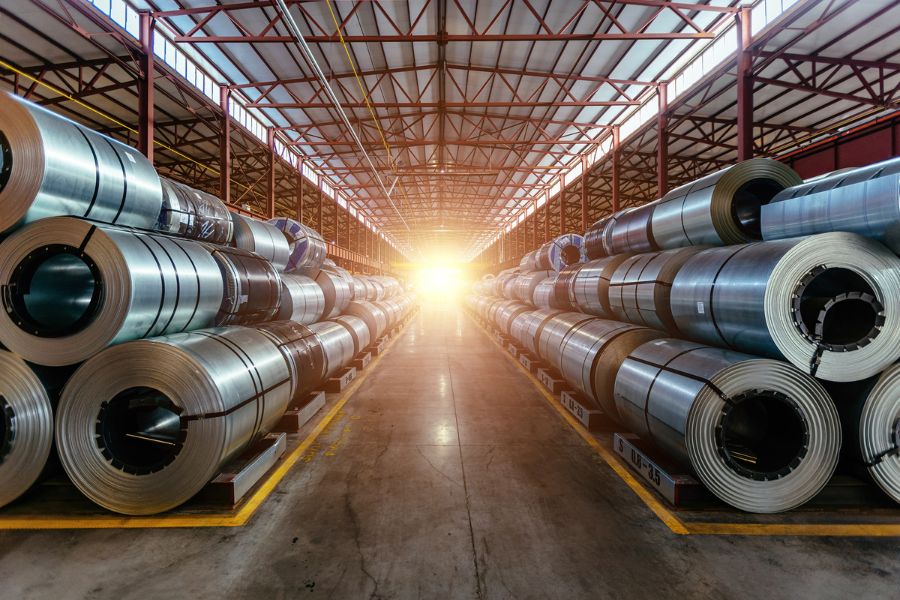
India’s Directorate General of Trade Remedies (DGTR) has proposed a 12% safeguard duty on select steel imports for three years, a measure designed to protect domestic steel producers from a surge in low-cost imports. Announced on August 17, 2025, this follows a provisional 12% duty imposed on April 21, 2025, targeting non-alloy and alloy steel flat products like hot-rolled coils, sheets, plates, and cold-rolled coils. As the proposal awaits approval from the Central Board of Indirect Taxes and Customs (CBIC), it has ignited a debate between domestic steel giants and downstream industries, particularly micro, small, and medium enterprises (MSMEs), over its potential impact on costs and competitiveness. The DGTR’s recommendation stems from a sharp rise in steel imports, which jumped from US$ 2.29 million tonnes in 2021-22 to US$ 6.61 million tonnes between October 2023 and September 2024. This influx, primarily from China, South Korea, Japan, and Vietnam, has been driven by global trade diversions, exacerbated by the United States’ 25% tariffs on steel imports. The DGTR notes that these imports have eroded market share, reduced profitability, and led to underutilized domestic production capacity, posing a serious threat to Indian steelmakers like JSW Steel, Tata Steel, and Steel Authority of India Limited (SAIL). Structure of the Proposed duty The safeguard duty is structured to decrease over time: 12% in the first year, 11.5% in the second, and 11% in the third. To lessen the impact on certain sectors, exemptions are included for imports priced above US$ 675 per metric tonne for hot-rolled products and US$ 964 per tonne for color-coated coils. Imports from developing countries, except China and Vietnam, are also exempt, as their share is below 3% of total imports. Specialty steels, such as tinplate and stainless steel, are excluded to avoid disrupting industries like electronics and automotive manufacturing. Domestic steel producers have welcomed the duty, with stock prices reflecting optimism. Following the provisional duty announcement in March 2025, SAIL’s shares surged by up to 5%, NMDC Steel by over 8%, Tata Steel by 2.52%, and JSW Steel by 1.35%. Analysts from JP Morgan and Crisil predict a price increase of Rs 1,500-2,000 per tonne, boosting earnings for local producers. ICRA estimates that the duty could halve steel imports in FY 2025-26, providing significant pricing support amidst low global prices driven by high inventories. Pushback from Downstream industries Despite the benefits for steelmakers, the duty has drawn criticism from MSMEs and user industries. The Global Trade Research Initiative (GTRI) argues that the import surge was predictable, not sudden, questioning the DGTR’s rationale. India’s steel demand in FY25 reached US$ 137.82 million tonnes, outpacing domestic production of US$ 132.89 million tonnes, highlighting the need for imports. Critics warn that the duty, combined with Quality Control Orders, could lead to price hikes and cartelization, reducing competitiveness for sectors like automotive, infrastructure, and renewable energy. The Engineering Export Promotion Council of India (EEPC) has urged measures like tariff rate quotas to support MSMEs. The safeguard duty aligns with global trends, as countries like the EU, Canada, and South Africa have imposed duties ranging from 25% to 50% to counter redirected steel exports. The U.S. tariffs, intensified in 2025, have particularly impacted India, with Chinese imports alone rising to US$ 2.3 million tonnes in FY24-25, a 6% year-on-year increase. However, the duty risks straining trade ties with Japan and South Korea, where 70-80% of steel imports benefit from free trade agreements. The stainless steel sector faces unique challenges, with the Indian Stainless Steel Development Association (ISSDA) seeking separate anti-dumping duties on imports from China, Vietnam, and Indonesia, which hit US$ 1.73 million tonnes in FY25. This reflects broader concerns about global oversupply and dumping, which threaten India’s domestic industry. Balancing Protectionism and Liberalization The safeguard duty supports India’s “Make in India” initiative but raises questions about its alignment with trade liberalization. Critics argue that higher steel prices could undermine downstream manufacturers, particularly MSMEs, which account for 60% of engineering goods exports. The government has opened a 30-day consultation period and plans an oral hearing to address these concerns. Steel Minister H.D. Kumaraswamy has emphasized finding a balanced solution to protect both producers and users. As India navigates this complex trade landscape, the safeguard duty’s final approval will be critical. While it promises to bolster domestic steelmakers, its impact on costs, competitiveness, and trade relations remains a point of contention. The finance ministry’s decision will shape whether this measure strengthens India’s steel industry or risks disrupting its broader industrial ecosystem.

Lid laminates 2.0: How innovation is redefining F&B branding
Lid laminates are undergoing a significant transformation, driven by evolving consumer needs, sustainability mandates, and branding innovation. This article aims to shed light on how these essential components in food and beverage packaging are being reimagined to deliver enhanced product protection, user convenience, and greater shelf appeal. As packaging plays an increasingly strategic role, lid laminates are emerging as a critical interface between brands and consumers. Technically, lid laminates are multi-layered films used to seal packaged goods and are engineered to offer robust barrier protection. Innovations such as metalized coatings, high-barrier plastics, and nanotechnology-infused films are now being employed to safeguard contents from moisture, oxygen, light, and contaminants. However, for optimal effectiveness, the lid must work in tandem with a compatible base container. If the container lacks similar protective capabilities, the overall integrity of the packaging can be compromised. This highlights the need for a systems-based approach to packaging design, especially for sensitive products like dairy, beverages, and ready-to-eat meals. What sets modern lid laminates apart is their ability to merge utility with sophistication. Easy-peel features ensure effortless opening, while resealable options using zip locks or adhesive strips provide extended usability and help reduce food waste. At the same time, these laminates are evolving into powerful branding platforms. Digital printing technologies now enable brands to showcase high-resolution graphics, vibrant colors, and even limited-edition designs. Elements such as embossing, holographic finishes, and QR codes are increasingly being integrated to offer interactive experiences, helping brands differentiate themselves and build deeper customer engagement. Consumers today value packaging that not only protects the product but also complements their on-the-go lifestyles. Features that maintain freshness, minimize waste, and enhance ease of use are no longer optional; they are expected. Reclosable lid laminates, for instance, allow users to store and reuse products without having to transfer contents to a separate container, making them ideal for busy households and single-serve formats. The global lid laminates market, valued at approximately US$ 2.5 billion in 2023, is projected to reach around US$ 4.6 billion by 2032, growing at a CAGR of 6.8%, according to a Dataintelo report. This growth is fueled by rising demand for sustainable packaging, technological advancements, and the push for improved user experience. Manufacturers are increasingly adopting AI-driven quality control, automated production systems, and sustainable sourcing to boost efficiency while minimizing environmental impact. As regulations tighten and consumers become more discerning, companies that invest in eco-friendly materials, high-performance barrier systems, and compelling design will be best positioned for long-term success. A balanced, holistic packaging strategy—one that considers the interplay between lids and containers, prioritizes functionality, and reflects brand values-will define the next generation of lid laminate innovation. This article is authored by Shailesh Sheth, Chairman & MD of Kris Flexipacks.
India’s auto parts exports poised for strong growth in global markets
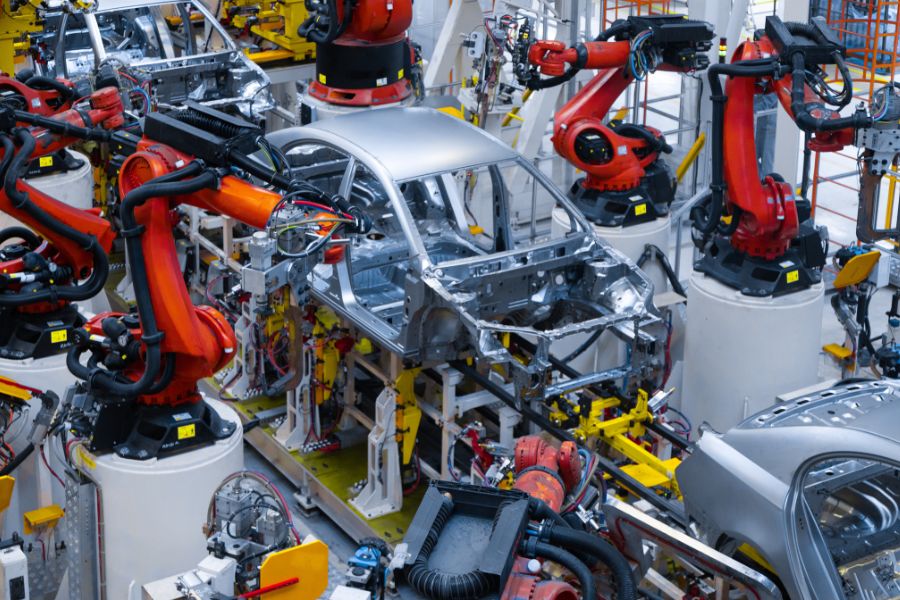
Indian auto component manufacturers are poised for significant export growth in the independent aftermarket (IAM), with major opportunities emerging in Brazil, Indonesia, Colombia, African regions, and the UAE. As per a recent report by EY-Parthenon, Brazil and Indonesia lead among mature markets due to large, ageing vehicle fleets, while Africa’s price-sensitive demand aligns with India’s cost advantage. The UAE serves as a key re-export hub to GCC and Africa. In India, growth is driven by electrification, e-commerce, advanced diagnostics, a growing and ageing vehicle parc, and a shift to organized workshops. The Indian automotive aftermarket valued at US$ 16.4 billion in 2024, is projected to reach US$ 35.5 billion by 2033, at 8.3% CAGR. Image Source: Freepik According to a recent report by EY-Parthenon, Indian auto component manufacturers have a substantial opportunity to grow exports, particularly in the independent aftermarket segment. The global auto component market presents strong growth potential for Indian suppliers, with promising prospects in Brazil, Indonesia, Colombia, and various African regions. The report categorises the opportunity into two market types: Mature markets with large consumption volumes Developing markets with strategic trade advantages Among mature markets, Indonesia stands out with a projected aftermarket size of US$ 7,759 million by 2028. Importers here value short lead times and flexible order quantities—requirements well-suited to Indian suppliers. Brazil also offers immense potential, driven by a high number of vehicles on the road and an ageing fleet, with an expected aftermarket size of US$ 12,091 million. Colombia, with a projected US$ 1,999 million aftermarket, is another attractive target, though success here will require organised supply chains through large distributors and wholesalers. Poland also features in this mature market category, with an aftermarket of US$ 4,769 million, though the immediate priority for Indian players lies in Brazil, Indonesia, and Colombia. Amongst the developing markets, Africa presents vast opportunities. The projected aftermarket sizes are: North Africa: US$ 3,415 million South Africa: US$ 3,685 million East Africa: US$ 521 million West Africa: US$ 596 million These regions typically prefer affordable parts over genuine ones, offering Indian manufacturers a competitive edge. North and South Africa, in particular, are seeing a rise in independent garages, further driving demand for aftermarket components. Customers in East and West Africa are highly price-sensitive, often opting for parts up to 50% cheaper than Chinese alternatives. The UAE, with an aftermarket size of US$ 888 million, plays a strategic role as a trade gateway to Gulf Cooperation Council (GCC) nations and African markets. Its logistical advantages and faster turnaround times make it an essential hub for Indian exporters targeting the region. As per the report, Indian auto component exporters can harness these opportunities to penetrate high-growth markets, utilise their cost advantages, and expand their global reach, with Brazil, Indonesia, Colombia, and Africa as key focus areas. About independent aftermarket (IAM) The independent aftermarket (IAM) covers vehicle parts, accessories, and services supplied outside the control of the vehicle’s original equipment manufacturers (OEMs). While OEM parts are produced by the automaker itself, IAM products are manufactured by third parties and sold through independent distributors, retailers, and service providers. Key characteristics of the IAM include: After a vehicle’s warranty expires, many owners opt for IAM suppliers to reduce maintenance costs. IAM channels offer multiple brand options for the same component, unlike the single-brand approach of OEMs. IAM products are generally more affordable than OEM equivalents. Third-party manufacturers operate extensive distribution networks, including spare parts shops, mechanic workshops, and online marketplaces. Trends in Indian automotive aftermarket The Indian automotive aftermarket is evolving rapidly, shaped by multiple transformative trends. Electrification is reshaping demand as EVs are projected to make up 10–15% of vehicle sales by 2030, reducing the need for traditional components such as spark plugs, radiators, and fuel injectors, while creating growth areas in battery packs, inverters, and thermal management systems. Digitization and e-commerce are revolutionizing accessibility, with both B2C and B2B platforms like Spareshub, Automovill, and boodmo B2B streamlining procurement and supply chains; online spare parts sales grew by 40% last year due to greater convenience and reach. The increasing sophistication of vehicles, with more sensors and complex ECUs, is driving demand for advanced diagnostic tools and skilled technicians capable of interpreting data and performing precision repairs. Meanwhile, the Indian vehicle parc is expected to exceed 32 crore by 2025, with an average age of 7–8 years, boosting demand for maintenance parts and repairs, while the rising popularity of SUVs and compact cars creates segment-specific part requirements. A clear shift is also underway from unorganized to organized workshops and service networks, fuelled by consumer expectations for quality, transparency, and standardized service; the organized aftermarket is forecast to grow at 8–10% CAGR by 2027, aided by technician upskilling initiatives such as EXPRO’s FOFO franchise model and training programs. Growing awareness about the importance of genuine parts is increasing demand for authorized distributors and trusted brands, countering counterfeit risks. Additionally, greater penetration of insurance and warranty services is streamlining the repair process, promoting planned maintenance, and ensuring a steady flow of part replacements, with a rising share of repairs now processed cashlessly. Together, these trends are reshaping the aftermarket landscape, creating both challenges and significant growth opportunities for industry players. In 2024, India’s auto parts aftermarket stood at US$ 16.4 billion, and IMARC Group forecasts it will expand to US$ 35.5 billion by 2033, reflecting a CAGR of 8.3% over 2025–2033. Conclusion India’s auto component industry is well-positioned to leverage its cost advantages, manufacturing capabilities, and strategic access to emerging markets to expand in the global independent aftermarket. With strong demand in Brazil, Indonesia, Colombia, African regions, and the UAE, coupled with domestic aftermarket growth driven by a rising vehicle parc, organized service networks, and digitization, the sector holds immense potential. By aligning with evolving trends and market needs, Indian exporters can secure a stronger global footprint and sustainable long-term growth.
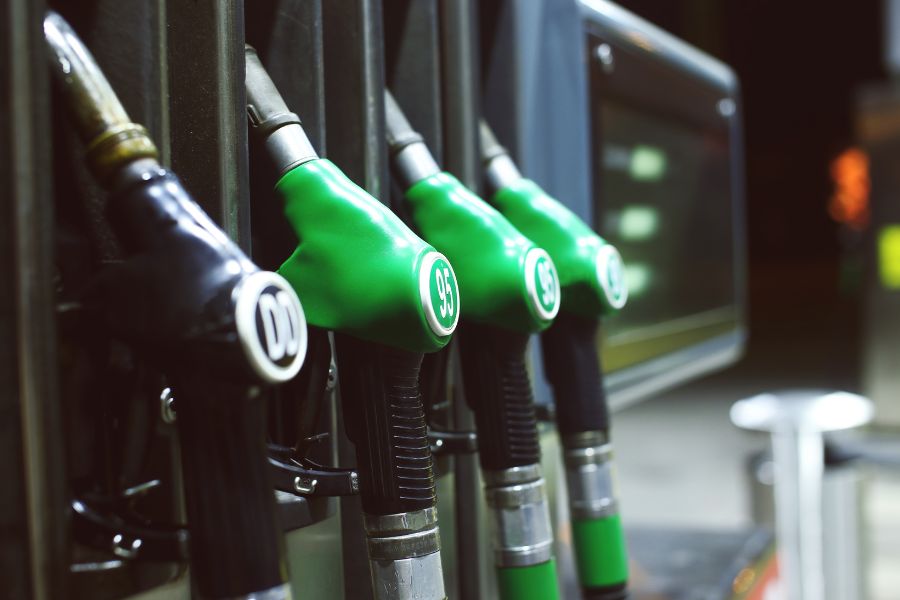
India eyes biofuel future with first SAF from Panipat refinery
Indian Oil Corporation’s Panipat refinery has produced its first batch of Sustainable Aviation Fuel (SAF) from ethanol, marking a key milestone in India’s clean energy transition. With government mandates and global demand for low-carbon fuels rising, India is positioned to emerge as a major SAF producer. Image Source: Freepik In a milestone for India’s green energy ambitions, Indian Oil Corporation’s (IOC) Panipat refinery has become the first in the country to receive certification to produce Sustainable Aviation Fuel (SAF). This achievement marks a crucial step in decarbonising India’s aviation sector, which is under growing pressure to reduce emissions in line with global climate commitments. SAF, a cleaner alternative to conventional jet fuel, can significantly cut lifecycle carbon emissions and help airlines transition to greener operations. The certification allows the Panipat refinery to begin producing SAF through processes that meet rigorous international sustainability standards. This move aligns with India’s broader strategy to promote biofuels, expand renewable energy use, and support the country’s pledge to achieve net-zero emissions by 2070. The role of feedstock in SAF production According to a Deloitte’s report, India’s estimated surplus of 230 million tonnes of agricultural residue will be a crucial resource for producing SAF. This surplus can be used as feedstock for second-generation ethanol production, a key input for the Alcohol-to-Jet (AtJ) technology pathway—one of the most promising routes for SAF manufacturing. The AtJ process with first-generation ethanol, derived from sugar and grain, can provide an initial boost until the technology fully matures. In parallel, Municipal Solid Waste (MSW) and used cooking oil (UCO) are set to contribute to the overall potential, creating a diverse and resilient supply chain. Looking ahead, alternative feedstocks such as sweet sorghum, seaweed, and certain types of industrial waste could further strengthen India’s SAF potential as technologies advance. India’s aviation industry is one of the fastest-growing in the world, making the decarbonisation of air travel both an environmental necessity and a strategic opportunity. SAF can reduce greenhouse gas emissions by up to 80% compared to conventional fossil-based jet fuel, depending on the feedstock and production process. For airlines, integrating SAF into operations can also improve compliance with emerging international emissions regulations, such as CORSIA (Carbon Offsetting and Reduction Scheme for International Aviation). With the Panipat refinery’s SAF capability, India now joins a select group of countries with domestic SAF production infrastructure, potentially lowering dependence on costly imports and helping stabilise prices in the long term. Policy push and industry outlook The Indian government has been actively promoting the biofuels sector through initiatives like the National Bioenergy Mission and updated ethanol blending targets. Industry experts note that SAF adoption will require coordinated efforts across policy, technology, and market development. Incentives, infrastructure investments, and partnerships between refiners, airlines, and technology providers will be critical to scale up production and bring costs down. Currently, SAF is more expensive than conventional jet fuel, but economies of scale, advances in feedstock processing, and supportive policy measures could make it increasingly competitive. With India’s abundant biomass resources and expanding refining capabilities, the country is well-placed to emerge as a regional hub for SAF production in Asia. The Panipat refinery’s certification is expected to inspire similar upgrades across other refining facilities in India. Scaling up SAF production will not only support the aviation industry’s climate goals but also generate rural income through biomass collection and processing, reduce air pollution from stubble burning, and create high-skilled jobs in bioenergy technology. The combination of agricultural residue, waste streams, and innovative feedstocks presents India with a unique advantage. Leveraging these resources efficiently could help the nation meet domestic demand and potentially export SAF to neighbouring markets in the future.