Artificial Intelligence is emerging as one of the most powerful drivers of economic transformation worldwide, and India is no exception. A new report by NITI Aayog suggests that with the right adoption, AI could significantly accelerate India’s growth trajectory and help realise the Viksit Bharat vision over the next decade. Artificial Intelligence is no longer a far-off promise. Around the world, it is already reshaping industries, creating new business models, and setting the pace for economic growth. For India, it could become the defining lever that helps the country achieve its Viksit Bharat vision of becoming a developed nation by 2047. A new report by NITI Aayog, AI for Viksit Bharat: The Opportunity for Accelerated Economic Growth, suggests that the stakes are huge. With rapid adoption, AI could add between US$ 1 and US$ 1.7 trillion to India’s economy by 2035, pushing GDP to around US$ 8.3 trillion. Without this push, growth is likely to stay on its current path of 5.7% annually, which would leave GDP closer to US$ 6.6 trillion. BVR Subrahmanyam, CEO of NITI Aayog, stressed in his foreword that India has no option but to raise productivity and unlock new avenues of growth, and AI may be the single most decisive lever. Engines of AI-led growth According to the study, AI will fuel the economy through three powerful channels. First, mainstream adoption across industries such as banking, finance, and manufacturing could sharply improve efficiency and productivity. Second, the use of generative AI in research and development could transform areas like pharmaceuticals, automobiles, and digital design. Third, India’s own technology services sector could reinvent itself for higher-value opportunities, moving beyond traditional IT outsourcing and into new AI-driven business models. Together, these shifts could deliver the US$ 1.4–1.7 trillion upside identified by the report. Some of the biggest gains are expected in sectors that touch everyday life. In financial services, AI could power advanced fraud detection, smarter credit scoring, and personalised products, unlocking as much as US$ 55 billion in value. In manufacturing, technologies like predictive maintenance and real-time quality checks could add US$ 85–100 billion. Pharmaceuticals may see the steepest disruption, with AI reducing drug discovery timelines by up to 80% and cutting costs by nearly a third. Even the automotive industry is set for transformation, as AI aids in designing smarter components and enabling software-driven vehicles, which could strengthen India’s exports while reducing dependence on imports. Building an ecosystem for innovation Industry leaders say India cannot afford to lag behind. Debjani Ghosh, a distinguished fellow at NITI Aayog and one of the architects of the Frontier Tech Hub, observed that countries which secure critical technologies early often set the tone for the future. To encourage innovation at scale, NITI Aayog is preparing to launch a Frontier Tech Challenge, which will fund the top 50 cutting-edge ideas. Subrahmanyam has also called on states to integrate frontier technologies into governance, ensuring they deliver tangible benefits and not just policies on paper. Despite the optimism, the report does not underplay the hurdles. Legacy IT systems, a shortage of skilled AI talent, weak infrastructure, and unresolved regulatory and data privacy concerns could all slow progress. To counter this, the report urges urgent investment in computing capacity, sovereign data platforms, workforce reskilling, and ethical frameworks that ensure AI’s benefits are widely shared. India’s growth story over the next decade will be defined not just by traditional levers like capital and labour, but by how effectively it can harness technology. AI is no longer about futuristic experiments; it is about real-world productivity, innovation, and transformation. If India can combine rapid adoption with responsible deployment, it could not only sustain high growth but also take a leadership position in the global AI economy. FAQs 1. How much can AI contribute to India’s GDP by 2035? According to NITI Aayog’s recent report, Artificial Intelligence could add between $1–1.7 trillion to India’s economy by 2035. With accelerated adoption, India’s GDP could touch $8.3 trillion, compared to $6.6 trillion under the current growth path. 2. Which sectors in India will benefit the most from AI adoption? Key sectors expected to see major gains include: Banking & Finance – fraud detection, credit scoring, personalized services (worth $50–55 billion). Manufacturing – predictive maintenance, smart factories, real-time quality control ($85–100 billion). Pharma – AI-driven drug discovery, cutting costs by 30% and timelines by up to 80%. Automotive – AI-powered vehicle design and exports boost. 3. What role will AI play in achieving the Viksit Bharat vision? India aims for 8%+ sustained growth under its Viksit Bharat vision. AI can act as the “decisive lever” by raising productivity, fueling innovation, and pushing Indian IT into high-value services. Without AI, India risks staying on a slower 5.7% growth track. 4. What are the main challenges India faces in scaling AI? The report highlights hurdles like: outdated IT systems, lack of AI-ready infrastructure, shortage of skilled talent, data privacy issues, and regulatory gaps. Addressing these challenges through investment in compute power, skilling, and ethical AI frameworks is crucial. 5. How can Indian businesses leverage AI for growth and innovation? Businesses can adopt AI to boost efficiency, cut costs, and create new products. From automating processes in manufacturing to offering personalized customer experiences in banking, AI is opening up new revenue streams. Startups and IT firms can also move into high-value services like generative AI and frontier tech, attracting global investments.


From heritage to haute cuisine: The rise of India’s new gourmet culture
India’s culinary story is being rewritten, moving far beyond the familiar curries and tandoori classics that once defined its global image. Today, a gourmet revolution is unfolding led by visionary chefs, curious diners, and unprecedented access to global ingredients. Luxury imports like caviar sit alongside rediscovered regional traditions, artisanal cheeses, and heirloom grains, creating a food culture that is at once modern, sustainable, and deeply rooted in heritage. This awakening is not just about taste—it is about storytelling, craft, and the experience of food itself, signaling a bold new chapter in India’s gastronomic journey. For decades, the global culinary narrative of India was largely confined to the rich, aromatic curries and tandoori staples that defined its diaspora. While undeniably delicious and deeply rooted in culture, this perception barely scratched the surface of a nation with thousands of years of diverse gastronomic traditions. Today, India is no longer just exporting its culinary identity; it is redefining it from within. A vibrant and sophisticated gourmet food scene has emerged, driven by a new generation of chefs, an adventurous palate among consumers, and an unprecedented access to global ingredients and ideas. This is not a fleeting trend but a fundamental transformation—a gourmet awakening that is reshaping what it means to eat well in India. The story begins with a historical context. For much of its modern history, India’s food was shaped by a combination of necessity and tradition. Regional and home cooking, deeply influenced by climate and local produce, dominated. Fine dining existed, but it was largely insular, catering to a small elite or offering stylized, often British-influenced versions of Indian classics. The true catalyst for change arrived with the economic liberalization of the 1990s. As multinational corporations entered the country, so too did a new wave of global exposure. This set the stage for a slow but steady evolution that has accelerated exponentially in the last decade, fueled by the explosive growth of the internet, travel, and social media. The chef as the new culinary vanguard India’s food culture has leapt out of the kitchen and into mainstream business. Television and travel shows in the early 2000s sowed the seeds for this change. When icons like Sanjeev Kapoor and Anthony Bourdain ventured beyond restaurant kitchens—into street stalls and remote eateries—they turned food into a cultural journey and sparked a national appetite for exploration. Travel shows in the 2000s first turned food into a cultural lens, with chefs guiding viewers through markets and street stalls. Social media then took it further — reels of sizzling dosas or street-side kebabs made global food traditions instantly accessible. Chefs like Gaggan Anand and Manish Mehrotra transformed this attention into economic power, making Indian cuisine modern and global without losing authenticity. Their influence has fueled a dining boom. The country’s food services industry is projected to hit ₹7.76 lakh crore by 2028, with online delivery alone growing 18% CAGR to capture a fifth of the market by 2030. For today’s diners, it’s not just about what’s on the plate – it’s the story, the craft, the experience. And for businesses, that shift is an opportunity: innovation, authenticity, and cultural storytelling are now at the heart of India’s fast-expanding food economy. From global imports to local artisans: The ingredient revolution A gourmet scene is only as good as its ingredients, and here, India has undergone a big change. The airdrop of exotic ingredients, once a distant dream for chefs, is now a commercial reality. Where there were once only a handful of suppliers for items like Parmigiano-Reggiano or sun-dried tomatoes, there are now specialized companies that can source everything from Japanese-grade Wagyu beef to French truffles and fresh Nordic salmon. The demand for high-end seafood, in particular, has seen explosive growth. The Indian seafood market, a traditional bastion of local fish, is now seeing a dramatic shift towards premium protein. According to market data, the sector is projected to nearly double from US$ 12.2 billion in 2024 to an estimated US$ 25.2 billion by 2033. This growth is being driven by the availability of high-end imports like Norwegian salmon, a favorite of health-conscious and affluent consumers, and tuna, which is a staple in the burgeoning sushi market. Another prime example is the growing presence of caviar in India’s fine dining circuit. Traditionally harvested from sturgeon in the Caspian and Black Seas, caviar has long been considered the pinnacle of luxury. Different varieties—Beluga with its buttery richness, nutty Osetra, or the bold Sevruga—are making their way to Indian tables. According to Chef Shailendra Singh, Corporate Chef at Pride Hotels, “For me, having served caviar globally, it’s a symbol of pure indulgence and a testament to how far the Indian palate has evolved.” Singh emphasizes that the true experience of caviar lies not only in taste but in presentation: served chilled on crushed ice, paired with blinis and crème fraîche, and savored with a mother-of-pearl spoon alongside champagne or vodka. The ritual elevates the indulgence into an art form. Singh notes that “serving caviar elegantly can enhance the experience,” and in his view, its growing presence in India underscores a shift in consumer sophistication. At the same time, sustainability has become central to the conversation. Historically, caviar production required killing the sturgeon, a practice that has led to many species being classified as endangered. Today, forward-looking producers are developing methods to extract roe without harming the fish. For Indian chefs and diners alike, this represents the balance between indulgence and responsibility—luxury that does not come at the cost of the environment. This marriage of global sophistication and ethical awareness reflects how India’s gourmet culture is maturing: not merely imitating the West but reinterpreting luxury with a conscious lens. This availability of global ingredients has gone hand-in-hand with a renewed appreciation for local, artisanal products. Just as the global dining scene is embracing farm-to-table, Indian chefs and consumers are rediscovering their own backyard. Artisanal burrata cheese, once a rarity, is now being produced by local dairies in cities like Mumbai
India’s auto components industry to reach US$ 200 billion by 2030
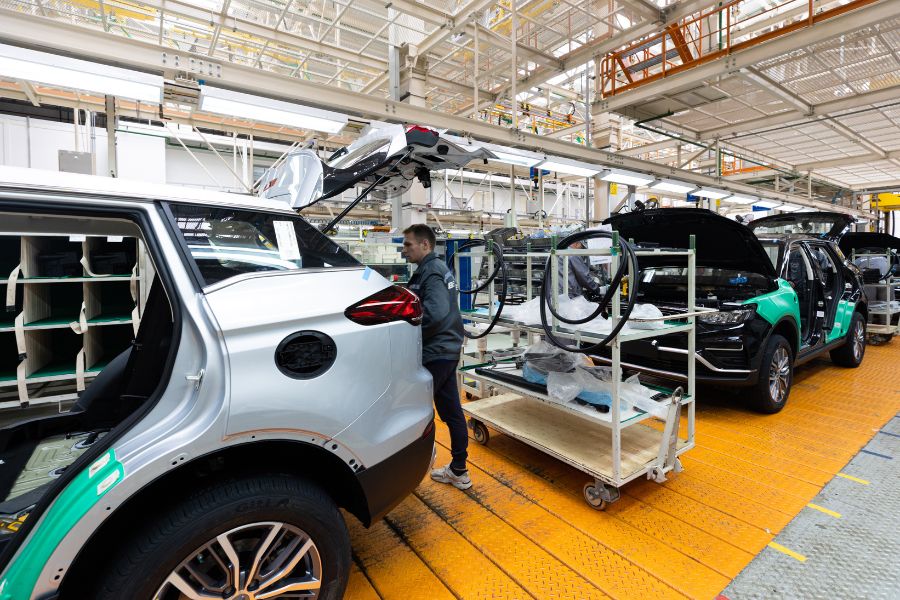
India’s auto component industry is emerging as a global contender, supported by cost competitiveness, skilled labor, and a growing domestic market. According to a McKinsey report, the sector is projected to reach US$ 200 billion by 2030, with exports expected at US$ 70–100 billion. Growth is fueled by rising domestic demand, increased vehicle penetration, and adoption of new technologies, alongside expanding electric vehicle (EV) and internal combustion engine (ICE) markets. Companies are also enhancing supply chain resilience through increased local production, diversified sourcing, and strategic shifts to low-risk, cost-efficient regions. With rapidly shifting global trade dynamics, India is emerging as a pivotal player in the auto component sector, supported by its cost advantage, skilled workforce, and expanding domestic market. A McKinsey report, “Shaping the Future of India’s Auto Component Industry amid Global Trade Shifts,” projects that the industry could touch the US$ 200 billion mark by 2030. The report notes that geopolitical and structural shifts are reshaping global trade, with US$ 12–14 trillion worth of trade expected to shift across trade corridors by 2035. Despite the disruptions, total trade is forecast to rise from US$ 33 trillion in 2024 to between US$42 trillion and US$ 45 trillion by 2035. Market outlook and growth drivers The Indian auto component industry has sustained a compound annual growth rate (CAGR) of nearly 10% over the last five years, fueled by domestic demand and expanding export opportunities. As per the report, with rising domestic and export demand, the industry is on track to reach US$ 200 billion by 2030. The McKinsey projects domestic sales to grow 7–8% annually through FY30, driven by rising vehicle penetration, greater parts usage per vehicle, and adoption of new technologies. On the export front, India’s auto component value is expected to reach US$ 70–100 billion by FY30. Two primary growth drivers stand out. The first is a US$ 20–30 billion export opportunity in internal combustion engine (ICE) components as global sourcing consolidates. The second is the rapid expansion of India’s electric vehicle (EV) segment, expected to grow at a 35% CAGR in line with the worldwide push toward electrification and connectivity. Together, these trends are expected to accelerate India’s integration into global supply chains. Supply chain diversification and strategic shifts The report notes that supply chain disruptions, including pandemic lockdowns, energy crises, and logistical hurdles, have prompted companies to accelerate diversification. In an uncertain landscape, companies are increasingly pursuing supply chain diversification strategies to build resilience. This involves three key approaches: boosting local production, expanding manufacturing facilities, and multi-sourcing & supplier diversification. Businesses are enhancing in-country manufacturing to minimize dependence on imported components. Indian Tier-I suppliers, for example, are partnering with the leading US rare earth producer to strengthen in-country manufacturing capacity. Globally, firms are relocating production capacity to regions that offer lower risk or greater cost efficiency. For instance, German component manufacturers are setting up facilities in Mexico, while Chinese battery makers are expanding into Southeast Asia. In addition, firms are moving away from single-source vendors and adopting a more diversified supplier base. For instance, a major Japanese battery producer is phasing out China-sourced materials in its products. A number of US and Japanese automakers have notably boosted component procurement from non-Chinese suppliers. Future outlook India’s auto component industry surpassed US$ 80 billion (around ₹7,06,246 crore) in FY25, with exports reaching US$ 23 billion (about ₹2,03,045 crore). The initiatives like the PLI scheme have already attracted over ₹29,500 crore in investments and created more than 45,000 jobs, while the PM-eDRIVE programme is set to accelerate India’s shift to electric mobility across two-wheelers, buses, and trucks. The government envisions positioning India as a global hub for smart, sustainable, and affordable mobility by 2030, powered by clean fuels and advanced technologies. Ongoing FTA talks with the EU are expected to open new avenues for growth, complemented by continued support measures like reducing GST on auto parts to 18%. Industry leaders agree that India has the potential not merely to participate but to take a leading role in the global auto supply chain. Conclusion With strong domestic demand, rising exports, and supportive government initiatives like PLI and PM-eDRIVE, India’s auto component industry is poised for transformative growth. By enhancing supply chain resilience and leveraging its cost and talent advantages, the country is not only set to strengthen its global presence but also emerge as a leader in the evolving global auto supply chain. Read more Auto components sector to achieve 7–9% growth in FY26 EV shift reshapes auto components industry FAQ Q1: What is the current size of India’s auto component industry? A: India’s auto component industry surpassed US$ 80 billion (around ₹7,06,246 crore) in FY25, with exports reaching US$ 23 billion (about ₹2,03,045 crore). Q2: What is the projected size of the industry by 2030? A: According to a McKinsey report, the industry is expected to reach US$ 200 billion by 2030, with exports estimated at US$ 70–100 billion. Q3: What are the key drivers of growth in India’s auto component sector? A: Growth is fueled by rising domestic demand, higher vehicle penetration, adoption of advanced technologies, expansion of electric vehicle (EV) and internal combustion engine (ICE) markets, and favorable government initiatives like PLI and PM-eDRIVE. Q4: How is India strengthening its auto supply chain? A: Companies are enhancing resilience through local production, multi-sourcing, expanding manufacturing facilities, reducing dependence on imports, and strategically relocating production to low-risk, cost-effective regions. Q5: What are the main challenges for the industry? A: Challenges include global supply chain disruptions, geopolitical uncertainties, energy shocks, and the need for diversification in sourcing and production.

Deepwater exploration and bamboo biofuel: India’s path to self-reliance
India has set its sights on energy self-reliance with a two-pronged strategy — launching the National Deepwater Exploration Mission to unlock offshore oil and gas reserves, and inaugurating the country’s first bamboo-based bioethanol plant in Assam. Together, these initiatives underline Prime Minister Narendra Modi’s vision of reducing import dependence while building a cleaner, more sustainable energy future. Prime Minister Narendra Modi has unveiled a sweeping push for India’s energy independence, launching the National Deepwater Exploration Mission to tap offshore oil and gas reserves while inaugurating the country’s first bamboo-based bioethanol plant in Assam. Together, the initiatives reflect a dual strategy: harnessing ocean wealth and promoting green fuels to cut import dependence, support farmers, and build a more sustainable energy future. What is the National Deepwater Exploration Mission? The National Deepwater Exploration Mission, described by Modi as Samudra Manthan, is designed to accelerate the search for oil and gas reserves hidden beneath India’s seas. It will focus on deep offshore areas such as the Andaman and Nicobar region, the Bay of Bengal, and the Kerala–Konkan basin. To achieve this, the mission will deploy advanced technologies including the MATSYA-6000 manned submersible, autonomous underwater drones, and state-of-the-art ocean mapping vessels. Recent developments highlight the seriousness of this initiative. India has already completed a 3D seismic survey over more than 1,000 square kilometres in the Kerala–Konkan basin, with several offshore blocks cleared for exploration drilling. The MATSYA-6000 submersible, capable of reaching depths of 6,000 metres, has successfully undergone integration and harbour trials, marking a milestone for indigenous ocean technology. The government is also planning to establish a dedicated corpus fund to support ultra-deepwater and frontier oil exploration, ensuring financial muscle for the mission. While the potential rewards are significant—reduced import dependence and greater energy security—the challenges are equally daunting. Deep-sea exploration is technologically complex, extremely costly, and fraught with environmental sensitivities. The government has emphasized that operations, especially in fragile areas such as the Andaman Sea, will proceed with caution to safeguard marine ecosystems. Assam’s bioethanol plant Complementing the offshore exploration push, Modi inaugurated India’s first bamboo-based second-generation bioethanol plant at Numaligarh Refinery Limited (NRL) in Assam’s Golaghat district. Built at a cost of nearly ₹5,000 crore, this flagship facility represents a breakthrough in renewable energy. It will convert around 500,000 tonnes of bamboo annually into ethanol, creating a reliable market for farmers and tribal communities in the Northeast and generating stable rural incomes. The plant goes beyond ethanol production. It is engineered to produce high-value co-products such as furfural and acetic acid, while also generating about 25 MW of green electricity from biomass. Modi highlighted that bamboo, once restricted by outdated policies that prevented its commercial use, has now become a driver of economic opportunity. To strengthen supply chains, the government is encouraging bamboo cultivation and the establishment of local chipping units. In the same visit, the Prime Minister laid the foundation stone for a modern polypropylene plant at NRL, an investment of over ₹7,000 crore. Polypropylene is a versatile material used in textiles, packaging, automotive components, and medical equipment. By anchoring such a facility in Assam, the government seeks to boost local manufacturing, create jobs, and advance both the “Make in Assam” and “Make in India” campaigns. Taken together, the ethanol and polypropylene plants form part of a larger package of ₹18,000 crore worth of projects in Assam, which also include healthcare and connectivity infrastructure. Towards energy independence India currently imports nearly 90% of its crude oil, creating a heavy burden on foreign exchange and exposing the economy to global price shocks. The combination of deepwater exploration and bamboo-based bioethanol reflects a deliberate twin-track strategy: securing new domestic fossil fuel reserves while simultaneously scaling up clean, renewable alternatives. This approach also balances national priorities. On one hand, deepwater exploration promises long-term gains in hydrocarbon security; on the other, biofuels and polypropylene offer immediate opportunities for rural development, industrial diversification, and sustainable growth. However, both initiatives carry responsibilities—deep-sea drilling must safeguard fragile marine habitats, while large-scale bamboo use must avoid overexploitation of natural forests. FAQs 1. What is the National Deepwater Exploration Mission (Samudra Manthan)?It is India’s mission to explore deep offshore oil and gas reserves in regions like the Bay of Bengal, Andaman Sea, and Kerala–Konkan basin, using tools like the MATSYA-6000 submersible and underwater drones. 2. How will the Assam bamboo-based bioethanol plant help?The ₹5,000-crore plant will convert 500,000 tonnes of bamboo into ethanol annually, create rural jobs, and provide farmers with steady income while producing green fuels and electricity. 3. What is the role of MATSYA-6000?MATSYA-6000 is India’s first manned submersible, capable of diving 6,000 metres to study the ocean floor and support deep-sea exploration. 4. Are there environmental concerns with deepwater exploration?Yes. Exploration risks disturbing marine ecosystems, especially near the Andamans. The government has promised strict safeguards and impact assessments. 5. What is the significance of the polypropylene plant in Assam?The ₹7,000-crore plant will make polypropylene for packaging, textiles, and auto parts, boosting local industry and “Make in Assam” initiatives.

GST cut on textiles boosts MSMEs, premium fashion takes a hit
India’s textile sector is set for a major reset as the 56th GST Council Meeting, held on 3 September 2025, unveiled sweeping reforms under the government’s Next-Generation GST framework. Effective from 22 September 2025, these changes promise to simplify tax structures, cut costs, and stimulate demand across the textile value chain—from artisans and MSMEs to exporters and global brands. While reduced GST on mass-market garments, fibres, and handicrafts has been welcomed as a game-changer, concerns remain over the higher tax burden on premium apparel. India’s textile industry has greeted the outcomes of the 56th Meeting of the GST Council, held in New Delhi on 3 September 2025, with optimism. The Council’s recommendations—part of the government’s widely publicized “Next-Generation GST Reforms”—are intended to simplify tax slabs, reduce costs for manufacturers, and stimulate domestic demand, especially in fashion and handicrafts. These reforms will be effective from 22 September 2025 Key changes for textiles & apparel Readymade Garments & Made-Ups: Goods priced at ₹2,500 or less per piece will be taxed at 5%, up from the previous ceiling of ₹1,000. For items priced above ₹2,500, GST rises to 18%, marking a jump from the earlier 12% slab. This change impacts stitched garments, lehengas, and other premium fashion wear. Man-Made Fibres (MMF) & Yarns: GST rates on MMF fibres have dropped from 18% to 5%, and on MMF yarns from 12% to 5%. These adjustments are meant to correct the inverted duty structure that long plagued synthetic textile manufacturers, especially smaller enterprises. Carpets, Handloom, Handicrafts & Sewing Machines: Carved goods such as carpets and various floor coverings (HS codes 5701–5705) will now attract 5% GST instead of 12%. Handicrafts and handwoven carpets (under HS 5705) now taxed at 5%, a move expected to benefit traditional artisans. Sewing machines (both industrial and domestic, HS 8452) will also see the rate reduced to 5%, supporting tailoring units and local manufacturing. Sudhir Sekhri, Chairman at Apparel Export Promotion Council (AEPC) shared his views with us stating: “We welcome the Government’s latest GST reforms. These GST reforms marks a big step in making India as a developed economy. These measures are progressive and forward looking as it will ease compliance, improve liquidity for exporters, and strengthen India’s textile & apparel value chain. Apparel industry hails it as a decisive steps towards boosting Make in India & enhancing export competitiveness. AEPC thanks the visionary leadership of Hon’ble Prime Minister, Shri Narendra Modi, for supporting the apparel and textile industry with simplified, industry-friendly measures.” Complementary reforms & mechanisms To make the rate cuts effective, the GST Council has also issued several facilitation measures: Simplified refund processes, especially for inverted duty structure and zero-rated supplies, using system-driven risk evaluation. Removal of the ₹1,000 threshold for small consignments via courier/post, easing compliance for small businesses and online sellers. A Simplified Registration Scheme for low-risk and small suppliers, especially those supplying through electronic commerce operators. Balancing heritage & market ambition These reforms align with India’s 5F formula—from “Farm-to-Fibre-to-Factory-to-Fashion-to-Foreign”—which aims to transform the country into a global textile powerhouse. The rate cuts for MMF, carpets, handicrafts, and yarns are expected to support India’s rural artisan ecosystem while reducing production costs and boosting exports. But the tax hike for higher-priced ready-made garments has raised concerns over affordability, especially for clothing items like lehengas or festive wear which often combine fabric cost, handwork, and embellishments. The government has noted that the higher rates apply only to “premium” apparel, where pricing exceeds ₹2,500, keeping most everyday garments in the lower bracket. Shobhit Bhushan, Managing Director at Fluidic Fashion Pvt Ltd welcomed the new GST reform stating – “The reduction of GST to 5% from 18% is a transformative step for the textile sector. It will significantly cut production costs, easing input and raw material expenses while improving profit margins and competitiveness. By making apparel up to ₹2,500 more affordable, it will also spur domestic demand, especially in the mass-market segment. For MSMEs, which form the backbone of our industry, the simplified structure reduces compliance hurdles and improves cash flows. On the global front, lower GST strengthens India’s export competitiveness, helping us move closer to the government’s vision of a $350 billion textile economy by 2030. However, the increase to 18% GST on garments above ₹2,500 could push prices upward in the premium category, raising concerns about affordability in this space.” A Snapshot: What to Watch, How It Affects Key Stakeholders Stakeholder Benefit Expected Likely Challenge Artisans & Weavers Relief from 12% tax; better market for carpets and crafts Must comply with HS code classification; benefit realization depends on supply chain transparency MMF / Synthetic Fabric Producers Cheaper input costs; aligned duty structure Global raw material prices may still drive overall costs Small Garment Makers Lower taxes on garments ≤₹2,500; bigger market outside major cities Higher taxes on premium garments; risk of undervaluation or classification issues Consumers Lower cost for most apparel and traditional textiles; price drops expected post-implementation Higher prices for “luxury” clothing; price signals need clarity The GST changes approved in September 2025 are, by many accounts, a landmark in reforming India’s taxation of textiles. They promise cost savings, rationalization of slabs, and stronger support for grassroots manufacturing and craft traditions. However, the increased tax on garments above ₹2,500 will require careful handling to avoid hurting the middle-class consumer and the premium fashion market. As these rules go into effect on 22 September 2025, vigilance will be key—businesses need to correctly classify goods under HS codes, update billing systems, and ensure that tax savings are passed on to consumers. The government has put in place complementary measures to ease the transition; now it’s up to stakeholders to make them count. Read more: GST overhaul 2025: Impact on fashion & textiles FAQs What are the new GST rates for textiles and garments under GST Reforms 2025?From 22 September 2025, garments priced up to ₹2,500 attract 5% GST, while apparel above ₹2,500 is taxed at 18%. GST on man-made fibres has been reduced from 18% to 5%,

India unveils ₹38,900 crore carbon capture programme to drive net-zero goals
India is set to launch a ₹38,900 crore carbon capture, utilisation and storage (CCUS) programme, with the government contributing around ₹19,500 crore and the remainder expected from banks and multilateral agencies. The six-year, phased initiative will support R&D, semi-commercial, and lab-scale projects across established industries such as steel, cement, iron, chemicals, and emerging sectors like coal gasification and green hydrogen. With coal power capacity projected to reach 97 GW by 2032, CCUS is crucial for reducing industrial emissions, supporting geological sequestration, and helping India achieve its targets of halving emissions by 2050 and reaching net zero by 2070. The Centre is formulating a carbon capture, utilisation and storage (CCUS) programme with an estimated investment of ₹38,900 crore, according to people familiar with the plan. The government is expected to contribute a little over half of this, amounting to around ₹19,500 crore, while the remainder could be financed through bank lending and support from multilateral agencies. The initiative will include several sub-schemes with varying levels of government support. Research and development projects may receive 100% government funding, while others could be backed in the range of 40–50%. The ‘Semi-commercial’ projects may receive full government funding, while ‘lab-scale’ projects are expected to be supported with only a partial share of their total cost, the sources said. CCUS technology is designed to capture carbon dioxide emissions from large industrial and energy-intensive sources such as power plants, cement, and steel production. The proposed programme will be implemented in phases, with the first phase expected to run for six years. It aims to support both established sectors like iron, chemicals, and petrochemicals, as well as emerging ‘sunrise’ industries such as coal gasification and green hydrogen. Though CCUS is currently viewed as an expensive technology, industry experts believe that costs could decline significantly once adoption scales up. Balancing coal dependence with climate goals Coal-based power plants are expected to remain a cornerstone of India’s energy sector, with 97 GW of additional capacity planned by 2032, making the adoption of this technology vital. India has also pledged to reduce emissions by half by 2050 and achieve net-zero status by 2070. A key element of the strategy may involve geological sequestration—permanently storing carbon dioxide in underground formations. Geological sequestration is considered one of the most efficient and cost-effective methods for storing CO₂. In this process, high-purity CO₂ is transported via pipelines and injected into sealed underground geological formations, where it occupies the pore spaces within rocks. The rock layers must have sufficient porosity to accommodate CO₂ dispersion, while impermeable layers ensure the gas remains securely trapped, allowing permanent storage. Common techniques include depleted oil and gas field storage, deep saline reservoirs, coal seam sequestration, and mineralization-based storage. Experts stress that the sheer volume of emission reduction needed cannot be addressed solely through utilisation technologies, making sequestration an indispensable component of the CCUS chain. Industries can identify clusters linking major emission sources with storage or utilisation options; conduct pre-feasibility studies covering capex, opex, capture efficiency, and logistics; establish SPVs or joint ventures to aggregate volumes; and engage lenders early to align on covenants, loan tenors, and tariff structures. India’s move coincides with the growing adoption of CCUS technologies worldwide. While the US has been the leading market, countries including Australia, Brazil, Canada, China, Norway, Saudi Arabia, and the UAE have also advanced adoption. Reports earlier this year indicated that India was considering a major CCUS rollout, and the current plan marks a significant step toward that goal. Recent developments India has recently undertaken several significant initiatives to advance carbon capture, utilisation, and storage (CCUS) technologies, reflecting its growing focus on industrial decarbonisation and long-term climate goals. These include: CCU Testbeds in Cement Sector: As part of industrial decarbonisation efforts, the government has approved the setting up of five carbon capture and utilisation (CCU) testbeds within the cement industry. Launched by the Ministry of Science & Technology, the initiative aims to develop integrated CO₂ capture and utilisation units in industrial setups, leveraging an innovative public-private partnership (PPP) funding model. These will showcase scalable pathways for achieving net-zero emissions. First CO₂ Storage Well in Basalt Formations: IISER Bhopal, in collaboration with CSIR-NGRI and supported by the Department of Science & Technology under the DeCarbFaroe programme, has drilled India’s first CO₂ injection well. It explores mineral-based carbon storage in basaltic geological formations, offering a potential route for secure, long-term sequestration. The collaboration spans nine countries across Europe and Asia, fostering the exchange of scientific knowledge and driving sustainable energy transitions, with India playing a pivotal role in expanding these efforts. Pan-Asian CCUS Feasibility Study by Steel Consortium: A global consortium including BHP, JSW Steel, ArcelorMittal Nippon Steel India, and others has launched a one-year pre-feasibility study to assess CCUS hub development in the steel sector across Asia. The study will explore shared infrastructure models to reduce costs and aggregate capture volumes. Findings will be made public by the end of 2026. Conclusion India’s ambitious CCUS programme represents a major stride toward industrial decarbonisation and achieving climate targets. Through a combination of government funding and private sector participation, it seeks to make carbon capture, utilisation, and storage scalable and cost-efficient. Initiatives like geological sequestration, industrial clustering, and shared infrastructure will support effective implementation, enabling India to lower emissions, achieve net-zero by 2070, and reinforce its position in the global CCUS landscape. Read more Carbon Capture, Utilisation and Storage (CCUS) India launches first cluster of CCU testbeds Geological Sequestration FAQ Q1. What is the estimated cost of India’s CCUS programme? ₹38,900 crore. Q2. How much will the government contribute? Around ₹19,500 crore, a little over half of the total outlay. Q3. How will the remaining funds be raised? Through bank loans and multilateral agency support. Q4.Which projects may receive 100% government funding? R&D and semi-commercial projects. Q5. What is the duration of the first phase? Six years.

India’s strategic bet on alternative battery technologies and energy security
The global battery race is heating up, and it’s no longer just about scaling lithium-ion production. Companies worldwide are investing in alternative technologies — from sodium-ion to solid-state and advanced LFP chemistries — betting on the next big breakthrough. For India, these moves carry the promise of stronger energy security, local manufacturing, and new jobs, but success is far from guaranteed. With the market projected to quadruple by 2035, every acquisition, patent, and pilot project could redefine who leads the battery revolution. Batteries are becoming the most contested space of the 21st century. By 2024 and 2025, the conversation shifted from scaling lithium-ion output to securing the technologies that might one day replace or complement it. Companies are buying chemistry, buying know-how, and positioning themselves to capture value when the market tilts. In 2024, the global lithium-ion battery market was already worth more than US$ 100 billion. Analysts project it could cross US$ 400 billion by 2035, powered almost entirely by the rise of electric mobility. Cars are the biggest driver of this growth. Add to that the growth of renewable-heavy grids that depend on batteries to store solar and wind power, and the demand curve points only upward for decades to come. The challenge lies in the raw material. Lithium is scarce and its production is highly concentrated. More than 90% of global supply comes from just a handful of countries. Australia is the single largest producer, followed by Chile, China, and Argentina together they account for nearly all mined lithium. Processing and refining, however, is even more skewed. China controls well over 60% of global refining capacity, giving it outsized influence over pricing and supply chains. This combination — mining concentrated in the so-called “Lithium Triangle” of South America plus refining dominated by China which makes the market especially vulnerable to geopolitical risks and supply shocks. For India, which has committed to electrifying mobility and cutting fossil fuel imports, building an indigenous battery industry is a matter of economic and strategic necessity. Manufacturing advanced cells at home, whether lithium-based or alternatives like sodium-ion, means jobs, greater energy security, and insulation from global price shocks. It also fits squarely within the government’s Production Linked Incentive scheme, which is targeting 50 gigawatt-hours of advanced cell manufacturing capacity in the coming years. This is where early acquisitions and technology partnerships may make the difference. Owning intellectual property today allows companies to test new chemistries in pilot projects and to stay prepared if the global market tilts away from lithium. Scaling sodium-ion or any new chemistry will involve engineering, capital, and competition. Some technologies will thrive, others may stall. Yet the option to innovate and to hedge against future scarcity can be just as valuable as owning a factory floor. Securing patents around emerging battery technology Several concrete deals underline how seriously Indian players are positioning themselves in the battery race. Reliance New Energy has already picked up UK-based Faradion, securing patents around sodium-ion technology, while also acquiring assets of Lithium Werks in the Netherlands to deepen its hold on LFP and lithium-ion manufacturing. Amara Raja has struck a licensing agreement with China’s Gotion to produce LFP cells in India, a move that ties domestic manufacturing to proven global expertise. Himadri has taken a stake in Australia’s Sicona to bring silicon-carbon anode technology into its portfolio, and Graphite India has bought into GODI India, gaining exposure to sodium-ion and solid-state R&D. Even the mobility-focused Yuma Energy has acquired Grinntech, expanding into advanced battery design and battery-as-a-service models. Why buyers move early: the strategic drivers There are four practical reasons companies and nations buy early rather than wait: 1. Intellectual property and a first-mover moat. Patents and proven cell designs confer bargaining power. When a novel chemistry reaches commercial scale, owners of the core IP control licensing, tooling, and often the initial pricing dynamics. 2. Gigafactory leverage and speed to market. New chemistries inserted directly into planned gigafactories shorten commercialization timelines and reduce per-unit costs as volume rises. Owning both the recipe and the factory is a powerful commercial advantage. 3. Portfolio hedging across chemistries. The battery future is unlikely to be mono-chemical. Firms that hold LFP, lithium-ion, solid-state, and sodium-ion assets can pivot to the technology that best fits each use case — from grid storage to two-wheelers to long-range EVs. 4. Energy security and policy fit. National strategies (Make-in-India, import substitution, securing strategic minerals) make local ownership attractive. Acquisitions align private returns with public goals: jobs, sovereign supply chains, and reduced import vulnerability. Alternative battery technologies and opportunities for India Sodium-ion batteries address two structural challenges of the lithium era: scarcity of raw materials and concentrated refining capacity. Using abundant materials like sodium and aluminium, they promise lower commodity costs, enhanced safety, and wide temperature tolerance, making them well-suited for grid storage, affordable EVs, and two-wheelers — key segments for energy access in emerging markets. However, sodium-ion currently has lower energy density than lithium, limiting its use in long-range premium EVs, and industrial scale-up remains complex, requiring proven cell engineering, electrode materials, and supply chains at gigawatt scale. Beyond sodium-ion, other alternative chemistries such as solid-state batteries, lithium iron phosphate (LFP), and silicon-anode cells are also gaining attention globally. Each offers different advantages: solid-state for higher energy density and safety, LFP for cost-effective large-scale storage, and silicon-anodes for improving lithium-based battery performance. For India, investing across this portfolio of emerging technologies could reduce dependence on imported materials, support domestic manufacturing, create skilled jobs, and ensure flexibility to pivot as global demand and technological breakthroughs evolve. That said, risks remain significant: scaling production, competing with established global players, and integrating new chemistries into existing supply chains will require careful strategy and phased execution, making a diversified approach more prudent than betting on a single solution. Will this move benefit India? Early acquisitions in emerging battery technologies highlight the strategic thinking behind securing intellectual property in alternate and emerging tech. A chemistry that could complement or even partially replace lithium-ion in certain applications.

LNJ GreenPET, Sumitomo join forces to boost India’s r-pet sector
LNJ GreenPET has entered a strategic collaboration with Japan-based Sumitomo Corporation to develop India’s recycled polyethylene terephthalate (r-PET) sector. The partnership includes market research, technical assessments, supply chain benchmarking, raw material sourcing, pre-marketing, and establishing domestic and international sales channels ahead of LNJ GreenPET’s commercial production in 2026. Sumitomo will support interim sourcing of r-PET flakes from global markets. The collaboration promotes sustainable plastic recycling, supports India’s circular economy goals, and reduces plastic waste. Image Source: Freepik LNJ GreenPET has announced a strategic collaboration with Japan-based Sumitomo Corporation to advance the recycled polyethylene terephthalate (r-PET) sector in India. The two companies signed a memorandum of understanding (MoU) outlining a multi-dimensional framework for cooperation, covering commercial development, raw material procurement, marketing, and potential investment opportunities for LNJ GreenPET’s upcoming r-PET project in India. As part of the partnership, LNJ GreenPET and Sumitomo Corporation will jointly conduct a comprehensive study of the Indian r-PET market. The research will include market sizing, customer segmentation, technical assessments, supply chain benchmarking, and regulatory feasibility analysis. The insights generated from this study will serve as the foundation for strategic planning until LNJ GreenPET begins commercial production in 2026. During the pre-production phase, Sumitomo Corporation will facilitate the interim sourcing of r-PET flakes from Southeast Asia and other international markets. This initiative will help ensure a steady supply of recycled material and support the project’s preparatory operations. In addition, the companies will collaborate on pre-marketing activities, customer engagement, and the establishment of sales channels for both domestic and international markets, ensuring a strong commercial foundation ahead of full-scale production. Mr Riju Jhunjhunwala, Chairman of LNJ Bhilwara Group, emphasized the strategic importance of the partnership, stating that the MoU with Sumitomo Corporation represents a significant step toward strengthening India’s circular economy ecosystem. He highlighted that combining Sumitomo’s global expertise with LNJ GreenPET’s vision for sustainable plastic recycling will enable the creation of a robust r-PET value chain that caters to both domestic and international demand for sustainable packaging solutions. The collaboration reflects LNJ GreenPET’s commitment to large-scale recycling initiatives in India. By leveraging advanced recycling technologies and global expertise, the project supports national sustainability objectives and contributes to reducing plastic waste. Through international partnerships and innovative solutions, the company aims to build an environmentally responsible and circular plastics industry in the country. r-PET is derived from post-consumer or industrial PET waste, which is cleaned and processed through mechanical or chemical recycling methods to produce material suitable for bottles, packaging, textiles, and other applications. Using r-PET preserves many of PET’s beneficial properties while reducing the demand for virgin fossil feedstock, minimizing waste, and lowering greenhouse gas emissions. However, the quality of r-PET can be affected by contamination and repeated recycling cycles, and materials intended for food-contact applications require stringent cleaning and regulatory certification. Through this strategic partnership, LNJ GreenPET and Sumitomo Corporation aim to build a large-scale, sustainable r-PET ecosystem in India. By combining technical expertise, market research, international sourcing, and joint marketing strategies, the collaboration positions both companies to address growing domestic and global demand for recycled plastics. This initiative highlights India’s transition toward a circular economy and underscores LNJ GreenPET’s role in pioneering sustainable plastic recycling solutions. About Sumitomo Corporation and LNJ GreenPET: Sumitomo Corporation is an integrated trading and business investment company with a strong global presence, operating 127 offices across 64 countries and regions. The Sumitomo Group includes approximately 500 companies and employs around 80,000 people, giving it extensive experience in international business operations and supply chain management. LNJ GreenPET, a subsidiary of the LNJ Bhilwara Group, is dedicated to advancing sustainable solutions in plastics recycling. Leveraging state-of-the-art technology and a forward-looking vision, the company focuses on producing high-quality, food-grade r-PET while supporting India’s goals to curb plastic pollution and foster a circular economy. Through innovation and responsible practices, LNJ GreenPET aims to reshape the landscape of sustainable plastic use in the country.

Tea industry’s high-stakes battle: plunging prices and rising imports
For more than a century, Assam’s sprawling tea gardens have stood as the backbone of India’s tea industry, producing some of the world’s most distinctive brews and sustaining millions of livelihoods. Today, however, this historic sector faces one of its most serious challenges. In 2025, tea planters, processors, and workers alike are battling against falling prices and a sudden surge in imports. These pressures are not only destabilizing the industry but also threatening the economic and social fabric of Assam, where most of the families rely on tea for survival. India’s tea industry is experiencing a growing imbalance, with imports rising sharply and undermining Assam’s producers. While India’s tea exports have recovered to US$ 816.9 million in 2024, imports surged to US$ 80 million—the highest in recent years. The surge has been most pronounced from Africa, where imports jumped 155% year-on-year, followed by strong growth from Europe. For Assam’s growers, who already face declining domestic prices, this influx of cheaper teas from abroad threatens their survival. This article analyzes the current state of India’s tea sector, with a particular focus on Assam, to highlight the sharp rise in imports, shifting trade trends, and the challenges these pose to growers, factories, and the region’s economic stability. The India’s tea industry dynamics from 2019 to 2024, highlighting a significant disparity between exports and imports in US$ million. Indian tea exports started at US$ 813.7 million in 2019, dipped to a low of US$ 687.9 million in 2021, and then rose steadily to reach US$ 816.9 million by 2024, reflecting a recovery and growth in international demand. In contrast, imports surged ranging from US$ 55.1 million in 2019 to a peak of US$ 80.01 million in 2024, with a notable increase in recent years. India’s tea exports to top regions under HS Code 0902 (tea, whether or not flavored) from 2020 to 2024 reveal varying trends across key markets. Asia has consistently been the largest market, with exports rising from US$ 329.6 million in 2020 to US$ 428.9 million in 2024, reflecting strong regional demand. Europe saw fluctuations, peaking at US$ 242.8 million in 2021 before dropping to US$ 201.9 million in 2023 and recovering to US$ 229.9 million in 2024. America experienced a modest increase from US$ 75.0 million in 2020 to US$ 88.2 million in 2024, while Greater China’s exports declined from US$ 35.5 million in 2020 to US$ 20.9 million in 2022 before a slight rebound to US$ 32.4 million in 2024. Africa showed steady growth, rising from US$ 35.4 million in 2020 to US$ 51.7 million in 2024, indicating an emerging market. These shifts highlight the diverse global demand influencing India’s tea export strategy. India’s tea exporto the top regions (US$ Million) Regions Value in 2020 Value in 2021 Value in 2022 Value in 2023 Value in 2024 Africa 35.4 42.0 30.1 44.5 51.7 Asia 329.6 300.5 396.7 373.4 428.9 Greater China 35.5 24.9 20.9 25.1 32.4 Europe 232.7 242.8 233.2 201.9 229.9 America 75.0 84.7 74.1 70.5 88.2 Source: ITC Trade Map Surging imports India’s tea imports under HS Code 0902 from 2020 to 2024, sourced from the ITC Trade Map, show a diverse growth pattern across regions. Africa experienced the most significant surge, with imports jumping from US$ 11.4 million in 2023 to US$ 29.0 million in 2024, marking a 155% year-over-year increase, driven largely by countries like Kenya. Asia followed with a steady rise from US$ 31.9 million in 2023 to US$ 45.3 million in 2024, a 42% growth, reflecting continued regional supply. Greater China and Europe saw modest increases, with Europe’s imports rising from US$ 1.1 million to US$ 3.4 million (198% growth) and Greater China from US$ 1.4 million to US$ 2.0 million (40% growth). America’s imports remained low, increasing slightly from US$ 1.2 million to US$ 1.6 million (26% growth). This data underscores a notable uptick in cheaper tea imports, particularly from Africa, contributing to the pricing pressure on India’s domestic tea industry. India’s tea imports from the top regions (US$ Million) Regions 2020 2021 2022 2023 2024 Growth (%) Y-o-Y* Africa 21.6 19.8 14.6 11.4 29.0 155% Asia 43.3 36.3 39.1 31.9 45.3 42% Greater China 1.2 2.0 2.3 1.4 2.0 40% Europe 0.8 0.6 1.8 1.1 3.4 198% America 1.8 1.7 1.3 1.2 1.6 26% Source: ITC Trade Map; *YoY growth: 2024 vs 2023. On the import front, the picture is even more concerning. Africa’s role emerging as a dominant supplier due to its competitive pricing with imports surging US$ 29.0 million in 2024—a whooping 155% year-over-year increase, fueled primarily by low-cost producers like Kenya. Assam’s dominant role in India’s tea production Assam remains the powerhouse of India’s tea production, consistently accounting for about half of the nation’s total production. According to data from the Tea Board of India, Assam produced 649.84 million kg in 2024, representing 50.58% of the country’s overall 1,285 million kg. This marks a slight decline from 688.33 million kg (49.3%) in 2023, 688.7 million kg (50.4%) in 2022, and 667.73 million kg (49.7%) in 2021. Small tea growers—those operating estates under 10 hectares without their own processing factories—play a pivotal role, contributing around 55% of Assam’s output. These grassroots producers sell their green leaves to “bought leaf factories,” but the current market slump has left them vulnerable, as factories pass on the pressure through slashed procurement prices. The tea sector remains a vital pillar of Assam’s economy and forms the backbone of overall India’s tea production. Yet, the stability and benefits of this industry are now under serious threat. For workers and small growers, the impact is particularly harsh. As Khumtai MLA Mrinal Saikia warns, in many parts of the state almost every household depends on tea in some way, and if the crisis continues unchecked, it could cause a severe breakdown of the local economy. Factories and auctions in distress Even large estates and factories are under strain. The Halmira Tea Estate, managed by the Newar Group, reports a ₹32 per kilogram drop in auction
Biogas industry to get major push as GST drops to 5%
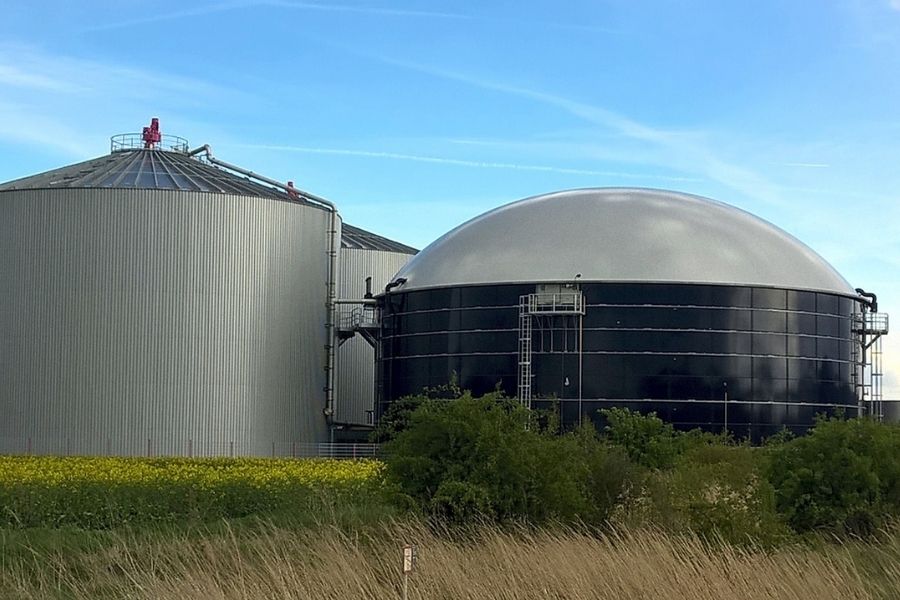
India’s biggest tax overhaul in eight years has handed the biogas sector a powerful tailwind. With the GST on biogas industry slashed from 12% to 5% effective September 22, clean energy advocates say the move will make projects cheaper, attract private capital, and open up new opportunities for rural and industrial energy users. More than just a tax tweak, it signals a deliberate policy nudge—steering investment away from coal and toward homegrown renewable solutions. India’s biggest tax overhaul in eight years has handed the biogas sector a powerful tailwind. With the GST on biogas industry slashed from 12% to 5% effective September 22, clean energy advocates say the move will make projects cheaper, attract private capital, and open up new opportunities for rural and industrial energy users. It signals a deliberate policy nudge steering investment away from coal and toward homegrown renewable solutions. The Indian government’s sweeping GST reform is lighting a spark in the clean energy sector. Industry players say the drop in GST on biogas industry and related equipment has the potential to transform project viability, spark investment, and deepen renewable energy access nationwide. The Indian Biogas Association (IBA) welcomed the GST Council’s decision, noting that the lower tax rate would make biogas systems more affordable, accessible, and attractive to investors. IBA President A.R. Shukla highlighted that the 7% cut could lead to a 4–5% rise in fresh investments in the near term, while broader ripple effects across the value chain could deliver even greater benefits. The association estimates that by 2030, the compressed biogas (CBG) sector could draw US$ 4–5 billion in private investment. Industry leaders outside the IBA echoed this optimism. “The reduction of GST on biogas from 12% to 5% is a welcome and timely step that will enhance project viability and competitiveness of CBG,” said Atul Mulay, Chairperson of TPCI’s National Committee on Bio-Energy and President – BioEnergy at Praj Industries. “It will support the rural economy by creating additional income streams for farmers through better use of agri-residues. For a country that imports more than 50% of its natural gas, scaling up CBG is critical to saving foreign exchange, strengthening energy security, and advancing India’s clean energy and net-zero agenda. We are confident this move will boost investor confidence, and as TPCI’s National Committee on Bio-Energy, we look forward to contributing to the growth of this vital sector.” Industry Optimism and Investment This tax cut is part of a broader, landmark simplification of the GST framework—India’s biggest overhaul since its introduction in 2017. The Council has eliminated the 12% and 28% slabs, consolidating most items into just two rates: 5% for everyday essentials, including clean energy goods, and 18% for the rest. Beyond just saving money, this action is expected to shine a spotlight on India’s clean energy ambitions. As the Council reduced GST on biogas, solar equipment, and windmill parts to 5%, it simultaneously raised the GST for coal and lignite to 18%—a clear push away from fossil fuels and toward renewables. Analysts say the shift will ease project costs, help build a domestic green energy manufacturing ecosystem, and pave the way for cleaner, more affordable energy solutions. Benefits for Rural India and Clean Energy The benefits are expected to cascade quickly. Financial institutions will find projects easier to evaluate, while SMEs and investors will see more attractive return profiles. Rural areas, especially where agriculture dominates, could benefit from biogas as a low-cost energy source built from organic waste. To keep momentum going, the IBA has highlighted a deeper challenge: India’s “inverted duty” situation, where components (e.g., sub-parts of a biogas plant) attract higher taxes than the assembled system. This creates unnecessary cost penalties that undermine overall affordability. Aligning GST so that inputs and finished products are taxed consistently, the IBA suggests, would remove this structural barrier. Finance Minister Nirmala Sitharaman has projected that the broader GST revamp is unlikely to disrupt the fiscal balance, as consumption and GDP growth are expected to offset any temporary revenue shortfall. Meanwhile, agricultural and renewable energy tools are widely seen as direct beneficiaries of the reform—boosting livelihoods and investment in rural India. Economic and Policy Impact The impact is dual-layered: cleaning up the tax structure while cleaning up energy sources. By making biogas more affordable, the government is incubating a market where clean energy is not just sustainable—it’s economically compelling. In practical terms, project developers can now build or retrofit with the confidence that input costs are lower, returns are stronger, and financing is more accessible. Investors can see longer-term value in sustainable infrastructure. Rural communities may find energy security built from their own organic waste. And policymakers can align climate targets with tangible economic outcomes. Read More: Can biofuels clean up India’s hard-to-abate industries? GST cut on dairy: A game-changer for farmers, consumers, and industry GST overhaul: Relief for shoppers, push for industry FAQs What is the new GST rate on biogas plants and equipment?From September 22, the GST on biogas plants and devices has been reduced to 5%, down from the previous 12%. This is part of India’s largest GST overhaul in eight years. How will the GST reduction impact biogas project investments?Industry experts predict a 4–5% increase in new investments in the short to medium term, with the compressed biogas (CBG) industry expected to draw US$ 4–5 billion by 2030, thanks to improved project viability. Why is the GST cut on biogas plants significant for rural India?Lower taxes will make biogas systems more affordable and accessible, opening doors for rural energy users and promoting decentralized renewable energy from organic waste. How does the GST reform support clean energy beyond biogas?The reform cuts GST to 5% for renewable components including solar, wind, and biogas technologies, while increasing GST on coal and lignite to 18%—a clear policy tilt toward renewables. What is India’s “inverted duty” problem in the biogas sector?A disproportionately high GST on component parts versus the finished biogas equipment raises costs. Industry bodies are urging alignment of GST rates across inputs