India’s agricultural policy is entering a decisive new phase. The long-standing model centred on yield maximisation and subsidy support is gradually giving way to a framework driven by market integration, institutional strengthening and export competitiveness. This transition reflects a deeper structural shift — one that recognises agriculture not merely as a welfare sector, but as a strategic contributor to economic power, trade expansion and rural transformation. With growing emphasis on high-value segments such as livestock, fisheries and plantation crops, alongside the rapid expansion of Farmer Producer Organisations (FPOs), digital advisory platforms and value-chain infrastructure, India is repositioning its farm economy for a more standards-driven, globally competitive era. The challenge now lies in balancing self-reliance with openness — ensuring that smallholders are not left behind as agriculture moves from protection to performance. India’s agricultural policy is undergoing a structural transition from a yield‑focused, subsidy‑driven approach to a trade‑oriented, market‑linked and institution‑centred model, a shift anticipated in earlier analyses of agricultural reforms and value‑chain integration (Chand and Singh, 2023; Birthal et al., 2020). Budget 2026 is a clear expression of this shift. It allocates about ₹1.63 lakh crore to agriculture and allied sectors for FY ’27, a rise of roughly 7% over the previous year, with a pronounced tilt towards high‑value segments such as fisheries, livestock and plantation crops. This strategic reorientation complements the India-EU Free Trade Agreement (FTA), which promises deeper market access for Indian agri‑exports but also demands higher standards, traceability and competitive scale (World Bank, 2023). The Economic Survey 2025–26 documents how allied sectors like livestock and fisheries have outpaced crop agriculture in recent years, while small and marginal farmers continue to operate in fragmented, low‑productivity systems. It also notes that India has already met the target of forming 10,000 Farmer Producer Organisations (FPOs), signalling that collective institutions are no longer pilots but central pillars of the agrarian strategy (NABARD, 2024). In parallel, agriculture and allied exports still account for around 11–12 per cent of India’s total merchandise exports, underlining both the importance and the untapped potential of the sector (Exim Bank of India, 2025). Budget 2026: From Volume to Value Budget 2026 marks a decisive move from broad‑based input subsidies towards targeted investment in value chains, infrastructure and institutional capacity, broadly consistent with recommendations of the Doubling Farmers’ Income Committee (Chand, 2017). The high‑value agriculture scheme (₹350 crore for FY ’27) prioritises crops such as coconut, cashew, cocoa, agar trees, almonds, walnuts and pine nuts, coupled with a Coconut Promotion Scheme to replace old trees with high‑yielding varieties in major producing States. Fisheries receive support through integrated development of 500 reservoirs and coastal value chains that explicitly involve start‑ups, women‑led groups and Fish Farmer Producer Organisations (FFPOs), echoing calls to treat fisheries as an export‑oriented growth engine (FAO, 2024). On the technology front, Bharat‑VISTAAR—a ₹150‑crore, AI‑driven multilingual advisory platform linking AgriStack and ICAR packages—is designed to deliver customised advisories that reduce risk and increase productivity for farmers. Simultaneously, the ongoing computerisation of more than 67,000 Primary Agricultural Cooperative Societies (PACS) and investments through the Agriculture Infrastructure Fund aim to improve storage, logistics and market connectivity, reinforcing the move towards a digitally enabled rural financial ecosystem (RBI, 2024). This budgetary design aligns with the broader Aatmanirbhar Bharat vision for agriculture: “The agriculture export basket needs to move beyond low‑value commodities to secure long‑term sustainability.” Moving from bulk exports of rice and sugar towards higher‑value fruits, vegetables, spices, livestock products and processed foods is essential if India is to stabilise farm incomes and build durable competitiveness in global markets (Policy Circle, 2020; Exim Bank of India, 2025). FPOs in a Trade-Led Framework The India–EU FTA underscores why FPOs are so critical to India’s trade‑led farm strategy. EU markets demand strict adherence to sanitary and phytosanitary norms, pesticide residue limits, sustainability metrics and carbon footprints—thresholds individual smallholders cannot meet alone (World Bank, 2023). FPOs provide aggregation, quality assurance and bargaining power; they can negotiate contracts, coordinate investments in grading, cold chains and certification, and act as a single interface for exporters and buyers (Chatterjee et al., 2019; World Bank, 2023). Budget 2026 effectively positions FPOs, FFPOs and Livestock FPOs as the institutional vehicles that must translate domestic reforms into export‑ready supply chains. However, as NABARD’s 2024 assessment emphasises, many FPOs still face serious constraints in equity capital, managerial skills, governance systems and access to working capital (NABARD, 2024). Similar concerns are reflected in international literature on producer organisations’ uneven performance and risk of elite capture (Vorley et al., 2016; Trebbin, 2014). This means that merely counting FPOs will not suffice; sustained hand‑holding, dedicated credit lines, risk‑sharing instruments and professional support services are needed to make them globally competitive entities. Balancing Self-Reliance and Openness The Policy Circle analysis captures a central tension in India’s agri‑trade strategy: “Trade Protection vs. Openness: Policy Circle” analysis highlights that while agriculture remains politically protected, trade deals are increasingly requiring adjustments, which may cause short‑term pressure. On the one hand, the political economy of food security and farmer welfare continues to favour protective instruments such as MSP, stockholding and export controls (Gulati and Saini, 2019). On the other, agreements like the India–EU FTA and the broader push for export‑led growth require India to shift from ad‑hoc controls towards predictable, rules‑based trade and standards‑driven production, as highlighted in recent export preparedness and trade competitiveness studies (NITI Aayog, 2024; UNCTAD, 2026). Aatmanirbharta in agriculture, therefore, cannot mean retreating behind high tariff walls; it must instead mean becoming competitive through higher productivity, better quality and stronger institutions (Chand and Singh, 2023; Policy Circle, 2020). FPOs, digital platforms and value‑chain investments financed under Budget 2026 are necessary steps in this direction, but they are not yet sufficient. The next phase of reform must focus on deepening FPO capabilities, clarifying functional roles among FPOs, cooperatives and PACS, and ensuring that trade‑led growth does not bypass small and marginal producers (NABARD, 2024; World Bank, 2023). If India manages that balance—strengthening self‑reliance through competitiveness rather than insulation—Budgets and trade agreements alike can turn

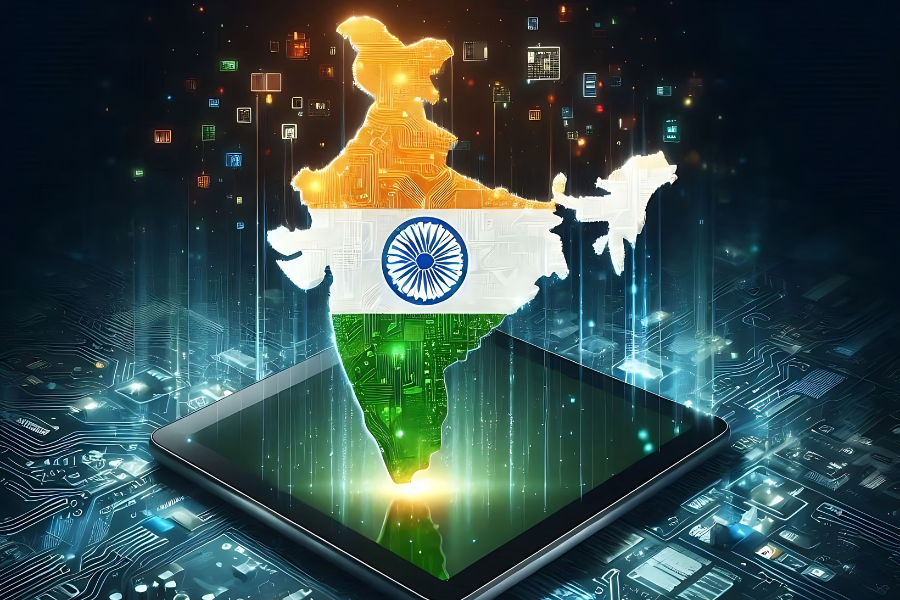
The Intelligence Era Begins: India’s $250 Billion AI Bet
The India–AI Impact Summit 2026, held in New Delhi from 16–21 February, marked a watershed moment in India’s emergence as a global artificial intelligence powerhouse. Convening heads of government, technology CEOs, policymakers, and AI researchers from over 100 countries, the summit reflected both the scale of global interest in India’s digital trajectory and the country’s growing influence in shaping the future of AI. From sovereign compute infrastructure and renewable-powered data centres to multilingual foundation models and agentic fintech systems, the event showcased India’s intent to build an end-to-end AI ecosystem. Record investment commitments, strategic global partnerships, and policy alignment around responsible AI underscored a decisive shift — positioning India not merely as an AI talent hub, but as a builder, deployer, and standard-setter in the evolving global AI order. Artificial Intelligence (AI) has emerged as a critical driver of India’s development trajectory, enhancing governance frameworks and reshaping public service delivery in line with the vision of Viksit Bharat@2047. Reaffirming the country’s commitment to building responsible, inclusive, and human-centric AI systems, Prime Minister Narendra Modi inaugurated the India–AI Impact Summit 2026 on 16 February 2026 at Bharat Mandapam in New Delhi. As the first global AI forum to be hosted in the Global South, the Summit has drawn unprecedented international participation and engagement, underscoring India’s growing leadership and influence in steering the global dialogue on Artificial Intelligence. The inaugural session was attended by more than 20 Heads of Government and 59 ministerial-level representatives, along with official delegations from 118 countries. In addition, the Summit brought together over 100 global AI leaders, CEOs, and CXOs, as well as more than 500 distinguished AI experts from across the globe. Some of the most influential leaders in technology included Sundar Pichai, CEO, Alphabet; Sam Altman, CEO, OpenAI; Dario Amodei, CEO, Anthropic; Demis Hassabis, CEO, Google DeepMind and Mukesh Ambani, Chairman, Reliance Industries. Showcasing the scale of global enthusiasm around India’s AI journey, the Summit attracted over five lakh participants. The event was preceded by 550 pre-summit programmes held across 30 countries, and complemented by more than 500 side events during the main proceedings—positioning it among the most extensive and inclusive multi-stakeholder AI engagements to date. It focused on key themes such as AI governance, societal benefits, job disruption, and energy use, while fostering global collaboration and transparency. Record-breaking investment commitments and infrastructure push The summit evolved into a high-stakes commercial platform as several AI companies announced major deals and strategic tie-ups with Indian firms. According to Union Minister Ashwini Vaishnaw, the AI summit attracted infrastructure-related investment commitments surpassing US$ 250 billion, underscoring the magnitude of capital flowing into data centres, computing capacity, digital connectivity, and power systems required to drive the expansion of artificial intelligence. India’s Reliance Industries and its telecom subsidiary Jio will invest nearly US$ 110 billion over the next seven years to develop artificial intelligence and data infrastructure, the company’s Chairman Mukesh Ambani announced. The company positions this initiative as a step toward ushering India into the “Intelligence Era,” focused on cutting dependence on overseas computing. It is a strategic domestic approach to reduce AI compute costs and ensure low-latency services nationwide. In a major boost to India’s AI infrastructure ambitions, the Adani Group announced that it will commit US$100 billion by 2035 to establish renewable energy-powered AI data centres. The conglomerate noted that this investment is likely to stimulate an additional US$ 150 billion in adjacent sectors, including server manufacturing and sovereign cloud platforms. Collectively, these commitments are projected to create a US$ 250 billion AI infrastructure ecosystem in India over the next decade. Microsoft said that it is on track to invest US$ 50 billion by the end of the decade to expand artificial intelligence capabilities across countries in the Global South. With India identified as a key focus, the initiative encompasses cloud and skill-development programs designed to train teachers and public servants, alongside expanding data centre capacity to support sovereign and locally hosted deployments. The company had earlier committed US$ 17.5 billion toward AI initiatives in India last year. Yotta Data Services announced that it will establish one of Asia’s largest AI computing hubs, powered by Nvidia’s latest Blackwell Ultra chips, in a project valued at over US$2 billion. Google announced a US$ 15 billion AI hub in Visakhapatnam (Vizag) along with an India–US subsea cable project to strengthen connectivity for AI workloads. The facility is envisioned as a gigawatt-scale compute center and international gateway, designed to boost access to high-performance infrastructure for both enterprises and research institutions. Major AI partnerships announced Major partnerships between global AI firms and Indian companies were announced, at the summit, accelerating the country’s AI and digital infrastructure growth. These collaborations span data centres, advanced computing, and agent-driven fintech solutions, underscoring India’s rising role in large-scale AI innovation. Tata Consultancy Services (TCS) has onboarded OpenAI, the parent company of ChatGPT, as the first client for its data centre unit under the global AI infrastructure initiative Stargate, the companies announced. In a move to strengthen India’s AI infrastructure landscape, Larsen & Toubro announced a proposed collaboration with Nvidia to build AI-ready data centre infrastructure, advanced computing platforms, and ecosystem enablement required to support large-scale AI workloads. Pine Labs said it is incorporating OpenAI’s decision-making technology into its payment and merchant flows to power autonomous commerce workflows. By adding an intelligent reasoning layer to its payment infrastructure, the company intends to automate negotiations, settlements, and other transaction functions for merchants, laying the groundwork for new agent-driven fintech solutions. Razorpay launched Agentic Payments in partnership with NPCI to facilitate UPI-based purchases within chat and assistant interfaces, along with pilot initiatives involving major delivery platforms. The integration reduces friction by maintaining both discovery and payment within the same conversational flow, demonstrating how payments infrastructure is adapting to conversational and agentic commerce. AMD is partnering with Tata Consultancy Services (TCS) to build rack-scale AI infrastructure leveraging AMD’s “Helios” platform. New AI launches From multilingual foundation models and enterprise AI deployments to voice technologies and AI-powered payments,

India’s shipbuilding renaissance: Seizing the overlooked yacht opportunity
India’s maritime ambitions are entering a transformative decade, as the country positions shipbuilding at the centre of its industrial and export growth strategy. Long known primarily as a ship repair and offshore services hub, India is now pivoting decisively toward complex vessel manufacturing, green propulsion technologies, and global newbuild contracts. This shift is being powered by a convergence of policy incentives, infrastructure modernisation, and international technology partnerships aimed at elevating India’s standing in the global maritime value chain. With large capital outlays under the Production Linked Incentive (PLI) framework and expansive port-led development programmes, domestic shipyards are scaling capacity, upgrading design capabilities, and targeting high-value export markets. As global supply chains diversify beyond traditional shipbuilding strongholds, India sees a historic window to capture market share, create skilled employment, and build a future-ready maritime ecosystem—one that extends from commercial shipping to specialised luxury and green vessels. India’s shipbuilding sector is undergoing a seismic structural shift, propelled by an unprecedented policy push and capital infusion aimed at transforming the country into a global maritime manufacturing powerhouse. At the heart of this transition is the government’s ambitious Production Linked Incentive (PLI) scheme worth ₹25,000 crore, complemented by broader maritime development packages totalling ₹69,725 crore. Together, these initiatives are designed to catalyse capacity creation, technology adoption, and global competitiveness across Indian shipyards. The national ambition is bold yet clearly articulated: capture 5% of the global shipbuilding market by 2030 and achieve top-5 global shipbuilding nation status by 2047. Public and private yards alike are scaling up capabilities to align with this vision. Established players such as Cochin Shipyard, Garden Reach Shipbuilders & Engineers (GRSE), and Mazagon Dock Shipbuilders are expanding beyond defence and repair into complex oceangoing vessels, tankers, and next-generation green ships powered by LNG, ammonia, and hybrid propulsion systems. Policy support is both financial and infrastructural. Subsidies covering up to 25% of capital expenditure are reducing entry barriers for large vessel construction, while port-led industrialisation programmes under Sagarmala are upgrading dry docks, logistics connectivity, and coastal industrial ecosystems. International collaborations are further accelerating capability building. Strategic MoUs with global majors such as Hanwha Ocean and Samsung Heavy Industries are enabling technology transfer, modular construction practices, and design integration—critical for competing in high-value vessel categories. Recent export wins underscore rising global confidence. GRSE’s US$86 million contract to build multipurpose vessels for a Danish client and Udupi Cochin Shipyard’s US$131 million dry cargo order from Norway signal growing European trust in the “Design in Europe, Build in India” model. This evolution marks India’s transition from a marginal repair hub—currently holding roughly 1% of global shipbuilding share—into an emerging newbuild destination. Yet, amid this industrial thrust, one high-margin maritime segment remains underpenetrated: oceangoing yachts and luxury vessels classified under HS89. The global yacht market is valued at approximately US$150 billion, with EU imports alone accounting for US$17 billion. India’s domestic yacht sales stood at US$115 million in 2023 and are projected to reach US$163 million by 2030, growing at a CAGR of 5.1%. However, India’s participation remains limited due to gaps in bespoke design, luxury engineering, and finishing capabilities—areas historically dominated by European specialists such as Italy’s Ferretti Group, the Netherlands’ Feadship, and German custom yacht builders. Ironically, India holds strong structural advantages for entering this segment. Manufacturing costs are 30–40% lower than competing Asian yards, labour is highly skilled, and the country’s 7,500-km coastline—spanning Goa, Mumbai, Kochi, and emerging marina hubs—offers natural geographic leverage. This creates an ideal foundation for outsourced yacht construction under global design partnerships. The proposed EU-India Free Trade Agreement, expected by 2027, could become a decisive catalyst. Tariff reductions from 5–10% to zero would unlock duty-free access to Europe’s ultra-luxury yacht market. A strategic pathway is already visible: leveraging shipbuilding PLI incentives to create yacht-specific clusters in Gujarat and Andhra Pradesh, while tying up with European design houses under an “EU brains, Indian build” framework. Encouragingly, early signals of collaboration are emerging. Italy is exploring joint venture pathways, echoing successful maritime technology partnerships such as GRSE-Berg Propulsion and Goa Shipyard’s collaboration with Jan De Nul. On the design front, studios like Bhushan Powar’s luxury yacht practice in Goa are blending futuristic aesthetics with nature-inspired forms, developing superyacht concepts alongside construction vessels—an early indicator of indigenous R&D capability formation. Sustainability alignment will further strengthen India’s positioning. DNV certifications, hybrid propulsion systems, and alternative fuels such as methanol are increasingly being integrated into Indian builds, ensuring compliance with stringent EU environmental norms. Export financing backstops, including EXIM Bank guarantees, can further de-risk large yacht orders for international buyers. The opportunity landscape is compelling. India could realistically target US$500 million to US$1 billion in yacht exports by 2030, generating an estimated 50,000 high-skill jobs across design, interiors, marine engineering, and composites manufacturing. Challenges around design intellectual property, luxury quality perception, and finishing precision remain—but these are addressable through structured joint ventures, much like L&T’s successful pivot into high-end defence shipbuilding. For policymakers, the next frontier lies in soft infrastructure: world-class marina ecosystems, yacht tourism circuits, and specialised skill academies aligned with luxury vessel construction. With over ₹6 lakh crore earmarked under broader maritime development outlays, integrating yacht infrastructure into national planning could unlock disproportionate value. India’s shipbuilding renaissance is well underway. But true maritime supremacy will not be defined by cargo tonnage alone—it will also sail on the polished decks of luxury yachts flying the flag of “Built in India.” The author is Research Advisor, GOG-AMA Centre of International Trade & Editor, Foreign Trade Update. Views expressed are personal.
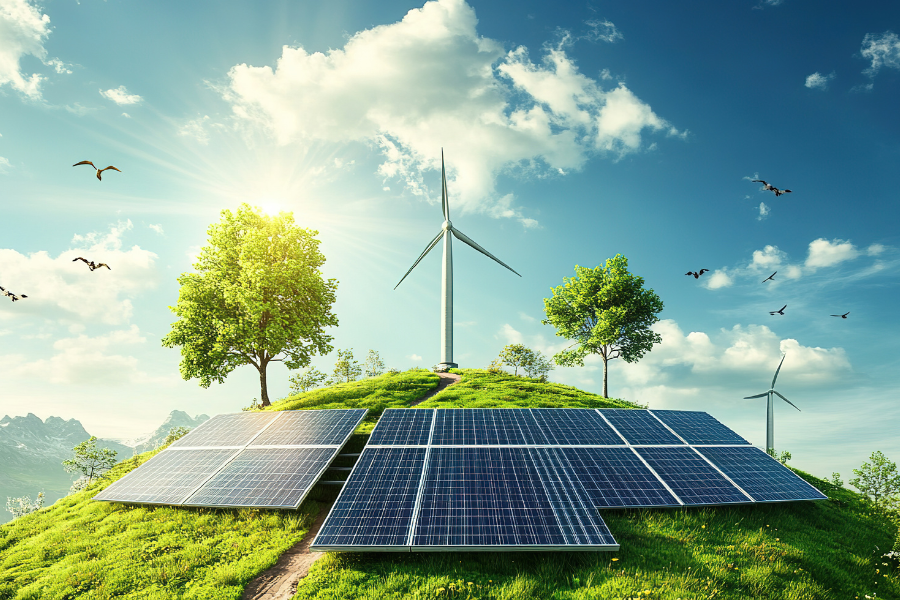
The great crossover: Clean energy takes the lead in India
India’s power sector in FY26 has marked an unprecedented phase of expansion and transition, with more than 52 GW added within ten months — the fastest annual capacity growth recorded so far. The country’s total installed capacity now stands at 520,510.95 MW, with non-fossil sources at 271,969.33 MW surpassing fossil fuel capacity of 248,541.62 MW. The 52,537 MW addition represents an over 11% increase in a single fiscal year. Renewable energy, led by solar and supported by wind and hydropower, drove most of the growth, while thermal and nuclear expanded steadily. In June 2025, India reached its target of sourcing 50% of its installed electricity capacity from non-fossil fuels—achieving the goal five years ahead of its 2030 commitment under the Paris Agreement’s Nationally Determined Contributions (NDCs). As energy demand rises, renewables are expected to anchor future growth, supported by policy backing, manufacturing expansion, and improving storage technologies. India’s power sector has reached a defining inflection point, with non-fossil fuel capacity now exceeding fossil fuel-based capacity. The milestone comes in a record year for expansion, as the country added 52,537 MW in FY26 (up to January 31) — the highest annual capacity addition ever achieved. According to data released by the Ministry of Power, total installed power generation capacity has climbed to 520,510.95 MW. Non-fossil sources account for 271,969.33 MW of this total, surpassing the 248,541.62 MW generated from fossil fuels. The crossover signals a structural rebalancing of India’s power mix toward cleaner sources. The pace of expansion has been particularly striking. Capacity additions in FY26 have already overtaken the previous high of 34,054 MW recorded in FY25, translating into an increase of over 11% in the total installed base within a single fiscal year. Renewables lead record capacity addition Renewables have powered the bulk of this growth, contributing 39,657 MW to the total addition. Solar energy led the surge with 34,955 MW of new capacity, reaffirming its dominant position in new installations. Wind energy added 4,613 MW during the period. Large hydropower projects further strengthened clean energy output, commissioning 3,370 MW and reinforcing base-load support from non-fossil sources. Conventional segments also expanded, though at a more measured pace. Thermal power capacity rose by 8,810 MW, while nuclear energy capacity increased by 700 MW. As of January 31, the country’s installed renewable capacity, inclusive of small hydro, stood at 263,189.33 MW, while nuclear power accounted for 8,780 MW. The scale of recent capacity additions underscores the speed at which power infrastructure is being developed nationwide. With over 52 GW commissioned within just ten months, FY26 has created a new high for yearly capacity expansion, strengthening the structural shift toward non-fossil energy, while sustaining incremental expansion in thermal and nuclear capacity. Policy support and NDC achievement According to analysts, the momentum behind the shift stems from continued policy support for solar and wind projects, a strengthening domestic manufacturing base for modules and turbines, and better grid integration. A sector expert noted that solar PV is increasingly anchoring fresh capacity additions, with India’s solar expansion now counted among the fastest globally each year. In June last year, India recorded a historic milestone in its clean energy transition, with non-fossil fuel sources accounting for 50% of its installed electricity capacity—meeting a crucial commitment under its Nationally Determined Contributions (NDCs) to the Paris Agreement five years ahead of schedule. Under its updated NDCs submitted in August 2022, India committed to lowering the emissions intensity of its gross domestic product (GDP) by 45% by 2030 compared with 2005 levels, raising the share of non-fossil fuel-based energy resources to 50% of total installed power capacity by 2030, and creating an additional carbon sink of 2.5 to 3 billion tonnes of CO₂ equivalent through expanded forest and tree cover within the same timeframe. Global ranking and long-term energy transition India’s energy demand is set to grow faster than that of any other country in the coming decades, driven by its large population and economic expansion. To meet this rising demand sustainably, a significant share of new capacity must come from low-carbon and renewable sources. As of FY25, India ranks fourth globally in wind, solar and overall renewable installed capacity, retaining its FY24 position. It is also the fastest-growing renewable electricity market. India has overtaken Japan to become the world’s third-largest solar power producer, generating 108,494 GWh compared to Japan’s 96,459 GWh, according to International Renewable Energy Agency (IRENA). India’s power sector is undergoing rapid change, driven by population growth, expanding rural electrification, and rising energy demand. The shift towards clean energy is helping villages move toward self-reliance while cutting pollution and lowering dependence on fossil fuels. Advancements in battery storage technology are set to boost system efficiency significantly, while solar power costs are likely to decline further from current levels. Moreover, transitioning from coal to renewable sources could generate annual savings of around Rs. 54,000 crore (US$ 8.43 billion), strengthening both environmental and economic sustainability. As India aims to meet its projected energy demand of 15,820 TWh by 2040 through domestic sources, renewable energy is poised to become a key pillar of the country’s evolving power landscape. Read more Viksit Bharat meets Net Zero: Rewiring India’s growth model ]Scenarios towards viksit bharat and net zero India Marks Record-Breaking Year in Clean Energy in 2025 FAQs What major milestone has India achieved in its power sector? India’s non-fossil fuel capacity has surpassed fossil fuel-based capacity for the first time. The country also achieved 50% of its installed electricity capacity from non-fossil sources in 2025, five years ahead of its 2030 climate target under its Nationally Determined Contributions (NDCs). How much capacity was added in FY26? India added a record 52,537 MW of power capacity in FY26 (up to January 31), marking the highest annual addition ever and an expansion of over 11% in a single fiscal year. Which energy sources drove the expansion? Renewables led the growth, with solar contributing the largest share of new capacity additions, followed by wind and large hydropower. Thermal and nuclear capacity also

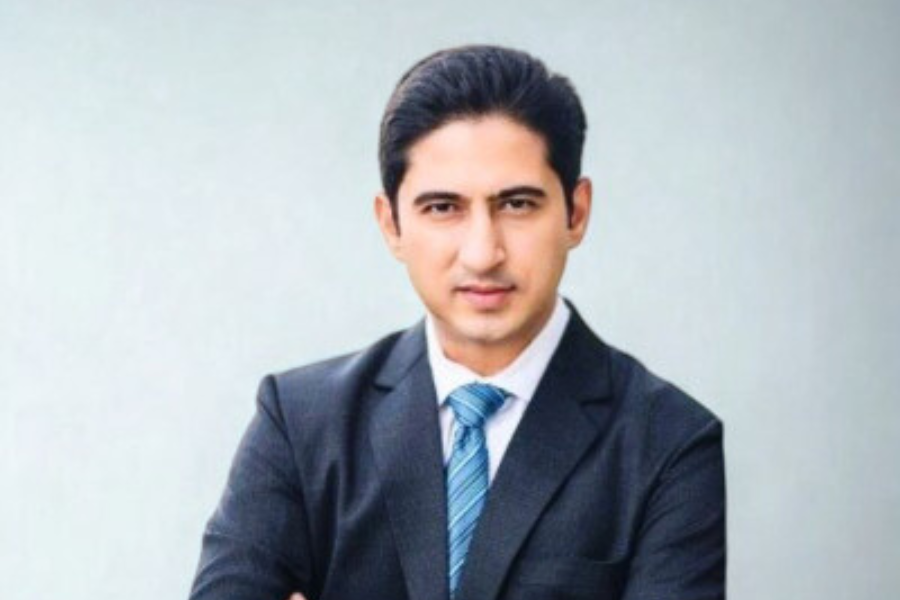
Preventive pet wellness: Building trust through science: Dr Mohit Lalvani
In this special edition of the IBT Thought Leadership Series, we feature Dr. Mohit Lalvani—MD & Founder of Mascot Spin Control India Pvt. Ltd., and the entrepreneurial force behind Captain Zack and Cocoon—who has been instrumental in shaping India’s science-led pet wellness ecosystem. While his legacy in clinical research and product validation spans over three decades, Dr. Lalvani’s foray into the pet care and pet nutrition space stemmed from a deeper observation: India’s pet ecosystem lacked preventive health frameworks rooted in hygiene, nutrition, and formulation science. Through his ventures, he has championed transparency, species-appropriate formulations, and global-grade safety standards—bringing clinical thinking into everyday pet parenting. In this conversation, he shares key consumer insights, regulatory gaps, export opportunities, and hard-earned entrepreneurial lessons from building credible pet wellness brands in an evolving market. IBT: Captain Zack carved a distinct identity in India’s premium pet care space. What consumer insights or unmet needs led you to create a science-led, transparent pet care brand? Dr. Mohit Lalvani: When I started, there wasn’t even a clear concept of preventive pet hygiene in India. The fundamental question was simple: Why do pets fall ill frequently? Why don’t they live as long as they should? Most answers pointed to one root cause—poor hygiene and grooming practices. I observed that a well-groomed pet eats better, feels happier, displays less aggression, spends more quality time with pet parents, and ultimately lives longer. I strongly believe that grooming is preventive healthcare. Just as humans feel refreshed and healthier after regular bathing, pets also require consistent hygiene care. That insight led me to create a grooming-first brand that focused on prevention rather than cure. We introduced species-appropriate pH-balanced shampoos, paw butter for post-walk care, leave-in conditioners, and even waterless bath solutions for hydrophobic dogs. The core philosophy was simple: healthy grooming leads to a healthier, longer life. IBT: When you built Captain Zack, India’s pet care sector had minimal regulatory oversight. What risks did this pose, and how did you build credibility? Dr. Mohit Lalvani: The first and most significant challenge was education. In this category, the consumer is the pet, but the customer is the pet parent. We had to build trust with both. Many pet parents were unaware that a dog’s skin is more alkaline than human skin, and that human shampoos, typically formulated at a pH of around 5.5, are too acidic for pets and can damage their skin barrier. Educating customers on why species-specific products matter was therefore essential. We positioned our products as preventive rather than curative, leaving treatment to veterinarians while focusing on hygiene-led wellness. We actively engaged groomers, veterinarians, and behaviourists, conducted awareness events, and ensured complete transparency in ingredient communication. Trust was built through science, clarity, and consistent messaging. IBT Should Indian pet care brands voluntarily adopt higher clinical and safety standards—even before regulations mandate them? Dr. Mohit Lalvani: Absolutely. In skincare and grooming, animal testing is not permissible, so we used sensitive human skin testing as a proxy to ensure safety. If a formulation is safe for highly sensitive human skin, and if the pH is appropriately adjusted, it can reasonably be extrapolated for pets. In pet nutrition, however, expertise becomes even more critical. Brands aiming to scale globally must collaborate with qualified nutritionists. I strongly recommend partnering with an Indian pet nutritionist while also consulting experts from the United States or Europe, as these regions are more advanced in pet nutrition science. This dual validation not only strengthens the formulation but also enhances export credibility and builds global trust. IBT. How do you see consumer awareness and preventive pet wellness evolving in India? Dr. Mohit Lalvani: Awareness is improving, but the pace is gradual. India has approximately 3 to 3.5 crore pet dogs, yet I estimate that only about 5% of owners can truly be considered pet parents, while the remaining 95% are traditional dog owners. There is a significant difference between the two mindsets. The shift toward preventive grooming, balanced nutrition, and emotional bonding is primarily being driven by millennials and Gen Z, especially urban adopters between the ages of 25 and 35. This generation is more receptive to the idea that hygiene and nutrition directly impact longevity and quality of life. Over the next five years, I expect faster momentum as generational change reshapes consumer behaviour. IBT: How can India strengthen its global competitiveness in pet food and wellness exports? Dr. Mohit Lalvani: Small brands must collaborate rather than compete in isolation. Large and small players alike should consider forming industry syndicates and working collectively with the government to strengthen export facilitation. India already possesses strong raw material capabilities and manufacturing infrastructure, which can serve as significant competitive advantages. However, harmonised standards, coordinated representation, and globally recognised nutrition validation are essential for scaling internationally. If brands align their efforts and speak with a unified voice, India can position itself as a credible sourcing hub for high-quality pet wellness products. IBT: What three guiding principles would you give founders building in pet nutrition and wellness today? Dr. Mohit Lalvani: The first principle is radical transparency. In this industry, you serve both a consumer who cannot speak and a customer who must rely entirely on your honesty. Trust is non-negotiable. Brands must clearly communicate what ingredients are included and what are excluded, and explain why those exclusions matter. For instance, avoiding sulphates, artificial colours, artificial fragrances, and harmful preservatives such as DMDM Hydantoin—a formaldehyde-releasing preservative—should not merely be marketing claims but conscious safety decisions backed by explanation. The second principle is investing heavily in education. A significant portion of resources should be allocated to consumer awareness, because education builds long-term brand equity. Many pet parents still purchase products based on brand recognition rather than ingredient understanding, and that gap must be addressed through consistent communication. The third principle is prioritising formulation integrity over price competition. Safety, balanced nutrition, appropriate protein-fat-carbohydrate ratios, dermatological suitability, and ingredient traceability must matter more than being the cheapest option in the market. If a brand

The zero effect: How no-calorie drinks are reshaping beverage playbooks
India’s no-calorie drinks market has entered a decisive growth phase, transitioning from a niche urban wellness proposition into a mainstream consumption driver. The segment’s share has expanded sharply over the past five years, reflecting a structural pivot in consumer preferences toward lower-sugar and zero-calorie alternatives. What began as a diet-led lifestyle choice is now influencing mass beverage portfolios across carbonated drinks, juices, flavoured water, energy beverages and even coffee, prompting legacy players and startups alike to recalibrate product strategies. India’s zero- and low-sugar beverage market hit a five-year high in 2025, marking a decisive shift from what was once considered a niche urban trend to a mainstream consumption pattern. Sales of zero-sugar drinks surged sharply, with companies reporting record volumes and rising category shares across carbonated drinks, juices, energy beverages, coffee, and even flavoured water. Coca-Cola, which leads India’s ₹60,000 crore-plus soft drinks market, reported that its zero-sugar portfolio reached an all-time high of 30% of its total volume sales in 2025. The company’s no-sugar lineup includes Diet Coke, Coke Zero, Thums Up X Force (no sugar), Sprite Zero, Kinley water, along with juice and energy drink variants. Diet Coke alone saw its sales double year-on-year, underscoring the accelerating demand for sugar-free alternatives. Executives cited internal data showing that Coca-Cola commanded a 71% share of the total “diets and lights” category in FY25, including zero-sugar versions of Thums Up and Sprite. (Coca-Cola is also strengthening consumer engagement through data technology and AI, and has developed Coke Buddy, a self-ordering platform designed for retailers.) This is much in line with what the company is doing globally – repositioning itself from a carbonated soft drink giant to a multi-category beverage company — spanning sparkling (Coke, Sprite, Fanta — zero variants), water & hydration, coffee, energy drinks, functional beverages and juice & dairy. In fact, it globally tracks “calories per serving sold” and % of low/zero sugar portfolio as strategic metrics. PepsiCo also posted its highest year-on-year growth in the category. According to its bottling partner Varun Beverages (VBL), no-sugar and mid-sugar drinks accounted for 59% of PepsiCo’s total volume in the October–December 2025 quarter, up from 53% in the corresponding quarter the previous year. This marked the company’s single biggest year-on-year surge in the healthier beverages category. The portfolio includes Pepsi Black, 7 Up Zero Sugar, Sting energy drink, Tropicana no-sugar variants, Evervess Soda and Aquafina water. VBL, PepsiCo’s second-largest franchise partner outside the US, attributed the growth to a sustained focus on healthier beverage offerings. Changing consumer behaviour and pricing push The broader market trend is striking. The sales share of zero- and low-sugar drinks rose from about 5% in 2020 to an average 30% in 2025, with a particularly sharp spike over the past 12 months, according to a report by the Economic Times. Industry executives said the transformation reflects rapidly changing consumer preferences, improved availability and affordable prices. Companies are aggressively expanding distribution and and refining pricing strategies to drive faster adoption. Coca-Cola, for instance, is pushing sugar-free cans such as Thums Up X Force, Coke Zero, Diet Coke and Sprite Zero at entry price points starting around ₹10. It has also introduced no-sugar variants of Schweppes flavoured water. Marketing campaigns — including social media trends such as blending Diet Coke with espresso coffee mixes — have further amplified visibility among younger consumers. The company also launched Powerade during the ICC World Cup as part of its innovation push in lower-sugar hydration beverages. The shift is no longer confined to fizzy drinks. Coffee chains and smoothie brands are adapting to changing preferences. Industry experts noted that customers increasingly want greater control over sweetness levels without compromising familiar taste, seeking to balance indulgence with lower calorie intake. Tata Starbucks introduced sugar-free flavour options across more than 500 stores in January, noting a spike in demand at the start of the year when consumers reassess routines and adopt New Year health resolutions. Gen Z, wellness trends and health awareness drive demand Industry experts view this phase as a generational turning point. India’s urban consumers have shifted from simply discussing health to actively embracing healthier choices. Gen Z, as per the experts, is at the forefront of this transition, driven by heightened wellness awareness as well as aesthetic goals. With India’s large youth population, these evolving preferences are translating into significant gains in overall beverage volumes. Health trends are also reinforcing the shift. Rising awareness of diabetes, calorie intake and weight management, along with the growing visibility of weight-reduction drugs such as Semaglutide and Tirzepatide in the Indian market, are shaping consumer behaviour. Diet and zero-sugar drinks, once considered acquired tastes or lifestyle statements, are increasingly viewed as practical everyday substitutes rather than compromises. The momentum has extended beyond large multinational beverage companies to startups and direct-to-consumer brands. Private equity investors are backing emerging players positioned around low- or no-sugar propositions. Go Zero raised ₹30 crore in Series A funding from DSG Consumer Partners, Saama Capital and V3 Ventures. Café chain Yummy Bee secured ₹18 crore in funding, while zero-sugar beverage startup Chini Kum raised ₹1 crore in pre-seed capital earlier this month. These investments reflect strong investor conviction in the long-term sustainability of the health-driven consumption trend. Overall, India’s beverage market is undergoing a structural transformation. What began as an urban wellness fad has evolved into a broad-based, volume-driving segment across price tiers and categories. As consumer awareness deepens, innovation accelerates, and companies expand affordable options, zero- and low-sugar beverages are emerging as a central growth engine in India’s soft drinks and broader beverage industry. Conclusion The surge in zero- and low-sugar beverages reflects deeper shifts in India’s consumption economy, where health, affordability and accessibility increasingly intersect. The health food market size in India is already pegged at a huge US$ 942.73 billion in 2025 by SNS Insider, and is projected to reach US$ 1.7 trillion by 2033, growing at a CAGR of 7.3%. The country’s vegan food market is expected to nearly double to US$ 4.9 billion by 2030 (MarkNtel Advisors). According to a
Snacking reimagined: Tradition, health & premiumisation in India’s biscuit boom – Ritesh Gauba, Pladis Global
India’s biscuit industry — valued at nearly US$ 5 billion — is undergoing a structural transformation, mirroring the country’s evolving snacking habits. What was once a simple tea-time accompaniment is now a multi-occasion, multi-segment category spanning health, indulgence, convenience, and premiumisation. From digestive variants and oats-based formats to cream-filled innovations, biscuits today cater to both mindful consumption and everyday pleasure. In this conversation with India Business & Trade, Ritesh Gauba, Country General Manager, Pladis Global, shares how shifting consumer behaviour, channel disruption, regional insights, and sustainability priorities are reshaping the future of India’s biscuit market. IBT: India’s snacking culture is shifting from traditional munchies to “small indulgences.” How has this evolution reshaped the biscuit category, and what key consumer trends are driving growth today? Ritesh Gauba: Traditional Indian munchies like samosas, dhoklas, and gulab jamuns are indulgent treats – enjoyed occasionally for fun and flavor. In contrast, biscuits have evolved far beyond that. Today, they cater to multiple snacking moments and moods – healthy or indulgent, solo or social. A digestive pairs well with morning tea, oats biscuits follow a workout, cream biscuits delight kids, and cookies or butter biscuits are served to guests. Post-COVID, health consciousness has reshaped the category, but biscuits remain about joy. Brands are striking a balance – offering better-for-you options like digestives and multigrain variants while keeping taste intact. The result is “intelligent indulgence” – a category that fits every age, occasion, and craving, blending health, variety, and pleasure in the way modern India loves to snack. IBT: The biscuit market has become highly competitive with strong domestic and global players. How do you view the current competitive landscape, and where do you see opportunities for differentiation? Ritesh Gauba: Yes, we do see the biscuit market becoming increasingly competitive. But it’s also a very large category – nearly a $5 billion industry in India. And as I always say, in India, niche is also mass. So the real opportunity lies in finding differentiation within those niches. For instance, while there’s a huge market for cookies and cream biscuits, there’s also significant demand for digestive and zero-sugar variants. Given the size and diversity of the market, there’s room for everyone – it’s about identifying the right space to play in. Where I see strong potential going forward is in the health segment, or what I like to call “indulgent health.” Biscuits are, after all, a fun snacking category – not a serious one. So the focus is on combining taste with better-for-you ingredients. That’s the space we’re working in and will continue to strengthen. IBT: Biscuits are deeply linked to comfort and nostalgia. How are you balancing this emotional connect with the growing demand for healthier, functional, and mindful snacking options? Ritesh Gauba: I’ll start with an example. A cream biscuit is fun, and a digestive is healthy. We recently launched a product that combines the best of both – a digestive cream biscuit. It’s essentially a cream filling sandwiched between two digestive biscuits. The idea came from a simple insight: consumers don’t always want a pure cream biscuit, but they also don’t want something too serious. Biscuits are meant to be fun. So, the goal is to bring fun and health together – what I call “indulgent health” or “healthier options” rather than just health. That’s the space we’re focused on. Another example is our Hobnobs Chocolate Chip variant. It’s an oats-based biscuit – almost 35–40% oats – but with added chocolate chips. So, you get the goodness of oats with the enjoyment of chocolate. The idea is all about balance – creating products that deliver health benefits without compromising on taste. That’s the direction we’re moving in and will continue to strengthen. IBT: Regional preferences across India vary widely – from sweet to spicy profiles. How do insights into these regional tastes influence your product innovation and portfolio strategy? Ritesh Gauba: Let me start by giving this a more Indian context. Some biscuit categories – like Marie, cookies, and cream biscuits – truly cut across India. In fact, most large biscuit formats have national appeal. For McVitie’s, which is a global powerhouse in the biscuit space, our primary focus in India has been on local innovation. We have our own manufacturing facility here, and everything sold in India is made in India. We also ensure that a lot of our product innovations are designed specifically for Indian consumers. For example, we’ve launched our Tastees cookie range, along with variants like coconut and cashew biscuits – flavours that resonate strongly with Indian taste preferences. Alongside these, we continue to offer our global favourites like Digestives and Hobnobs. But at the first level, our focus remains clear – to create products for the Indian consumer, based on what he or she truly wants. At the next level, we also look at different consumer segments or “pop strata.” For instance, we have digestive biscuits available at just ₹5, which are literally small, pop-sized packs, as well as ₹10 digestives. This helps us reach across demographics and ensure accessibility without compromising on quality. IBT: Affordability remains key, but premiumization is on the rise. How do you strike the right balance between accessibility, value, and premium positioning across different consumer segments? Ritesh Gauba: Exactly – who would think of offering a digestive biscuit at ₹5 or ₹10? But we do. Of course, the size changes, but the quality remains the same. It’s about finding the right balance. We have very premium products like Hobnobs, and at the same time, we make products like Digestives more affordable by offering the right pack sizes. Going forward, we’ll continue to launch products that cater both to premium consumers and to those who are value-conscious. It’s about ensuring that everyone can enjoy McVitie’s quality, no matter their budget. IBT: E-commerce, quick-commerce, and modern trade are redefining distribution. How are you adapting your go-to-market and retail strategies to stay relevant across both digital and traditional channels? Ritesh Gauba: Let me start by saying

ACC batteries to anchor India’s EV and storage boom
ACC batteries are set to become the cornerstone of India’s energy transition, with demand projected to surge from about 28 GWh in 2025 to over 700 GWh by the mid-2040s, according to a recent report by the India Energy Storage Alliance (IESA). Under Business-as-Usual and Viksit Bharat scenarios, total battery demand could scale to 1.3–1.9 TWh by 2047, reflecting the scale of transformation underway across mobility and power systems. India’s appetite for Advanced Chemistry Cell (ACC) batteries is set to surge at an unprecedented pace, signalling the scale of transformation underway in the country’s clean energy and mobility ecosystem. Demand is projected to skyrocket from roughly 28 GWh in 2025 to over 700 GWh by the mid-2040s, according to a new report by the India Energy Storage Alliance (IESA), unveiled at the India Battery Manufacturing and Supply Chain Summit (IBMSCS) 2026. The findings paint a compelling picture of India’s rapidly evolving battery value chain, mapping its growth trajectory all the way to 2047. At the heart of this expansion lies the twin engine of electric mobility adoption and grid-scale energy storage, both of which will be pivotal in powering India’s transition to a low-carbon economy. As the country advances toward its climate commitments under the Viksit Bharat Vision 2047, ACC batteries are emerging not just as a technology component, but as a strategic industrial pillar—one that will shape domestic manufacturing, supply chain resilience, and energy security in the decades ahead. The report outlines two demand scenarios — a Business-as-Usual (BAU) scenario and a more ambitious Viksit Bharat Pathway (VBP) scenario. Based on these projections, India’s total battery demand is expected to reach between 1.3 terawatt hours (TWh) and 1.9 TWh by 2047, highlighting the scale of growth anticipated across transport and power sectors. Analysts noted that India’s transition in energy storage will hinge on close collaboration across the entire ecosystem. They said the rapidly growing battery demand represents both a major economic opportunity and a strategic necessity to strengthen domestic manufacturing. To fully achieve the Viksit Bharat vision, they added, India must move beyond cell assembly and build an integrated ecosystem covering raw materials, components, manufacturing, and recycling. Electric mobility and energy storage drive demand The report highlights that electric vehicles currently account for about 60% of total battery demand in 2025, a share that is projected to rise to nearly 74–77% by 2047. India’s electric vehicle market is projected to expand at a compound annual growth rate exceeding 30% through 2035, driven mainly by electric two- and three-wheelers, with passenger vehicles and commercial fleets following. In parallel, deployment of stationary energy storage systems is expected to accelerate after 2030, driven by rising renewable energy penetration and increasing grid-balancing requirements. This segment is projected to grow at over 23% CAGR through 2035. The report further noted that from a technology standpoint, Lithium Iron Phosphate (LFP) batteries and their variants are expected to dominate, accounting for more than 60% of total battery demand by 2047 due to their cost efficiency, thermal stability, and safety advantages. (notably, India is among the world’s leading importers of lithium-ion batteries, with imports valued at US$ 3.6 billion in FY2023, primarily sourced from countries such as China, South Korea, Vietnam, and Japan.) Policy push to build a domestic acc ecosystem Advanced Chemistry Cells (ACCs) represent a new generation of advanced storage technologies that store electrical energy in electrochemical or chemical form and convert it back into electricity whenever required. They are widely used across electric vehicles, grid stability management, rooftop solar installations, and consumer electronics. As India advances its renewable energy ambitions and targets net-zero emissions by 2070, energy storage is set to become a cornerstone of the broader energy ecosystem. Despite rising demand, investments in Advanced Chemistry Cell (ACC) manufacturing and value addition remain limited in India, with the bulk of domestic requirements still met through imports. To curb dependence on imported ACC batteries, the government approved a Production Linked Incentive (PLI) scheme for ACC manufacturing on May 12, 2021. With a total outlay of ₹18,100 crore spread over five years, the scheme aims to create a competitive domestic ACC battery manufacturing ecosystem with a planned capacity of 50 GWh. The PLI ACC scheme is technology-agnostic, ensuring that more advanced and efficient technologies are eligible for higher incentives. It is designed to attract large-scale investments, encourage research and development, and reduce India’s dependence on ACC imports. Under the scheme, R&D expenditure incurred by beneficiary firms is allowed to count towards investment thresholds, enabling companies to incorporate the latest technologies while implementing their projects. Strengthening the upstream supply chain, the Union Cabinet has also approved the National Critical Mineral Mission (NCMM), following inputs from the Ministry of Mines. Launched on January 29, 2025, the mission will be implemented over seven years from 2024–25 to 2030–31. It involves a proposed government expenditure of ₹16,300 crore and is expected to attract investments of about ₹18,000 crore from public sector undertakings (PSUs) and other stakeholders. The NCMM is designed to secure a long-term and sustainable supply of critical minerals (including lithium, nickel, cobalt, manganese and graphite) while strengthening India’s critical mineral value chains, spanning mineral exploration and mining to beneficiation, processing, and recovery from end-of-life products. The Union Budget 2026–27 placed strong strategic emphasis on securing India’s critical mineral supply chains to support the rapid scale-up of electric mobility, battery manufacturing, and clean energy storage. The government expanded customs duty exemptions on key minerals and intermediates such as lithium, cobalt, graphite, rare earths, and select manganese inputs to lower raw material costs for domestic manufacturers. It also announced financial and policy support for setting up mineral refining and processing facilities within India, signalling a shift from import dependence toward local value addition. Allocations were strengthened for the National Critical Minerals Mission to accelerate domestic exploration, build strategic reserves, and foster global technology partnerships, alongside continued backing for overseas asset acquisitions in mineral-rich regions like Australia, Latin America, and Africa. The Budget further encouraged battery recycling and urban mining
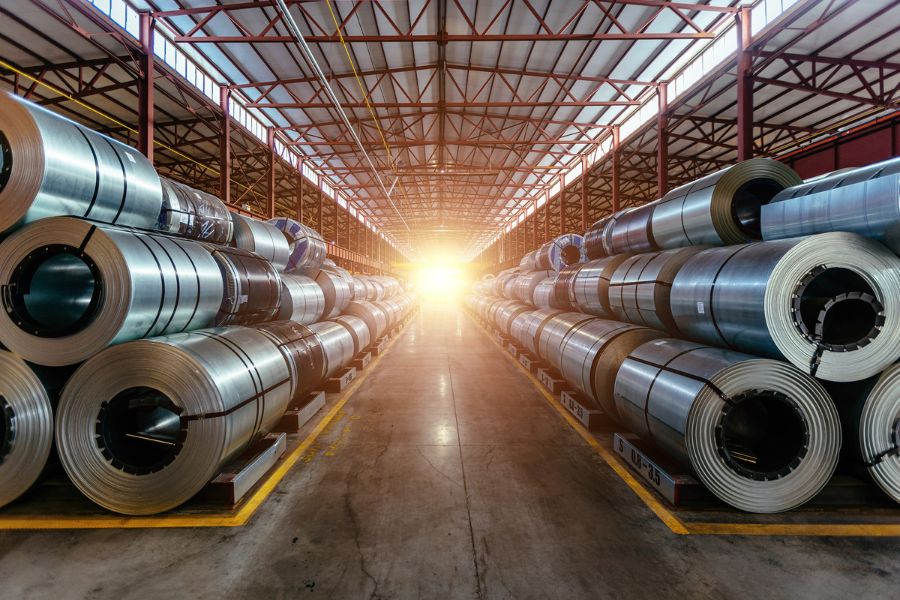
Scaling up the value chain: India’s specialty steel ambition
India’s push to deepen its manufacturing capabilities is increasingly moving beyond scale to sophistication. Specialty steel—critical for sectors ranging from defence and energy to automobiles and infrastructure—has emerged as a strategic focus area within this transition. With the government rolling out the third phase of its Production Linked Incentive (PLI) scheme, the spotlight is now on building domestic capacity in high-grade, import-dependent steel segments. The latest investment commitments signal not just incremental production expansion, but a broader attempt to hardwire resilience, technology depth and value-chain competitiveness into India’s industrial ecosystem. In a fresh push to strengthen domestic specialty steel manufacturing, the Union government on February 9 rolled out the third round of its Production Linked Incentive (PLI) scheme, signing memoranda of understanding (MoU) with 55 companies that have committed to invest ₹11,887 crore in new downstream capacity by 2030–31. The signing of the MoUs represents a major milestone in furthering the government’s Make in India initiative. The latest phase of the scheme is aimed at strengthening domestic manufacturing in segments where India continues to rely on imports, particularly in strategic, electrical and downstream steel applications. Steel and Heavy Industries Minister H.D. Kumaraswamy, along with Minister of State Bhupathi Raju Srinivasa Varma, emphasised the importance of timely execution of projects under the scheme. They urged participating companies to adhere strictly to agreed timelines to fully benefit from the incentives on offer. The specialty steel PLI scheme, which has a total outlay of ₹6,322 crore, is expected to facilitate the creation of around 26 million tonnes of additional specialty steel capacity over the coming years. Progress across PLI phases and investment commitments Providing an overview of progress so far, Mr Kumaraswamy said the PLI scheme has already attracted cumulative investment commitments of ₹43,874 crore and is expected to result in the addition of 14.3 million tonnes of new specialty steel capacity across the country. The third round, officially termed PLI 1.2, represents the latest tranche of incentives and covers 85 projects across 22 product sub-categories. These include steel grades for strategic sectors, commercial applications and coated wire products. The Ministry of Steel said the focus of the new round is on segments where domestic capabilities remain limited and import dependence is high. The specialty steel PLI scheme was first approved in 2021 with the objective of promoting domestic manufacturing, attracting fresh capital investment and supporting technology upgrades in downstream steel segments. Under the first phase, PLI 1.0, companies committed investments of ₹27,106 crore (US$ 3 billion), with an expected addition of 7.9 million tonnes of production capacity and the creation of 14,760 direct jobs. The second phase, PLI 1.1, launched in January 2025, was projected to attract around ₹17,000 crore (US$ 1.9 billion) in investments, generate nearly 16,000 jobs and add 6.4 million tonnes of capacity. PLI 1.2, launched on November 4, 2025, covers 22 product sub-categories across four segments—steel grades for the strategic sector, commercial grades category I, commercial grades category II, and coated and wire products. Based on learnings from the initial two phases, the government has introduced several design modifications in the third round. These include lower investment and capacity thresholds, removal of mandatory annual incremental production requirements, linking incentives directly to actual incremental production and revising the base year to 2024–25. The third round offers incentive rates ranging from 4% to 15% for a period of five years, starting from 2025–26, with disbursements beginning in 2026–27. Overall, pledged investments across all three rounds of the specialty steel PLI scheme now exceed ₹44,000 crore (US$ 4.84 billion), while incentives worth ₹236 crore (US$ 136.2 million) have been disbursed so far. Steel capacity expansion and role in India’s growth Steel Secretary Sandeep Poundrik reiterated that timelines under the scheme would not be extended further and urged companies to adhere to schedules to maximise benefits. He noted that India’s installed steel capacity currently stands at 218 million tonnes per annum, with an addition of 18 mtpa expected in the current fiscal. According to him, India is on track to comfortably achieve 300 mtpa of installed capacity by 2031 and could reach 400 mtpa by 2035–36. The steel industry forms a critical pillar of India’s manufacturing ecosystem and is steadily upgrading its facilities through the adoption of modern, efficient technologies. Steel plays an essential role in infrastructure development—supporting the construction of roads, bridges, railways, pipelines and urban infrastructure—thereby boosting productivity and overall economic competitiveness. India remained the world’s second-largest producer of crude steel in FY25, with output rising to 151.14 million tonnes (MT), up 4.7% from 144.31 MT in FY24. Finished steel production increased to 145.31 MT during the year, while consumption reached 150.23 MT. This strong demand has been driven primarily by large infrastructure projects, expanding industrial activity and rapid urban development. As India aims to achieve a US$ 5 trillion economy by 2027, the steel sector remains closely linked to national development priorities and flagship initiatives such as the Make in India programme. The industry has a strong multiplier effect, with an employment multiplier of 6.8x and an output multiplier of 1.4x. It contributes around 2% to India’s GDP and provides employment to more than 6,00,000 people directly and about 2 million indirectly, underscoring its strategic importance to the country’s economic growth and development. Read more Steel Industry in India Indian Steel Industry: April 2025 – A Trend Report FAQ What is the objective of the specialty steel PLI scheme? The scheme aims to boost domestic manufacturing of specialty steel, reduce import dependence, attract investments and promote technology upgrades in downstream steel segments. What does the third round (PLI 1.2) cover? PLI 1.2 covers 85 projects across 22 product sub-categories, including steel grades for strategic sectors, commercial grades and coated and wire products. How much investment has been committed under PLI 1.2? Under the third round, 55 companies have committed to invest ₹11,887 crore in new downstream capacity by 2030–31. What incentives are offered under the scheme? The scheme offers incentive rates ranging from 4% to 15% for five

India tightens IT Rules to rein in AI deepfakes
India has strengthened its IT Rules to regulate AI-generated and deepfake content, introducing tighter compliance requirements for social media platforms such as X, Facebook, Instagram and Telegram. The new rules define “synthetically generated information” and mandate prominent labelling along with permanent metadata to ensure traceability. Platforms must seek user declarations and deploy verification tools for AI content, with non-compliance risking loss of safe-harbour protection. Takedown timelines have been sharply reduced, with certain orders requiring action within three hours and some complaints within two hours. The changes reinforce India’s assertive online regulation amid concerns over censorship and platform accountability. India has introduced sweeping changes to its internet governance framework to regulate AI-generated and deepfake content more strictly, requiring online platforms to ensure clear labelling, embed permanent metadata and comply with significantly faster takedown timelines. By formally notifying a new law to curb the misuse of artificial intelligence (AI), the Centre has ushered in a stricter compliance regime for social media platforms such as X, Facebook, Instagram and Telegram. On February 10, the Ministry of Electronics and Information Technology (MeitY) notified the Information Technology (Intermediary Guidelines and Digital Media Ethics Code) Amendment Rules, 2026. The amendments explicitly expand the scope of the law to cover what is termed “synthetically generated information.” The revised rules will come into force on February 20, 2026, according to the official Gazette notification. Definition and labelling of synthetic content The notification defines synthetically generated information as any audio, visual or audio-visual content that is artificially or algorithmically created, generated, modified or altered using a computer resource in a manner that makes it appear real, authentic or true. However, the government has clarified that routine editing, formatting, technical corrections and the good-faith preparation of documents, PDFs, research outputs or educational materials will not fall within this category. Under the amended framework, intermediaries that enable the creation or dissemination of such content must prominently label it. The rules require that synthetically generated information be marked in a manner that ensures clear and immediate identification by users. In addition, platforms must embed permanent metadata or technical provenance mechanisms, including a unique identifier, to trace the computer resource used to generate or modify the content. Social media Intermediaries are expressly barred from enabling the removal or suppression of these labels or embedded metadata. Social media platforms will also be required to seek user declarations on whether content being uploaded is AI-generated, and to deploy automated tools to verify such disclosures. Where user declarations or technical verification confirm that the content is synthetically generated, platforms must ensure that it is clearly and prominently labelled. Failure to comply could have serious consequences. If an intermediary is found to have knowingly allowed such content in violation of the rules, it may be deemed to have failed its due diligence obligations, thereby risking the loss of its safe-harbour protection. Reduced takedown and grievance timelines The amendments also tighten compliance timelines. Intermediaries must now act on certain lawful orders within three hours, compared to the earlier 36-hour window. User grievance redressal timelines have been reduced from 15 days to seven days, with specific categories of complaints requiring action within two hours. Furthermore, AI-generated content involving child sexual abuse material, non-consensual intimate imagery, false documents, or misleading depictions of real individuals or events is explicitly prohibited. Violations may result in immediate content removal, suspension or termination of user accounts, disclosure of user identities to affected individuals, and mandatory reporting to law enforcement under applicable criminal laws. In recent years, India has issued thousands of takedown directives, as reflected in platform transparency reports. Meta alone blocked access to over 28,000 pieces of content in the country during the first half of 2025 in response to government requests. Table: New timelines for social media platforms to act on prohibited content Action/requirement Previous timeline New timeline Removal of non-consensual sexual content (content depicting nudity, sexual acts, or morphed images/deepfakes) Within 24 hours Within 2 hours Removal of other unlawful content upon govt/court order intimation Within 36 hours Within 3 hours General grievance resolution Within 15 days Within 7 days Action on specific prohibited content (defamation, harassment, privacy invasion etc) Within 72 hours Within 36 hours User notification of rules & policies At least once every year At least once every 3 months The move underscores India’s standing as one of the most assertive regulators of online content, compelling platforms to navigate compliance in a market of nearly one billion internet users while addressing rising concerns about potential government overreach. The directive, however, did not specify any reason for revising the takedown timelines. The amended rules also eased an earlier proposal that would have required platforms to display AI-generated labels across 10% of a post’s surface area or duration. Instead, they now require such content to be “prominently labelled.” Conclusion The amendments signal a new phase in India’s digital governance, seeking to deter deepfakes and harmful AI misuse through traceability, tighter deadlines and stricter platform accountability. By mandating labelling and embedded metadata while scrapping the 10% watermarking proposal, the government has attempted to balance enforcement with industry concerns. The effectiveness of these rules will depend on implementation, oversight and their impact on innovation, user rights and freedom of expression. Read more The Rise of Artificial Intelligence and Deepfakes Deepfakes and the crisis of knowing FAQ What are the new IT Rules aimed at? The amended IT Rules are designed to regulate AI-generated and deepfake content by introducing stricter compliance obligations for social media platforms, including labelling, metadata embedding and faster takedown timelines. What is “synthetically generated information”? It refers to audio, visual or audio-visual content that is artificially or algorithmically created or altered using computer resources in a way that makes it appear real or authentic. What are platforms required to do under the new rules? Platforms must prominently label AI-generated content, embed permanent metadata for traceability, seek user declarations, deploy verification tools and act within shortened compliance timelines. How have takedown timelines changed? Certain government or court