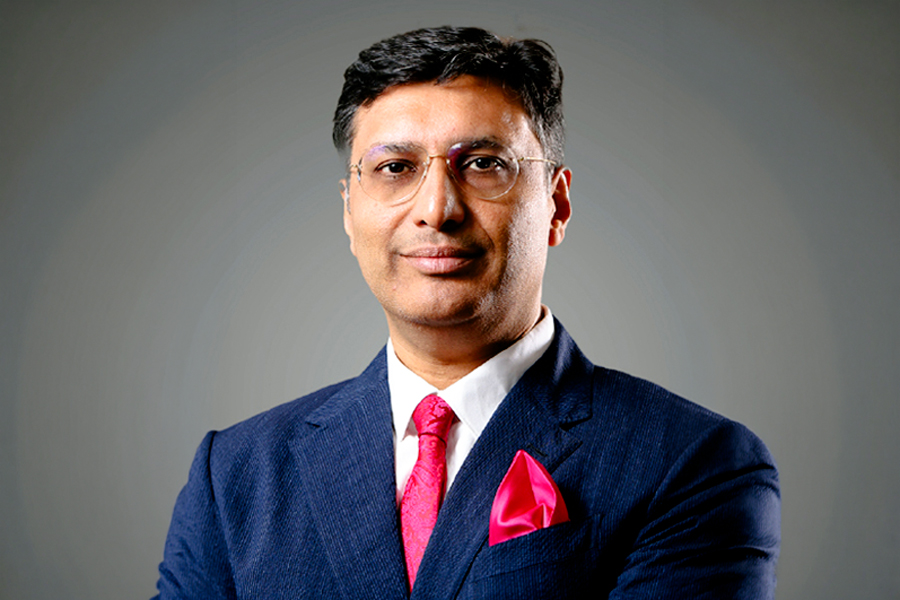
India’s tea industry is undergoing a structural transition shaped as much by changing consumer aspirations as by deep supply-side pressures. Rising disposable incomes, growing interest in health and wellness, and demand for premium, experience-led teas are redefining consumption. At the same time, processors are grappling with climate-linked pest challenges, quality leaf shortages, food safety complexities, and deflationary global price trends that strain producer viability. In this conversation, Paras Desai, Executive Director, Gujarat Tea Processors and Packers Ltd. (Wagh Bakri Tea Group), shares ground-level insights on safeguarding consistency through blending, scaling wellness teas, navigating global compliance barriers, and the strategic shifts needed to secure quality supply chains for the future. IBT: India’s tea market is evolving beyond traditional chai. Which shifts in consumer preferences do you see as structural rather than short-term? Paras Desai: The Indian population have increased aspiration with access to higher disposable incomes. Health & Wellness and premium tea segment is growing significantly. Discerning consumers demand experience along with taste. Food safety is an aspect becoming more important to consumers. IBT: With rising input costs and climate variability affecting tea quality, what are the biggest operational risks facing processors today? Paras Desai: Pest control remains a huge challenge, with climate change. This leads to higher faultlines appearing among teas within food safe agro-chemical limits. Production planning becomes difficult, resulting in quality being negatively impacted. Viability of producers depends on volume today, due to a deflation in Tea prices in US$ terms over the last 15 years, resulting in lower quality teas far exceeding good quality ones. IBT: How is the role of blending, sourcing, and quality control changing as consumers demand consistency alongside experimentation? Paras Desai: Availability of quality teas are diminishing YoY. This results in bandwidth reduction in our ability to provide our consumers what they are used to. Wagh Bakri has a promise to its loyal consumers to deliver the best in class. We done leave any stone unturned, to keep this promise. IBT: Premiumisation and wellness-led teas are gaining ground. What determines whether these segments scale or remain niche? Paras Desai: To ensure consumers continue to endorse this segment, delivery in organoleptic characteristics plays a very important role. Having said that, it is also very important to merge this with innovative technology, where delivery of the product, consistently to suit their taste profile, is done with minimal human intervention. IBT: What are the biggest roadblocks Indian tea brands face when competing in global markets—price, branding, compliance, or distribution? Paras Desai: Production and processing of tea at the garden level is still a highly labor intensive activity. This area requires intervention to ensure consistency of product, food safety of produce and economic viability of producers, to secure supply chain security for packers. IBT: Looking ahead, what strategic shifts will be critical for India’s tea processing sector to stay competitive over the next decade? Paras Desai: Concerted focus on ensuring increased supply in quality, which is food safe, combined with a more pragmatic approach from importing countries on residue levels, to ensure a balanced supply demand situation where all segments in the value chain work together in partnership to ensure that the consumer has access to the best teas, at sustainable price points, with a satisfaction that all segments of the supply chain have access to at least minimum living wage.

Viksit Bharat meets Net Zero: Rewiring India’s growth model
India is pursuing the twin goals of becoming a US$ 30 trillion developed economy by 2047 and achieving net zero emissions by 2070, calling for a fundamentally new low-carbon growth model. A Niti Aayog study estimates that the transition will require US$ 22.7 trillion in investments, or nearly US$ 500 billion annually—well above current levels. Clean energy, electrification and renewables will anchor decarbonisation, with the power sector alone needing about US$ 5 trillion. Despite mobilising domestic and foreign capital, a US$ 6.53 trillion funding gap persists, expected to be largely filled by international finance. Notably, the study finds the net zero transition will have minimal long-term impact on GDP growth. India’s aspiration to become a US$ 30 trillion developed economy by 2047 under the Viksit Bharat vision is not merely a scale ambition—it is a structural transformation challenge. Historically, every major economic power—from the US to China—has industrialised on the back of cheap fossil energy, using carbon-intensive manufacturing to accelerate productivity, urbanisation, and income growth. India, however, is attempting to compress this multi-decade development cycle into a shorter time frame while simultaneously decarbonising its growth pathways. This creates a dual imperative. India must raise hundreds of millions into higher income brackets while also committing to net zero emissions by 2070—despite having significantly lower per capita emissions than developed economies. These twin objectives are deeply interconnected and require India to craft a new model of growth—one that has not been attempted before at this scale. Achieving net zero will demand the large-scale deployment of clean energy technologies such as solar and wind power, electric vehicles, battery energy storage systems, green hydrogen, and carbon capture, utilisation and storage, many of which are still evolving and not yet fully mature. Scale of investment required for net zero India will need to mobilise investments worth about US$ 22.7 trillion to cut greenhouse gas emissions and achieve its net zero target by 2070, according to a recent study by Niti Aayog. The study, titled “Scenarios Towards Viksit Bharat and Net Zero: An Overview”, outlines the scale of capital required and the financing challenges involved in India’s long-term climate transition. On an annual basis, the cumulative investment requirement translates into average flows of nearly US$ 500 billion per year, significantly higher than the country’s current annual investment of around US$ 135 billion in 2024. Of this, only US$ 70-80 billion is presently directed towards clean energy and low-carbon sectors. The report notes that nearly US$8 trillion of the total investment must be front-loaded by 2050, reflecting the capital-intensive nature of low-carbon technologies. Within this, the power sector alone will require close to US$5 trillion, as it forms the backbone of decarbonisation through electrification and renewable energy expansion. Policy pathways and financing strategies The study evaluates India’s transition under two scenarios: the Current Policy Scenario and the Net Zero Scenario. The Current Policy Scenario assumes continuation of policies and trends in place as of 2023, based on historical deployment of low-carbon technologies. Under this pathway, total investment requirements are estimated at US$ 14.7 trillion. In contrast, the Net Zero Scenario represents an ambitious pathway aligned with India’s official climate commitment. It incorporates both existing and additional policy measures aimed at accelerating electrification demand, improving energy efficiency, promoting circular economy practices, encouraging behavioural shifts, and rapidly scaling low-carbon technologies and fuels. According to the study, with coordinated domestic reforms and supportive external conditions, India could credibly mobilise around US$ 16.2 trillion towards its net zero transition by 2070. Domestically, this would require deepening the corporate bond market, increasing the financialisation of household savings, and enabling institutional investors to participate in new asset classes. Ensuring stable returns through diversified, high-quality corporate and green assets will be essential to attract long-term capital. On the external front, scaling up foreign direct investment (FDI) and foreign portfolio investment (FPI) will play a critical role. This would be supported by credible transition roadmaps, a strong pipeline of bankable projects, and deeper, more liquid financial markets to anchor sustained foreign capital inflows. Role of international capital and economic impact Despite these efforts, a financing gap of about US$ 6.53 trillion remains when compared with the Net Zero Scenario requirement of US$ 22.7 trillion. Given domestic constraints and the risks of crowding out private investment or pushing up interest rates, the study expects this gap to be met largely through external sources. As a result, the share of international capital in total financing needs is projected to rise to 42% by 2070, from 17% in 2022–23. The report underscores that international capital, particularly concessional finance and grants, will be crucial for supporting key net zero technologies that are not yet commercially viable. Importantly, the study finds that the net zero transition has limited impact on long-term GDP growth, despite the high investment requirements. India’s GDP is projected to remain broadly resilient even under Net Zero scenarios, reaching around US$30 trillion by 2047, in line with the Viksit Bharat vision of becoming a developed economy. While the transition demands massive capital mobilisation, scenarios with a higher share of foreign financing limit GDP variations to about 0.5% by 2050. This highlights the importance of financing structure, as external capital inflows help ease pressure on domestic savings and prevent crowding out of private investment. The Niti Aayog study makes clear that India’s net zero ambition hinges on early, capital-intensive investments, especially in the power sector and clean technologies. Success will depend on accelerating policy implementation, stronger domestic financial systems, and scaling global capital partnerships. With the right mix of domestic reforms and international support, India can meet its climate goals without derailing long-term economic growth. Read more Scenarios towards viksit Bharat and net zero- Macroeconomic implications NITI Aayog releases study reports on scenarios towards Viksit Bharat and Net Zero FAQs What is India’s net zero target and development goal? India aims to achieve net zero emissions by 2070 while becoming a US$30 trillion developed economy by 2047 under the Viksit Bharat vision. How much investment is
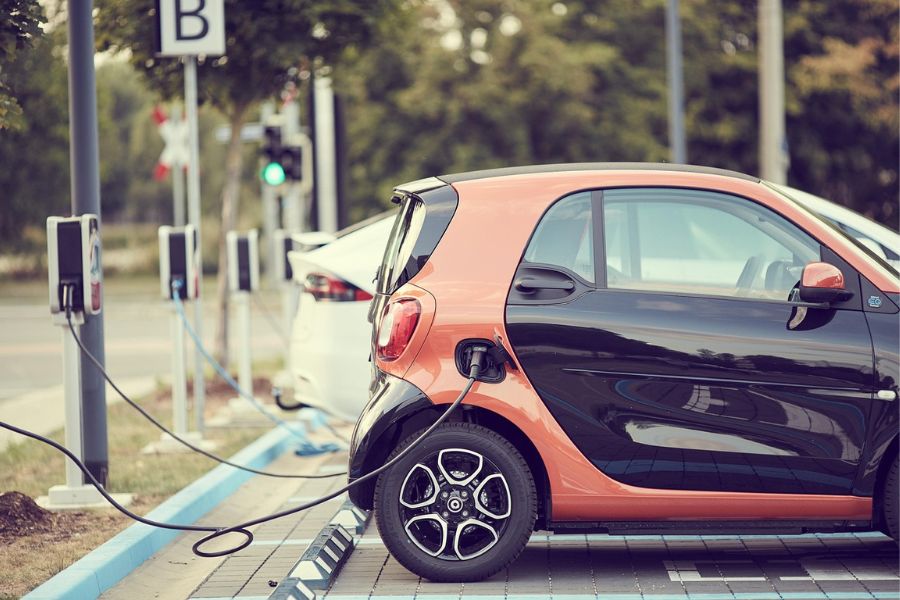
India’s EV market surges in 2025 with 2.3 million sales
In 2025, India’s EV market hit a milestone with 2.3 million units sold, accounting for 8% of new vehicle registrations, driven by policy incentives, improving model availability, and a festive-quarter surge. According to the Annual Report: India EV Market 2025 released by the India Energy Storage Alliance (IESA), electric two-wheelers led the adoption (57%), followed by three-wheelers (35%) and four-wheelers (1.75 lakh units), with early growth in electric goods carriers. Uttar Pradesh, Maharashtra, and Karnataka dominated sales, while states like Delhi, Kerala, Tripura, and Assam posted high EV-to-ICE ratios. The PM e-DRIVE scheme (₹10,900 crore) and the largest-ever electric bus tender further boosted electrification efforts. India’s electric vehicle (EV) market reached a significant inflection point in 2025, with total EV sales rising to 2.3 million units, accounting for around 8% of all new vehicle registrations. According to the Annual Report: India EV Market 2025 by the India Energy Storage Alliance (IESA), based on Vahan Portal data, EV adoption gained steady momentum throughout the year, fueled by policy incentives and a sharp surge in purchases during the festive season. The report noted that electric mobility was consistently supported by central and state initiatives and improved model availability, with the festive-quarter spike providing a significant year-end boost to overall sales volumes. Vehicle segment trends and EV adoption patterns India’s overall automobile market recorded 28.2 million vehicle registrations in 2025, reflecting broadly stable demand across segments. Two-wheelers continued to dominate, with sales exceeding 20 million units and accounting for nearly 72% of total vehicle registrations. Passenger four-wheelers crossed 4.4 million units, while tractors and agricultural vehicles surpassed 1.06 million units, underscoring resilience in rural and farm-linked demand. The report noted that overall vehicle sales growth remained relatively even during the first three quarters, followed by a sharp acceleration in Q4, driven by festive buying, GST-related benefits and year-end consumer demand. Electric two-wheelers remained the backbone of EV adoption, with sales of 1.28 million units, representing 57% of total EV volumes. Electric three-wheelers (L3 and L5 combined) followed with 0.8 million units, accounting for 35% of EV sales. Electric four-wheelers registered sales of about 1.75 lakh units. Within this segment, the report highlighted strong momentum in electric goods carriers, particularly in small and light commercial vehicles, signalling early but meaningful progress in the electrification of logistics and last-mile delivery. State-wise performance and policy support At the state level, Uttar Pradesh emerged as India’s largest EV market in 2025, recording sales of over 4 lakh units, or 18% of national EV volumes. Maharashtra followed with 2.66 lakh units (12%), while Karnataka recorded around 2 lakh units (9%). Together, these three states accounted for more than 40% of total EV sales. As per the report, some states posted higher EV-to-ICE ratios despite lower absolute volumes. Delhi recorded an EV penetration of 14%, Kerala 12% and Goa 11%, while Tripura (18%) and Assam (14%) also reported robust EV-to-ICE ratios in 2025. The IESA report also observed that the electric three-wheeler segment has reached a sufficient level of market maturity, with penetration at around 32%. A key policy milestone during the year was the completion of India’s largest-ever electric bus tender. Convergence Energy Services Limited (CESL) concluded a 10,900 electric bus tender under the Rs 10,900 crore PM E-DRIVE scheme. Notably, the Government of India launched the PM Electric Drive Revolution in Innovative Vehicle Enhancement (PM e-DRIVE) scheme on 29 September 2024 to promote green mobility and strengthen the nation’s EV ecosystem. With a total outlay of ₹10,900 crore for the period 1 April 2024 to 31 March 2026, the scheme fully subsumes the earlier Electric Mobility Promotion Scheme (EMPS 2024). The scheme continues to cover all EV segments, but the government has extended support until 31 March 2028 specifically for e-ambulances and select categories, while incentives for electric two-wheelers (e-2W) and three-wheelers (e-3W) will conclude on 31 March 2026. As of 23 November 2025, a total of ₹1,634.62 crore in subsidies has already been disbursed under the scheme. It is important to note that the Indian electric vehicle market was valued at US$ 8.49 billion in 2024 and is expected to expand at a CAGR of 40.7% between 2025 and 2030, according to a study by Grand View Research. As per the research report, this rapid growth is being driven by government measures, including subsidies and investments in charging infrastructure, aimed at promoting EV adoption. In addition, growing consumer awareness about environmental sustainability and the improving cost-competitiveness of electric vehicles are further boosting demand, positioning India as an emerging leader in the global EV market. Conclusion Overall, 2025 underscored India’s emergence as a fast-maturing EV market, driven by supportive policies, improving infrastructure and growing consumer confidence. Although electric mobility is currently led by two- and three-wheelers, increasing focus on buses and commercial vehicles points to a deeper, system-wide transition. With strong growth prospects and continued policy backing, India’s EV ecosystem is poised for sustained expansion beyond 2025. Read more: India Electric Vehicle Market (2025 – 2030) India’s EV-adoption accelerates with multi-fuel strategy, says IESA E-mobility report India Electric Vehicle Market Overview: 2025-2033 FAQs: How did India’s EV market perform in 2025? India’s EV market recorded sales of 2.3 million units in 2025, accounting for about 8% of all new vehicle registrations. Growth was supported by policy incentives, wider model availability and a strong festive-season surge. Which EV segments drove adoption in 2025? Electric two-wheelers led adoption with 1.28 million units sold, followed by electric three-wheelers at 0.8 million units. Electric four-wheelers saw smaller volumes but showed rising traction in goods carriers and logistics applications. Which states led EV adoption in India? Uttar Pradesh emerged as the largest EV market by volume, followed by Maharashtra and Karnataka. States such as Delhi, Kerala, Tripura and Assam recorded higher EV-to-ICE ratios, indicating deeper penetration despite lower absolute sales. What role did government policy play in EV growth? Government initiatives, particularly the PM e-DRIVE scheme with an outlay of ₹10,900 crore and the largest-ever electric bus tender, played a key
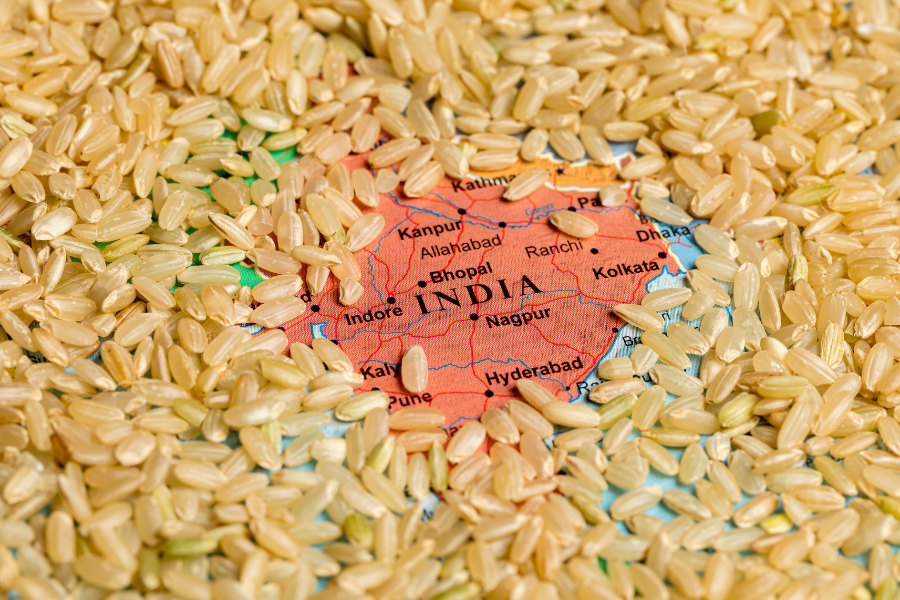
India’s rice exports surge to near-record highs after export curbs lifted
India’s rice exports rebounded sharply last year after New Delhi lifted export restrictions, rising nearly 20% to the second-highest level on record. The surge strengthened India’s position as the world’s largest rice exporter, reshaped global trade flows, and pushed Asian prices to their lowest level in almost a decade. India’s rice exports rose 19.4% last year to the second-highest level on record after the government lifted all export curbs, making shipments more competitive, according to government and industry officials. The improved flow of rice from the world’s largest exporter curbed shipments from rival suppliers such as Thailand and Vietnam and pushed Asian rice prices to their lowest level in nearly a decade. The decline in prices helped ease food costs for consumers in Africa and other import-dependent regions. Government officials said exports rebounded quickly after New Delhi lifted export restrictions in March, supported by record domestic production. As supplies improved, India removed the final export curbs that had been imposed during 2022 and 2023. Total rice exports climbed to 21.55 million metric tonnes from 18.05 million tonnes in 2024, nearing the record high of 22.3 million tonnes achieved in 2022, officials said. Non-basmati rice exports saw the strongest growth, rising 25% to 15.15 million tonnes. Basmati rice shipments increased 8% to a record 6.4 million tonnes, according to government data. Officials said non-basmati rice exports rose sharply to countries such as Bangladesh, Benin, Cameroon, Ivory Coast and Djibouti. At the same time, imports of premium basmati rice increased in markets including Iran, the United Arab Emirates and Britain during the year. India typically exports more rice than the combined shipments of the world’s next three largest exporters – Thailand, Vietnam and Pakistan—underscoring its dominant position in global rice trade. Industry executives said Indian rice remained highly competitive compared with supplies from other exporting countries, with lower prices helping India regain lost market share, particularly after the removal of export restrictions.
Where Legacy Meets Global Appetite, inside Bhikharam Chandmal’s 150-year old journey
With roots tracing back nearly 170 years, Bhikharam Chandmal is more than a namkeen brand—it is a cornerstone of India’s traditional snacking heritage. From pioneering Bikaneri Bhujia to shaping generations of authentic Indian snacks and sweets, the brand has stood the test of time by staying true to real ingredients, deep agricultural understanding, and uncompromising taste. In this conversation with IBT, Ashish Agarwal, Chairman Bhikharam Chandmal, who leads the legacy into its next phase of global growth, shares how tradition and innovation coexist at Bhikharam Chandmal, why Indian snacks are poised for worldwide success, and how platforms like Indusfood are helping position India as a true global food powerhouse. As Chair of TPCI’s West Zone Regional Committee for Snack Processing, he also discusses how the industry at large can raise its profile and global presence. IBT: Bhikharam Chandmal is one of India’s most iconic Namkeen houses. So what does it mean for a century old brand to represent India at a global platform like Indusfood? Ashish Agarwal: Bhikharam Chandmal’s story goes back far beyond a century—nearly 150–170 years—when Bhikharamji transformed traditional family-made bhujiya into a commercial pursuit. That small ambition laid the foundation for a global power brand from India’s namkeen industry. This deep-rooted understanding of raw materials, processes, and people gives us a natural edge in the snack industry. Having evolved from a small household operation to a leading namkeen and sweets brand, our journey reflects both continuity and scale. I take immense pride in being part of this legacy and in leading the brand into the 21st century. For legacy brands, history is both a strength and a challenge. While tradition gives you credibility, evolving mindsets is essential. Our association with Indusfood has played a vital role in that evolution—encouraging us to keep improving, adapting, and thinking beyond our own growth, towards contributing to India’s food ecosystem at large. Indusfood offers a unique window to the world while being rooted in India. Over the past several years, it has reinforced my belief that India is truly a global food powerhouse—capable of producing what the world eats and aspires to eat. Bhikharam Chandmal aims to stay at the forefront of this journey, continuously evolving while proudly representing India on the global stage. IBT: So your products carry a legacy, as you said, of over 150 years. But how do you ensure this consistency, authenticity and quality at scale, while expanding into modern retail and international markets? Ashish Agarwal: Being a legacy brand gives us the advantage of generations working together, where knowledge is passed on through practice, not classrooms. In food, especially snacks and sweets, everything begins with agri value addition—understanding raw materials, crop cycles, seasonality, and origin. That depth of understanding is critical to delivering consistency and authenticity at scale. For us, quality starts at the source. If a product’s colour and flavour come from chilli, then that chilli must come from the right origin—because ingredients from different regions behave differently. This clarity comes from decades of experimentation. Legacy, for us, is accumulated learning, and it keeps our appetite for testing, listening to farmers, and refining processes very high. There’s also a belief we strongly relate to—often attributed to Steve Jobs: create what you genuinely believe in, present it honestly to the world, and like-minded customers will follow. We apply the same thinking to food. We don’t chase trends. A product must first earn respect within our own family. If we don’t love its taste or can’t do justice to it, we don’t launch it. You can’t control what nature produces, but you can understand it and use it wisely. As we expand into modern retail and international markets, this philosophy guides everything—from vendor selection to sourcing and quality checks—helping us maintain taste, authenticity, and consistency, no matter how large we grow. IBT: Indusfood attracts buyers from 100 plus countries. Which markets are you excited about most this year? Where do you see the strongest demand for traditional Indian snacks? Ashish Agarwal: Over the past 10–15 years, Indian food has gained strong global recognition. Food, in many ways, is what truly connects people across borders. Wherever you travel, a shared appreciation for food opens conversations and builds familiarity—and Indian food does that exceptionally well. India’s diversity is a natural advantage. With multiple climatic zones and a rich agricultural base, we offer an unmatched range of flavours and snack traditions to the world. As Indian snacks enter the global mainstream, we are learning local preferences while retaining the soul of the Indian palate. The approach is simple: stay authentic, but adapt thoughtfully to regional tastes. Indian snack categories are already well established in markets such as the US, Canada, Australia, New Zealand, and the GCC. This year, I’m particularly excited about deeper engagement with CIS countries, where Indian food enjoys strong cultural acceptance and goodwill, and where we see significant untapped business potential. Another region I’m keenly watching is Latin America. The climatic similarities, agricultural practices, and familiarity with bold flavours make it a natural fit for Indian snacks. With more interaction and sampling, I believe these markets will respond very positively. Indusfood provides a powerful platform to connect with buyers from every corner of the world—allowing them to experience Indian snacks firsthand. While we welcome interest from all markets, these regions represent exciting growth opportunities for us this year. IBT: What unique strengths or capabilities do you believe set your brand apart for international buyers exploring Indian namkeen? Ashish Agarwal: What truly sets Bhikharam Chandmal apart is the era we come from. The name itself belongs to a time very different from today—a reminder of how far back our roots go and how deep our legacy runs. Our journey began in an age when food was made without substitutes or shortcuts. Snacks and sweets were crafted directly from agricultural produce, whole pulses, and real spices, and that philosophy continues to guide us even now. Over the years, Bhikharam Chandmal has also been the foundation from which several iconic namkeen brands have emerged,
“How hygienic vibratory systems are improving line performance.”
Founded in 2017, Shri Vibracion Technologies has steadily carved a niche in India’s material handling landscape with its focus on hygienic, efficient and application-driven solutions. The company addresses critical challenges such as product breakage, cleaning complexity and energy efficiency across food, dairy, pharma and packaging sectors. In this interview, Mr Chetan Dakhore, Founder of Shri Vibracion Pvt Ltd, shares insights into the company’s journey, its technology-driven approach to safer and smarter production lines, sustainability focus, customer-centric philosophy, and plans for Indusfood Manufacturing 2026. IBT: Shri Vibracion started in 2017 and has grown steadily in the material handling space. What was the main idea behind starting the company, and how has the journey been so far? Chetan Dakhore: Founded in 2017, Shri Vibracion emerged to solve critical gaps in conventional material handling systems, including hygiene concerns, product breakage, and operational inefficiencies. The company’s core idea was to engineer reliable, low-maintenance equipment tailored to real process conditions. With a strong emphasis on design excellence, application knowledge, and continuous improvement, Shri Vibracion has progressed steadily. What began as a small engineering-driven venture now supports processors across India and global markets. Today, the company is recognized for its robust material handling solutions, process-oriented designs, and commitment to performance, reliability, and customer satisfaction. IBT: Your equipment serves industries like snacks, dairy, pharma, and packaging. How do you ensure your systems meet each industry’s hygiene and performance needs? Chetan Dakhore: Different industries demand different solutions, so the company designs its solutions with application-specific engineering. In snacks and potato processing, gentle conveying and low breakage are essential. Dairy and pharma require stainless-steel construction, smooth edges, and easy cleaning. Packaging lines depend on accuracy and seamless integration. Shri Vibracion meets hygiene needs through open profiles, tool-free cleaning, CIP-ready options and certified food-grade materials. Performance is ensured with tuned vibratory drives, controlled product flow and low-friction surfaces. Constant collaboration with customer teams, trials and feedback helps refine every machine. This ensures reliability, easy maintenance and consistent compliance with hygiene standards. IBT: How is Shri Vibracion using technology and innovation to make production lines more efficient and safe? Chetan Dakhore: At Shri Vibracion Technologies, innovation focuses on making production lines faster, safer and more predictable. The equipment is engineered with vibration tuning, advanced isolators and smart flow control to maintain stable product movement and reduce manual handling. Integrated sensors and controls help monitor speed, vibration health and production data, enabling preventive maintenance and minimising downtime. Automation-ready designs allow smooth integration with upstream and downstream machinery. Hygienic structures, simple washdown and fewer crevices ensure better safety for operators and food products. Every innovation aims to deliver practical results—lower stoppages, easier cleaning, reduced labour and smoother, continuous plant operations. IBT: Energy efficiency is becoming important for manufacturers. How do your products help reduce power use and promote sustainability? Chetan Dakhore: Energy efficiency is built into every system the company manufactures. Vibratory drives consume significantly less power than traditional mechanical conveyors while still delivering high throughput. Lightweight frames, optimised flow paths and efficient motors reduce loading and current draw. Hygienic design also shortens cleaning cycles, decreasing water and energy usage. With fewer moving parts, the machines experience less wear, resulting in longer life and lower total maintenance costs. Durable materials, modular construction and easy serviceability further reduce long-term waste. For customers, this translates to lower operating expenses, a reduced carbon footprint and more sustainable production without sacrificing performance. IBT: Building long-term customer trust is key to your success. How do you maintain quality, reliability, and timely delivery? Chetan Dakhore: Building customer trust begins with consistent quality. Shri Vibracion Technologies follows a structured workflow that includes requirement study, trials, engineering validation and strict quality checks before dispatch. Standardised components, in-house fabrication and skilled technicians ensure machines remain reliable and simple to maintain. Delivery timelines are managed through careful planning, stocked parts and strong supplier support. Service teams provide installation, training and ongoing assistance. The company focuses on long-term partnerships rather than one-time sales. Transparent communication, fair pricing and responsive after-sales service give customers confidence. This commitment has resulted in repeat orders and a strong reputation across the industry. IBT: How do your technologies help drive success in the food processing industry? Which key segments do you serve? Also please cite some examples of how your solutions have been helpful for your clients in the industry Chetan Dakhore: Shri Vibracion technologies support food processors by improving hygiene, reducing breakage and enhancing overall line efficiency. Key segments include potato processing, snacks, namkeen, frozen foods, seasoning applications, dairy ingredients and ready-to-eat lines. The equipment is used for conveying, feeding, grading, spreading and distribution. Clients have experienced smoother product flow, lower manual handling and increased throughput. For example, potato processors reported cleaner lines with significantly reduced product damage, while snack manufacturers achieved more accurate seasoning and faster packaging speeds. Frozen food plants benefited from hygienic conveyors that withstand frequent washdowns. These real results help boost customer productivity and profitability. IBT: What will Shri Vibracion showcase at Indusfood Manufacturing 2026, and how do you see this event helping your company grow further? Chetan Dakhore: At Indusfood Manufacturing 2026, Shri Vibracion Technologies will present its hygienic vibratory conveyors, feeders, distribution systems and specialised food-processing solutions. The focus will be on low-maintenance, easy-to-clean equipment that ensures consistent and reliable performance. The exhibition offers a great opportunity to interact with decision-makers, understand upcoming projects and build new partnerships. Live discussions and demos will highlight advantages such as reduced breakage, faster changeovers and higher uptime. Participation will also strengthen brand presence among processors, OEMs and system integrators. Overall, the event will help expand networks, generate quality enquiries and support the company’s continued growth in domestic and export markets.
“Packaging innovation today Is about systems, not standalone machines.”
MAMATA Machinery is a global leader in flexible packaging solutions, known for its vertically integrated capabilities spanning film extrusion, converting, primary packaging, and secondary automation. In this interview, Mr. V. Rajashekhar, President, MAMATA Machinery, explains how the company continues to innovate through proprietary engineering, modular servo-driven platforms, and deep material science expertise. He shares insights on MAMATA’s global manufacturing strategy, customer-centric R&D model, readiness for recyclable mono-materials, and resilience amid supply chain volatility, while outlining the company’s vision for sustainable packaging and its participation at Indusfood Manufacturing 2026. IBT: How is MAMATA Machinery continuing to innovate in flexible packaging machinery, and what emerging technologies are you focusing on to maintain your competitive edge in global markets? V Rajashekhar: MAMATA’s innovation strategy is built on technology integration, modular design, proprietary engineering, and deep expertise in flexible film materials. Its key differentiator is end-to-end capability across the entire flexible packaging value chain—from film extrusion and converting to primary and secondary packaging—enabling customers to work with a single technology partner. The company offers one of the most comprehensive packaging machinery portfolios globally, including VFFS and HFFS systems, Pick-Fill-Seal platforms, multitrack sachet and stick-pack machines, and high-speed secondary automation. All machines are based on modular, servo-driven architectures that deliver high throughput, faster changeovers, superior accuracy, and lower operating costs, with guaranteed uptime and OEE above 95%. Designed and engineered entirely in-house, MAMATA’s proprietary sealing, film-handling, and motion-control technologies ensure zero seal failures, minimal waste, and consistent performance at high speeds. Its machines are optimized for recyclable mono-materials such as mono-PE and BOPE and are Industry 4.0 ready, with remote diagnostics, predictive maintenance, and seamless MES integration. IBT: With operations in India and two facilities in the USA (Illinois and Florida), plus customers in over 75 countries, how do you balance localized manufacturing with global standardization? What are your strategic priorities for expanding MAMATA’s footprint in key international markets? V. Rajashekhar: MAMATA balances global scale with local responsiveness through centralized R&D, standardized platforms, and uniform engineering governed by global manufacturing standards. India serves as the core R&D and innovation hub, supported by cost-efficient manufacturing that strengthens global competitiveness. Common CAD libraries, shared PLM systems, and standardized control software ensure every machine—whether built in India or the US—operates on identical logic, diagnostics, and Industry 4.0 protocols, with centralized release management preventing design drift. Strategically, MAMATA is deepening its presence in India and the US, followed by expansion across Russia-CIS, Africa, the Middle East, and Europe, offering customers end-to-end primary and secondary packaging solutions. IBT: How is MAMATA Machinery adapting its product portfolio—from bag-making machines to HFFS and co- extrusion blown film plants—to address these changing customer requirements? V. Rajashekhar: MAMATA has adapted its portfolio by modernizing bag-making platforms to produce retort pouches, e-commerce bags, zipper pouches, and PE monolayer stand-up pouches. Servo-driven modularity allows customers to configure machines based on SKUs, batch sizes, and sustainability requirements, while inline inspection, digital registration, and faster changeovers support shorter production runs. Its HFFS platforms feature advanced sealing technologies for mono-materials, zipper packs, portion packs, and liquid-fill applications, with UL and CE compliance for the US and EU markets and localized assembly in Illinois and Florida. CAT3-enabled machines support remote diagnostics and virtual installations. MAMATA has also expanded its film capabilities with 5-, 7-, and 9-layer co-extrusion lines for recyclable mono-PE laminates, high-barrier films, BOPE-compatible structures, and ultra-thin, high-strength films—uniquely offering turnkey film extrusion, converting, and packaging solutions that reduce risk and accelerate the shift to recyclability. IBT: With recent supply chain disruptions and material price fluctuations affecting the manufacturing sector, what strategies has MAMATA implemented to ensure consistent quality, timely delivery, and cost competitiveness for your customers worldwide? V Rajashekhar: MAMATA has built a resilient, multi-layered supply chain and manufacturing framework to navigate global market volatility while consistently delivering high-quality machines on time and at competitive cost. The approach combines just-in-time production, deeper vertical integration, strong vendor partnerships, and digital supply chain visibility. By balancing global standardization with local responsiveness, MAMATA ensures reliable delivery schedules, consistent global quality, and dependable access to spares and service—even in uncertain conditions. This built-in resilience across supply chain, manufacturing, and digital systems reinforces MAMATA’s commitment to uninterrupted value and superior performance for customers worldwide. IBT: MAMATA Machinery is known for customized systems and strong R&D capabilities. How do you collaborate with clients to develop solutions that deliver a competitive edge in their markets? V Rajashekhar: Most OEMs design a machine and then look for customers. MAMATA reverses this approach by starting with the customer’s market challenge. The company follows a structured six-step co-design workflow that begins with clearly defining performance needs such as speed, sealing, film type, hygiene, format, and space. This is followed by detailed application studies, digital simulations and concept validation, prototyping and pilot trials, scale-up engineering, and on-site validation through commissioning, training, and optimization. This collaborative process ensures alignment on performance metrics from day one. Every R&D project is driven by measurable business outcomes, not technical novelty, giving customers true ownership of the solution and tangible productivity gains. IBT: What initiatives has MAMATA Machinery undertaken to help customers transition to sustainable packaging solutions? How are your machines designed to support recyclable materials, reduce material waste, and improve energy efficiency? V Rajashekhar: As global markets move away from multilayer laminates toward mono-PE, BOPE, and recycle-ready PE films, MAMATA has re-engineered sealing, forming, and tension-control systems across all platforms, including VFFS, HFFS, Pick-Fill-Seal, multitrack, and bag- and pouch-making machines. The company is at the forefront of sustainable film development through advanced co-extrusion technologies, with 5-, 7-, and 9-layer blown film lines that enable customers to produce recyclable films optimized to run efficiently on MAMATA machines. Unlike machine-only OEMs, MAMATA designs film extrusion, converting, and packaging systems, giving it a 360-degree understanding of plastic rheology across the entire process chain—from extrusion to secondary automation. This insight drives proprietary sealing modules, advanced temperature management, improved web handling, and defect-reduction algorithms that allow thinner gauges, ensure 100% seal integrity at high speeds, and eliminate product-in-seal.
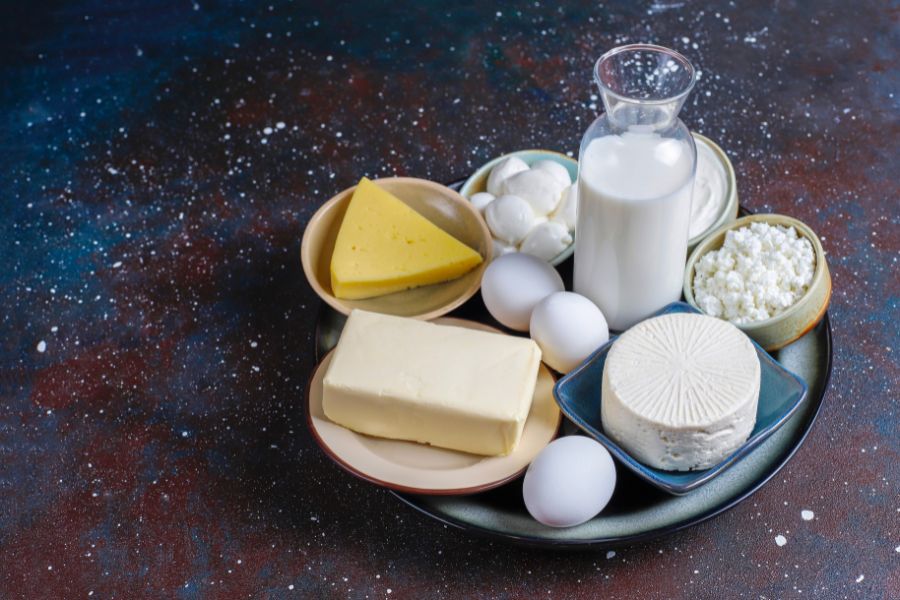
From volume to value: India’s dairy moment
India is the world’s largest milk producer, yet global leadership in dairy depends on competitiveness, not volume alone. As global demand rises, the sector must shift its focus to productivity, technology-driven systems, export readiness, and sustainable supply chains. With the right policy support and innovation ecosystem, India has the opportunity to evolve from a volume leader into the world’s supplier of choice for dairy products. For six decades, India and the world have lived through a quiet miracle: food systems that expanded just fast enough to keep hunger at bay. Between 1960 and today, the global population grew 2.6 times, while food production rose even faster. Wheat and rice more than tripled. Fruits and vegetables increased fivefold. Egg production surged sixfold. Even milk output managed to keep pace with population growth. This success did more than fill plates — it helped avert conflict. Hunger fuels unrest; food security sustains peace. India played a central role in this transformation. Whether rice, wheat, sugar, potatoes, or milk, India is either the largest or second-largest producer globally. In dairy alone, India contributes nearly one-fourth of global milk output — more than the US and the EU combined. Yet the obvious question remains: if we produce so much, why aren’t we a global dairy powerhouse? The answer lies in productivity. India leads in volume but remains far below global benchmarks in per-animal yield. Global markets reward consistency, quality, and standards — outcomes driven by genetics, feed science, supply-chain discipline, and digital intelligence, not by simply expanding herd size. If India wants to lead, it must compete not with more animals, but with better systems. Technology will define this transition. IoT-based herd monitoring, precision feeding, AI-driven breeding, and QR-enabled consumer traceability are no longer futuristic concepts; they are already shaping the next dairy revolution. The next leap in dairy will not come from producing more milk, but from using better data. India’s dairy sector supports over 80 million households, making it the world’s largest livelihood ecosystem. This explains why dairy has remained outside most free trade agreements and why tariff debates — whether driven by US policy cycles or shifting geopolitics — remain sensitive. Protection, however, cannot be a permanent strategy. It is a bridge. The objective is not insulation, but global competitiveness — entering markets from a position of strength, not fear. Achieving this requires scale, export readiness, and a supportive ecosystem. A national dairy export policy aligned with WTO norms is long overdue. India needs export clusters, certification laboratories, and a dedicated institutional body for market intelligence and global branding. In dairy, time is everything. The clock starts ticking the moment milk is drawn. Logistics is not a back-end function; it determines quality, safety, and farmer income. Countries that mastered the cold chain mastered dairy. India must now move beyond basic chilling to integrated, energy-efficient, digital supply chains that track milk from udder to shelf. Renewable energy, biogas, water recycling, and carbon-efficient processing systems should become standard practice. Sustainability is no longer a CSR commitment — it is a business imperative. For years, dairy was seen as traditional, even static. Today, it is one of India’s most innovation-hungry sectors. The next wave of startups may not emerge from urban tech hubs, but from rural India — applying AI to feed optimisation, building premium regional dairy brands, creating D2C platforms, or developing sensors that guarantee milk quality. Incubators, blended finance, cooperative partnerships, and industry–academia collaboration will determine how quickly this ecosystem scales. Globally, demand is far from saturated. Dairy consumption is rising across South Asia, the Middle East, Africa, and ASEAN — regions where Indian products are both culturally aligned and cost-competitive. While India already exports ghee, paneer, SMP, and traditional products, these flows remain largely opportunistic rather than strategic. With targeted investments, India can also build strength in high-value segments such as whey protein, infant-grade lactose, and specialty cheeses — areas where imports still dominate but domestic capability is beginning to emerge. The message is clear: India must evolve from being the world’s largest producer of milk to becoming the supplier of choice for the world. The Road to 2047: What India Must Get Right By the time India completes 100 years of independence, our dairy sector should reflect three pillars: 1. Quality that rivals the best in the world: Not just safe milk, but branded, traceable, value-added products with global consistency. 2. Sustainability embedded end-to-end: Higher yield with lower emissions; better manure economics; circular processing systems. 3. Technology that transforms the grassroots: A digitally empowered farmer who knows her herd’s health, feed, price discovery, and market access in real time. If we do this, dairy can become one of India’s greatest soft-power assets — much like yoga, Ayurveda, and IT. Where the dairy sector stands today and what must happen next? India’s dairy sector stands at a critical inflection point. While the country has built the world’s largest milk ecosystem by volume, the next phase of growth must focus on formalising value, not just scaling output. Today, the organised sector handles roughly 140 million litres of milk every day, while the unorganised sector processes nearly twice that amount. The path forward is not about displacing this vast informal network, but integrating it—bringing quality, traceability, and market access together without breaking the rural backbone that sustains dairy livelihoods. Equally important is a renewed commitment to science-led farming. Productivity and quality can no longer be treated as separate goals. Advances in breeding, balanced feed, clean water access, mineral nutrition, manure management, and early-stage chilling are just as critical as digital tools and data systems. Without strengthening the farm-level fundamentals, scale alone will not deliver competitiveness or sustainability. Capital is the next missing link. Despite being the world’s largest dairy ecosystem, the sector remains under-served by long-term, patient investment. What it needs is blended finance, clearer policy signals, scalable infrastructure, and greater visibility for investors. World-class dairy systems require world-class capital frameworks—and India deserves nothing less. Finally, India must articulate a unified national identity
Private labels are becoming increasingly important for us: Pankaj Sajnani, Choithrams
Pankaj Sajnani, Commercial Head- GCC Grocery Food & Frozen, Choithrams, one of the UAE’s most respected retail groups, shares how the company is navigating a fast-evolving food market. He also discusses Choithrams’ growth strategy for 2026, key consumer trends shaping retail decisions, high-potential product categories, and what Indian suppliers need to succeed in the GCC retail ecosystem. IBT: Choithrams has been an iconic name in UAE retail case, how would you describe your current expansion focus and what’s driving your growth strategy for 2026 Pankaj Sajnani: Choithrams continues to strengthen its presence across key communities, with a clear focus on neighbourhood convenience and an enhanced customer experience. Our growth strategy for 2026 is anchored in data-led assortment planning, deeper digital integration, and a robust omnichannel approach. We are also expanding our fresh and health-focused offerings to align with evolving consumer preferences and lifestyles. IBT: With UAE being one of the world’s most dynamic food markets. What do you feel are the most influential customer trends driving your decisions as a retailer? Pankaj Sajnani: Indeed, the UAE food market is evolving rapidly, with consumers increasingly seeking healthier, more convenient, and premium food choices. Alongside this, a growing interest in global flavours—especially within the “better-for-you” segment—is strongly shaping our assortment and buying decisions today. IBT: Which product categories would you define as very high potential areas for you in the coming year? Pankaj Sajnani: Based on our data insights, health and wellness stands out as a high-potential category, driven by the rise of better-for-you snacking and premium, gourmet offerings. Sustainability-led household products and clean-label ranges are also showing strong promise. In addition, world food specialties are emerging as important growth drivers for the coming year. IBT: India, of course, is a strong sourcing destination for Choithrams. So, what do you see as the biggest untapped opportunities for Indian suppliers in the UAE market. Pankaj Sajnani: India remains a strong sourcing destination for Choithrams, with significant untapped opportunities in staples, authentic and region-specific specialties, and innovative, health-oriented products. For Indian suppliers, consistent quality and reliability, supported by a robust supply chain, will be critical to unlocking sustainable growth in the UAE market. IBT: When you engage with new companies in Indian brands or manufacturing companies, how do you assess whether the supplier is ready for global retail operations. Pankaj Sajnani: We assess global readiness through robust quality standards, strong compliance certifications, and reliable supply chain capabilities. Clear branding, consistent product quality, well-developed packaging, and preparedness with international documentation are also key indicators of a supplier’s readiness for global retail operations. IBT: What will be your key priorities at Indusfood 2026? Pankaj Sajnani: At Indusfood 2026, our priority will be to discover innovative products and engage with high-potential brands that can strengthen and diversify our future assortments. We will also actively explore private-label opportunities and build strong, long-term partnerships with suppliers. Private labels are increasingly important for us as we develop competitive “fighter brands” alongside national brands. Given our dual capabilities across retail and distribution in the GCC, we will evaluate opportunities from both perspectives, assessing products that can scale across multiple markets and channels. IBT: For exhibitors meeting you, what should they come equipped with so that the conversation is impactful and constructive? Pankaj Sajnani: Exhibitors should come well prepared with accurate and complete product details, including barcodes, packaging specifications, competitive pricing, and the required certifications in line with UAE compliance norms. Product samples, where possible, are highly recommended. They should also be ready to discuss supply capacity, consistency, and their ability to build a long-term partnership. Having these elements in place ensures the discussion is focused, constructive, and truly productive. IBT: Any message you would like to offer to Indian exporters who want to export to the GCC region? Pankaj Sajnani: For Indian exporters looking at the GCC, the fundamentals remain clear: uncompromising quality, consistency, and a reliable supply chain are critical to success in the region’s retail markets. A strong understanding of local regulations and compliance requirements is equally important. Exporters should also be prepared with innovative offerings that reflect evolving retailer expectations and regional consumer preferences. Sustainability is becoming increasingly relevant, but above all, consistency in supply and performance is what builds trust and enables long-term growth in the GCC.
India’s data center boom: Building the future, testing the grid
India is building one of the world’s fastest-growing data center networks. With over 850 million internet users, UPI hitting 10 billion monthly transactions, and AI adoption accelerating across sectors, demand for digital infrastructure has exploded. CRISIL estimates India’s data center capacity will double to 2.5 GW by FY28, while Colliers projects a tripling by 2030—an expansion backed by giants like Reliance, Adani, Yotta and NTT. But behind this extraordinary rise lies a tougher question India can’t ignore: can the country’s power system support the digital backbone it’s racing to build? India is in the middle of a digital explosion. With over 850 million internet users and UPI crossing 10 billion transactions a month, the country’s appetite for data has never been bigger. Behind this surge lies an infrastructure quietly becoming the backbone of everyday life—data centers. And their growth is staggering. CRISIL expects India’s capacity to double to 2.3–2.5 GW by FY28, while Colliers projects it could triple by 2030, making India one of the world’s fastest-growing data center markets. Backed by massive investments from Reliance, Adani, Yotta, NTT and policy incentives under the Draft National Data Centre Policy 2025, the sector is scaling at unprecedented speed. But this boom comes with a challenge: can India’s power system keep up? Data centers are energy-hungry. Globally, they consumed 448 TWh of power in 2025—a figure Gartner says will double by 2030, driven largely by AI-heavy workloads. The Ministry of Power estimates Indian data centers could take up 5–6% of national electricity demand by 2030, in a grid still dominated by coal and uneven renewable supply. India’s digital ambitions and its energy readiness are now deeply intertwined. The question is no longer whether India can build data centers—but whether it can power them. Current (2023–24) Projection (2027–30) Source Installed Capacity ~870 MW 2,500 MW by 2027 CRISIL Ratings Revenue ₹11,000 crore ₹20,000 crore by FY28 CRISIL Ratings Market Size $5–6 billion $15 billion by 2030 Colliers Share of Global Demand <2% 5–6% by 2030 Gartner Table 1: India’s Data Center Growth Trajectory Data center growth trajectory India’s data center industry is no longer confined to a handful of server farms in Mumbai or Bengaluru—it is rapidly evolving into a nationwide infrastructure backbone. According to Colliers India (2025), the country’s installed data center capacity stood at approximately 870 MW in 2024, and is projected to reach 2,500 MW by 2027, before tripling to 4.5 GW by 2030. This trajectory places India among the fastest-growing data center markets globally, second only to China in Asia. The growth is geographically concentrated but diversifying. Mumbai remains the largest hub, accounting for nearly 50% of current capacity, thanks to its submarine cable landing stations and proximity to financial institutions. Chennai is emerging as the next big hub, with hyperscale investments driven by its coastal connectivity and availability of land. Hyderabad and Bengaluru are leveraging their IT ecosystems, while Delhi NCR is attracting investments due to government demand and enterprise clusters. Private sector participation is driving this expansion. Reliance Jio has announced plans for multiple hyperscale facilities, while AdaniConneX (a joint venture with EdgeConneX) is building greenfield data centers across Chennai, Noida, and Hyderabad. NTT India and Yotta Infrastructure are also scaling aggressively, with Yotta’s Greater Noida facility alone designed for 30,000 racks and 200 MW IT load. Government policy is acting as a catalyst. The Draft National Data Centre Policy 2025 proposes 20-year tax exemptions, single-window clearances, and incentives for renewable energy integration. States like Tamil Nadu, Maharashtra, and Telangana have rolled out their own data center policies, offering land at concessional rates and subsidized power tariffs. This combination of private capital and policy support is creating a robust pipeline. As per CRISIL Ratings, India’s data center industry is expected to attract ₹45,000–50,000 crore in investments by FY28, with annual revenues crossing ₹20,000 crore. The trajectory is clear: India is positioning itself as a global hub for digital infrastructure, but the sustainability of this growth hinges on energy preparedness—a theme we will explore in the next section. Region / City Share of Capacity (%) Key Drivers Mumbai ~50% Submarine cables, BFSI demand, hyperscale hubs Chennai ~20% Coastal connectivity, hyperscale investments Hyderabad ~10% IT ecosystem, land availability Bengaluru ~10% Tech clusters, enterprise demand Delhi NCR ~8% Government demand, enterprise clusters Others (Pune, Kochi, Ahmedabad) ~2% Emerging secondary hubs Table 2: Regional Distribution of Data Center Capacity (2024–25) *Sources: Colliers India, CRISIL Ratings, IBEF (2025) Energy demand projections India’s data center boom is ultimately a story about electricity. These facilities are among the most energy-intensive assets, running servers and cooling systems 24/7. Globally, data centers consumed 448 TWh of power in 2025, a number Gartner expects to more than double to 980 TWh by 2030—driven largely by AI-optimized servers. India is following the same trajectory. The Ministry of Power projects that data centers could account for 5–6% of India’s total electricity demand by 2030, up from under 2% today, at a time when national power demand is already rising 6–7% annually. The scale of consumption is staggering. A single hyperscale facility can draw 100–200 MW—enough to power a mid-sized city. With capacity expected to reach 2.5 GW by 2027 (CRISIL Ratings), the load on the grid will intensify, especially in hubs like Mumbai and Chennai where transmission networks are already stretched. Cooling further complicates the picture. CEA estimates show cooling systems account for 30–40% of total energy use, and water-heavy cooling could strain resources in states like Tamil Nadu and Maharashtra. India’s dependence on coal—over 70% of generation—adds sustainability concerns. While renewable capacity is growing, integration into data center operations remains uneven. Some players, such as AdaniConneX and Yotta, are exploring solar-wind hybrid PPAs, but widespread adoption is still limited. The real challenge isn’t whether India can meet future power demand—it’s whether it can meet it sustainably. Without faster renewable integration, smarter grids, and energy-efficient cooling, the data center boom risks becoming an energy burden rather than a digital advantage. Indicator Current (2024–25) Projection (2030) Source Share