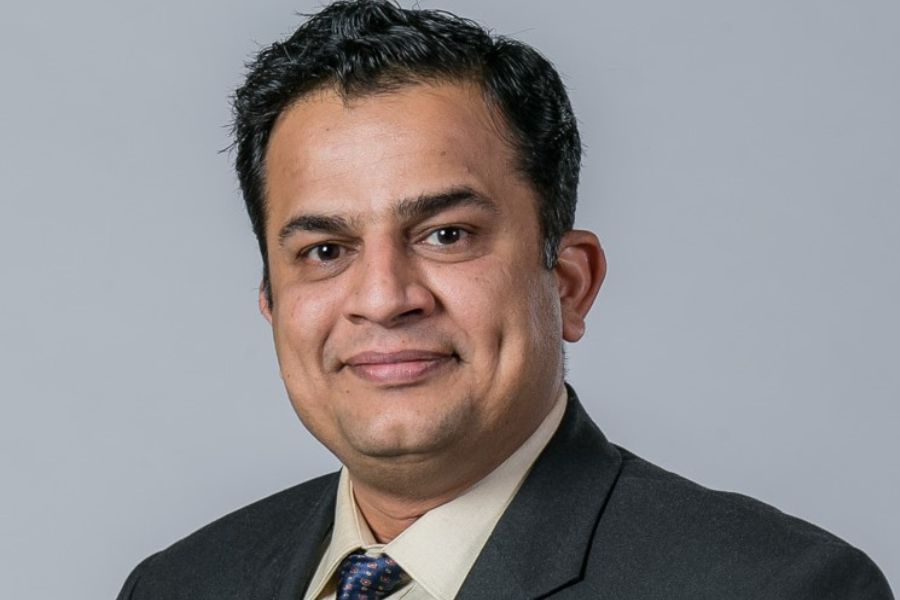
As South Asia’s food processing industry undergoes rapid transformation, global technology leaders are increasingly investing in localized solutions to meet regional demands. JBT Marel’s recent establishment of a Global Production Center in Pune marks a significant milestone in this shift. In this exclusive conversation, Vikram Mulmule, VP of Sales and Operations at JBT Marel, shares insights on how the company is tailoring advanced FoodTech and automated systems for diverse South Asian markets. From addressing food safety and sustainability challenges to capitalizing on growth opportunities in ready-to-eat foods and poultry processing, Mulmule discusses JBT Marel’s strategy for driving innovation and collaboration across the region. IBT: How do you tailor JBT Marel’s global FoodTech and Automated Systems solutions to meet the unique needs and market realities of the South Asia subcontinent — especially in diverse markets like India, Bangladesh and Sri Lanka? Vikram Mulmule: At JBT Marel, we recognize the unique dynamics of the South Asian market, including India, Bangladesh, and Sri Lanka. Our approach is deeply rooted in understanding local needs and regulatory landscapes. We customize our FoodTech and Automated Systems solutions to align with regional demands, ensuring our technologies can handle local food products and operational practices. By partnering with local companies and institutions, we enhance our market presence and foster innovation tailored to regional conditions. Our commitment extends to offering comprehensive training and support, empowering local operators with the skills needed to maximize our technologies’ benefits. The opening of our Global Production Center (GPC) in Pune, India, further strengthens our ability to serve the South Asian market. This facility acts as a hub for innovation and collaboration, allowing us to develop and test solutions that meet local requirements. It enhances our capacity to deliver sustainable, efficient, and culturally sensitive solutions, driving growth and innovation across the region. IBT: What impact do you expect the new India-based GPC to have on lead times, cost-efficiency, after-sales service and customer support across South Asia? Vikram Mulmule: The Global Production Center (GPC) in Pune is a strategic investment designed to transform how we serve South Asia. By localizing testing, validation, and process optimization, we significantly reduce lead times—customers no longer need to ship products overseas for trials & validation. This accelerates decision-making and implementation. Cost-efficiency improves because we can tailor solutions locally, minimizing logistics and customization expenses. The GPC also strengthens after-sales service: our regional experts provide hands-on support, troubleshooting, and operator training right here in India, ensuring faster response times and higher uptime. Finally, customer support becomes more collaborative. The GPC acts as an innovation hub where we can co-develop solutions with direct processors and validate recipes, optimize production lines under real market conditions. This proximity and partnership approach will help South Asian food processors adopt advanced technologies with more confidence and trust. Frigoscandia – ©FloFreeze Freezer (True Fluidized Bed Freezer) IBT: How is JBT Marel leveraging its technology and service offerings in South Asia to address challenges of food safety, yield optimization and sustainability — and what are the biggest obstacles you encounter? Vikram Mulmule: JBT Marel is tackling South Asia’s food industry challenges through advanced technology and localized service. Food safety is non-negotiable, so we integrate automated hygiene controls, traceability systems, and precision processing to meet stringent standards. Yield optimization is driven by smart equipment that minimizes waste and maximizes throughput—even with variable raw material quality common in the region. Our efficient freezing solutions, including high-performance spiral, IQF’s and impingement freezers, lock in product quality and reduce drip loss, ensuring superior yield and shelf life. Sustainability is embedded in our designs – energy-efficient systems, water-saving technologies, and carbon-reducing solutions are central to our offerings. The Global Process Center (GPC) in Pune strengthens this approach by enabling local trials, recipe validation, and process optimization. Combined with Innova software for real-time data insights and PROCARE Service ARC for proactive maintenance, we deliver end-to-end solutions that empower South Asian processors to achieve safety, efficiency, and sustainability. IBT: Which segments — e.g. meat/meat-processing, ready-to-eat, fruit/vegetable processing, beverages — do you see as the fastest growth opportunities in South Asia over the next 3–5 years, and why? Vikram Mulmule: In South Asia, several food processing segments are poised for substantial growth over the next 3-5 years, driven by evolving consumer preferences and economic development. The Ready-to-Eat (RTE) foods segment is experiencing rapid expansion, fueled by fast-paced urban lifestyles and increasing disposable incomes. Consumers are seeking convenient meal solutions, making RTE foods a prime area for growth. JBT Marel’s innovative packaging and preservation technologies support this growth which help extend shelf life while maintaining product quality. The poultry and seafood industry is set for significant growth as well. With a growing middle class and an increasing focus on protein-rich diets, there’s a rising demand for processed poultry and other protein products. Our advanced processing solutions help enhance efficiency and product quality at each step in the process. Fruit and vegetable processing is another segment with strong growth potential. As health consciousness rises, there’s increasing demand for processed fruits and vegetables, including juices, purees, and frozen products. JBT Marel’s cutting-edge preservation technologies now manufactured in India at GPC Pune, helps maintain nutritional value and extend shelf life, catering to health-focused consumers. Lastly, the beverage sector, particularly non-alcoholic drinks like juices, health drinks, and functional beverages, is booming. This growth is driven by consumer interest in health and wellness products. All these segments share common drivers: changing consumer habits, stricter food safety regulations, and the push for sustainability. Challenges like fragmented supply chains and cost sensitivity persist, but with localized innovation & manufacturing from our Global Production Center together with robust local Service support —we aim to help processors in South Asia meet these demands efficiently and sustainably. IBT: What is your strategy for building and scaling after-sales service, training (e.g. operator training), and customer support infrastructure in South Asia to ensure clients can fully leverage JBT Marel systems? Vikram Mulmule: Our strategy for building and scaling after-sales service, training, and customer support infrastructure in South

From the Himalayas to global shelves: The rise of Dogsee Chew
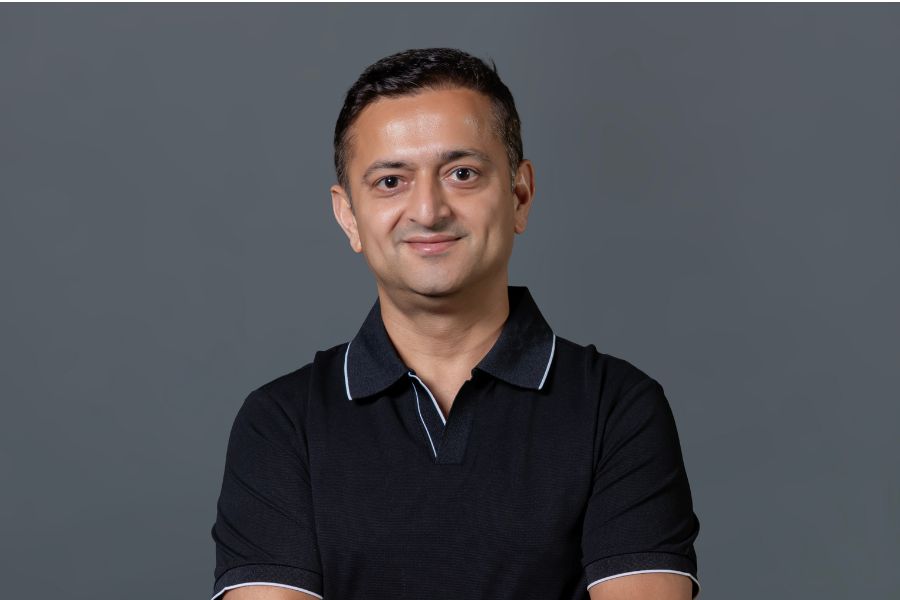
As pet care transcends mere companionship to become a reflection of lifestyle and wellness, few stories capture this shift better than that of Dogsee Chew. At the forefront of this transformation is Bhupendra Kanal, whose journey from the Himalayas to global pet-care shelves exemplifies vision, perseverance, and entrepreneurial spirit. In this interview with India Business and Trade, Bhupendra Khanal chronicles the rise of Dogsee Chew—from humble beginnings in Darjeeling dairies to exporting high-protein, 100% natural pet treats to over 30 countries. As demand for clean, chemical-free, and ethically produced pet nutrition surges worldwide, Dogsee Chew’s story offers a compelling blueprint for entrepreneurs aiming to build global-scale impact from India. IBT: Could you walk us through the founding vision behind Dogsee Chew? How did the idea take shape in 2015, and what early challenges did you navigate? Bhupendra Kanal: The idea emerged during a visit to a friend’s dairy in Darjeeling, where we noticed local dogs stealing traditional Himalayan chews. As pet parents, we were curious and brought back 22 kg to Bangalore for study. The product turned out to have over 65% protein—higher than any dental treat globally—and was 100% natural, vegetarian, and handcrafted. This aligned with what we wanted for our own pet. The emotional pull of taking something from the Himalayas to the world further strengthened the vision. Early challenges, however, were around production—training villagers and small dairies to make the chews consistently and scaling supply. IBT: At what point did Dogsee Chew hit its growth inflection, and how did international markets shape your strategy and product development? Bhupendra Kanal: Initially, India wasn’t fully ready for the product due to its premium nature. But once we explored global markets, the response was overwhelming. Our first pallet order from Spain and then a container order from a UK client proved to be turning points. Global buyers valued the Himalayan origin story, high protein content, and natural ingredients. Their trust pushed us to scale manufacturing, improve consistency, and strengthen processes. IBT: How has India’s pet nutrition market evolved, especially regarding natural and single-ingredient products? Bhupendra Kanal: When we began, most products in India were by-products of the meat or leather industry and heavily dependent on additives. But consumers soon became very aware—they wanted clean, natural ingredients for their pets, just like for themselves. This shift aligned with our philosophy, and we expanded into freeze-dried foods, herbal Ayurvedic shampoos, and other natural products. The market’s growing awareness, from vets to pet parents, has supported this transition. IBT: How would you compare Indian pet parents with those in mature markets like the US or Europe? Are there key differences? Bhupendra Kanal: Western markets are structurally more mature, with established grooming chains, veterinary networks, and higher purchasing power. But in terms of awareness, Tier-1 Indian pet parents are equally—if not more—vocal and questioning. Indian consumers probe ingredients, sourcing, and manufacturing standards far more. This involvement is a strength and a key driver of quality improvements in the sector. Structurally, India is still catching up, but awareness levels are on par. IBT: As a major exporter, what challenges did you face with sourcing, supply chain logistics, and regulatory compliance? Bhupendra Kanal: Coming from software and advertising backgrounds, we lacked FMCG experience. So we hired strong manufacturing and quality experts and adopted a “build world-class or nothing” mindset. We invested in top global certifications such as BRC, C-TPAT, BSCI, and built a zero-waste, solar-powered, carbon-negative facility. Our booths at global trade fairs were also world-class, helping us gain trust quickly. Building this entire ecosystem—from packaging to compliance—was challenging but essential for global acceptance. IBT: With a diverse product portfolio, how do you maintain consistent quality and nutritional reliability? Bhupendra Kanal: Quality is our non-negotiable. We often reject entire batches from vendors for even minor deviations. The company follows 5S principles and is always audit-ready. We built a strong internal team with leaders who were previously at global giants like Almarai. This keeps our quality systems aligned with global benchmarks. A ruthless focus on quality is what enables us to scale without compromise. IBT: From a policy perspective, what support from the Government of India could help the sector scale globally? Bhupendra Kanal: We’ve received strong support from agencies like DGFT, EPCs, and state authorities. However, the biggest gap is the absence of a dedicated pet food or veterinary division under FSSAI—something equivalent to the USFDA’s pet food segment. Another issue is lack of reciprocal access. Countries like Thailand and China can easily sell in India, but Indian exporters face far tougher entry barriers. Equal market access or reciprocity is essential if India wants to compete globally in this category. IBT: Looking ahead to 2035, how do you see India’s potential in global pet treats, nutrition, and wellness? What must the industry focus on? Bhupendra Kanal: India has no option but to grow. We have 3.6% of the world’s population but contribute only 0.03% to the global pet trade. Given our massive dairy base—22% of global milk production—and agricultural strength, we can easily command 3–4% of global market share. To achieve this, India must build manufacturing-led capacity, not just brands. Large factories, strong quality culture, and long-term capex investment are crucial. We cannot depend on a trading-led ecosystem—we must build like China and Vietnam if we want to lead globally. Bhupendra Khanal is the Co-founder & CEO of Dogsee, one of India’s fastest-growing natural pet food brands. A serial entrepreneur and data scientist, he has built multiple ventures across AI, analytics, and consumer products. Under his leadership, Dogsee has expanded to global markets with a strong focus on clean-label, Himalayan-sourced treats. He is widely recognised for blending technology, sustainability, and brand storytelling to scale disruptive businesses.
India’s pet food industry: Growth, exports & challenges
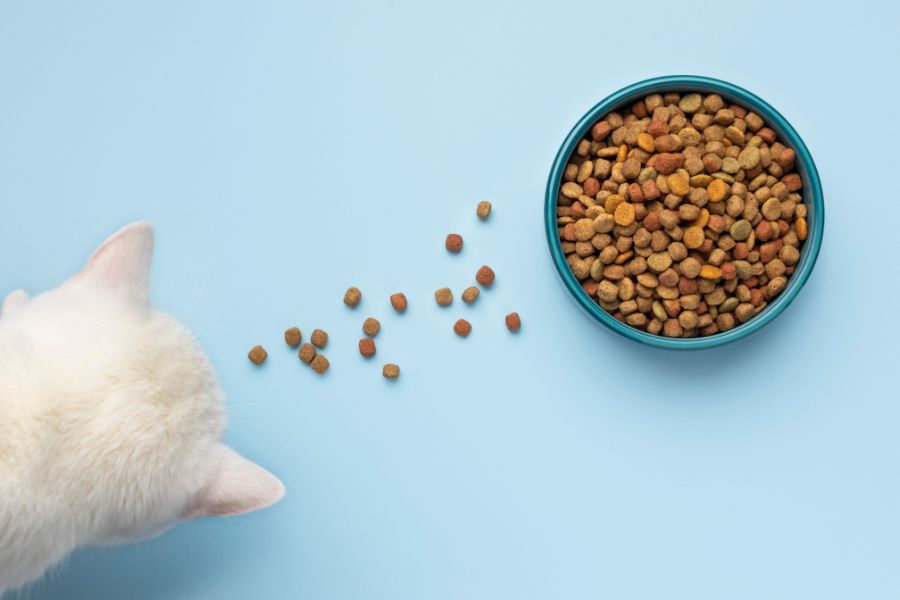
India’s pet food industry is standing at a breakthrough moment, powered by soaring domestic demand, a fast-expanding pet population, and global interest in affordable, high-quality nutrition. With exports rising steadily and markets like the Middle East, Europe, and North America opening new doors, India has a unique opportunity to position itself as a major global supplier. Strategic upgrades in compliance, packaging, and market-specific formulations can unlock a multi-billion-dollar export opportunity by 2030—making this one of India’s most promising consumer and agri-processing sectors. India’s pet food industry is rapidly emerging as a competitive player in the global market, backed by abundant raw materials, cost-efficient production, and supportive policy measures for animal welfare and trade. Indian manufacturers are increasingly recognized as reliable suppliers in the international pet food and animal feed segments, positioning the country to capture growing demand for safe, sustainable, and high-quality nutrition products worldwide. At the same time, the domestic market is witnessing remarkable expansion. With a pet population exceeding 42 million in 2024—including over 36.8 million dogs—and rising disposable incomes among urban millennials and Gen Z households, India’s organised pet food market has reached a valuation of US$ 600–700 million within a broader US$ 4 billion pet-care ecosystem. It is projected to grow at a CAGR of 8.6–10% through 2030, driven by rapid urbanization and the global “pet humanization” trend. As consumers increasingly seek premium, human-grade, and organic nutrition for their companions, India stands at the crossroads of strong domestic consumption and growing export opportunity. The global pet food industry is on an accelerated growth path, reflecting the world’s deepening bond with companion animals. According to new analysis by Future Market Insights (FMI), the market — valued at US$ 132.4 billion in 2025 — is projected to nearly double to US$ 247.7 billion by 2035, expanding at a healthy CAGR of 6.5%. Conventional pet food continues to lead with a 70% share thanks to affordability and wide retail reach, while dog food dominates at over 60% of sales. Regionally, Western Europe is the growth engine: the UK is forecast to be the fastest-growing market at 6.8% CAGR through 2035, followed by the U.S. (6.2%), Germany (6.4%), and Japan (6.1%), where small-breed, senior, and functional diets are in highest demand. The domestic boom: packaged food becomes the new normal The major change in India’s pet ecosystem today is the mass movement of pet parents away from homemade or loose food and toward branded, science-backed nutrition—a trend that has accelerated at remarkable speed over the past five years. “Packaged food has become the default choice for a lot of the pet parents… We are seeing a clear migration to mid-premium, premium and functional diets across the board. The biggest theme that we see within packaged food particularly is there is a rising appetite for spending on mid-premium, premium and functional diets… and vets are increasingly influencing the dietary choices.” — Mrigank Gulgutia, Partner, Redseer Strategy Consultants Redseer’s consumer surveys reveal that a growing cohort now spends ₹50,000–₹1 lakh annually per pet, with food accounting for 60–70% of that wallet. Quick-commerce platforms (Blinkit, Zepto, Swiggy Instamart) have become the lifeline for repeat purchases of heavy items—10-kg kibble bags and cat litter—while e-commerce (Amazon, FirstCry, Supertails) introduces newer consumers to functional treats for skin allergies, gut health, joint support, and dental care. Export growth of pet food industry Indian pet food exports have grown from US$ 36.1 million in FY2018–19 to US$ 59.25 million in FY2023–24. Dog and cat food alone touched US$ 36.4 million in the first half of 2024. Germany (27%), the United States (20%), the United Kingdom (15%), and the UAE are the top destinations. Several Indian brands—Drools, Heads Up For Tails, Dogsee Chew, and Farmina’s Indian arm—are now regular fixtures in premium pet stores from Dubai to Dallas. “India needs to narrow the gap in documentation and packing, as they are major hindrances in making Indian products international-market ready… Having success in India doesn’t translate to being successful in UAE, because they have different taste and nationalities and it has to be customised as per the market.” — Sidarth Mahindra, Chief Pet Officer, Pet Corner Dubai The Middle East, with its 30–35% YoY e-commerce growth (versus India’s 6–8%), large expatriate population, and premium-seeking consumers, is the most attractive first overseas market. However, success demands more than great product: halal certification, Arabic-English labelling, heat-resistant packaging, and flavour profiles that appeal to European, South Asian, and Arab palates are mandatory. “Compliance is key to enter the market… Very few brands or very few categories see that sort of growth since 2021 to 2025 consistently seen triple-digit growth in pet food in India across border trade… If anybody is looking to export to US, UK, Europe or even Canada and Japan, there are global certification bodies in India — BRC is one of the highest standards in the world.” — Jeffery Thomas, Manager – Business Development, Walmart Global Sourcing BRC Global Standard for Food Safety (Issue 9), HACCP, ISO 22000, SQF, FSSC 22000, and country-specific registrations (FDA for the US, DEFRA for the UK, CFIA for Canada) are non-negotiable. Critically, human-food certifications do not count. “To export to international markets, we need to navigate the international regulations and compliance… We reached out to many embassies and trade bodies to understand the international trade. Then we cracked other clients via social media marketing. The international market is nicely structured… Attending global events helps in building connections with exporters, importers, global buyers, distributors, etc. These connections helped me penetrate nicely and easily into global markets.” — Bhupendra Khanal, CEO, Dogsee Chew The strategic roadmap to 2030 To convert today’s momentum into sustained global leadership, Indian brands and policymakers must act on five fronts: Compliance-first culture- Treating compliance not as a checkbox but as core infrastructure. Government subsidies for first-time certification (similar to the scheme for spices) would accelerate adoption. Localisation at speed- Create market-specific SKUs early like lamb-heavy for Middle East, salmon-rich for Europe, small packs for Japan. Omnichannel- Dominate quick-commerce and

Olive oil: From ancient roots to a global wellness powerhouse
Olive oil has expanded from its Mediterranean roots into a US$ 20 billion global industry, led by Spain, Italy, Greece, and Portugal. Growing health awareness is accelerating demand for extra virgin varieties, prized for their antioxidants and monounsaturated fats. Sophisticated marketing that highlights heritage, authenticity, and gourmet appeal has positioned olive oil as a premium kitchen staple. Its antioxidant and anti-inflammatory benefits are also driving fast-growing use in cosmetics and personal care. With rising demand across major regions and emerging markets, the olive oil sector is entering a phase of strong innovation, diversification, and global relevance. Olive oil, one of the most popular and heavily marketed edible oils, has evolved into a US$ 20 billion global market — a symbol of purity, wellness, and premium living. Its legacy traces back to the Mediterranean, where olive cultivation thrived for centuries and became deeply rooted in commerce, culture, and religion. After the discovery of America in 1492, olive cultivation gradually expanded beyond its traditional boundaries. The first olive trees were transported from Seville, Spain, to the West Indies and later to the Americas. By 1560, olive groves had taken root in Mexico and later spread to Peru, California, Chile, and Argentina. Over the centuries, the olive tree has travelled far from its origins, now flourishing across North and South America, South Africa, New Zealand, Australia, and even Japan. Today, olive oil production continues to be dominated by Spain, Italy, Greece, and Portugal. In the 2024–25 crop year, the EU produced around 2.1 million tons of olive oil, with Spain contributing approximately 1.41 million tons — nearly 40% of global output. Spain remains the world’s leading supplier and is India’s primary source as well, accounting for nearly 86% of India’s olive oil imports. Italy follows as the second-largest supplier, contributing around 10%. India, in turn, exports a limited quantity of olive oil to markets such as Egypt, the United States, and Bhutan. The global rise in health consciousness has further fuelled demand. Olive oil is valued for its high monounsaturated fat content and antioxidants, and is associated with reduced cardiovascular risk, lower cholesterol levels, and overall wellness benefits. Extra virgin olive oil — the purest and least processed form — is witnessing the fastest growth due to its chemical-free extraction, superior flavour profile, and lower oleic acid content. Its richness in vitamins D and K, monounsaturated fats, and antioxidants enhances its appeal among health-focused consumers. Marketing has also played a pivotal role in positioning olive oil in the global market. Early strategies focused on differentiating varieties by region, highlighting their quality, authenticity, and geographical identity. Over time, branding evolved into sophisticated storytelling that tied olive oil to heritage, terroir, and culinary excellence. Its association with gourmet food — from salads and dressings to marinades, baking, and light frying — cemented its place in modern kitchens and elevated it within premium price segments. Beyond food, olive oil is gaining traction in the cosmetics and personal care industries due to its antioxidant and anti-inflammatory properties. It is increasingly used as a natural alternative to synthetic cosmetic ingredients, helping exfoliate dead skin cells, remove impurities, and provide hydration and nourishment for both skin and hair. The Personal Care & Cosmetics category is projected to grow at the fastest pace, with a CAGR of around 7.60% between 2026 and 2033, driven by rising clean-label preferences, skin-conditioning benefits, and the shift toward natural formulations. Companies like Pompeian Inc. are broadening their portfolios to include cosmetic-grade olive oil to meet increasing demand in skincare and haircare applications. Olive oil market: Regional overview The North American olive oil market continues to expand, supported by rising health awareness, growing interest in the Mediterranean diet, and increasing demand for premium and extra virgin varieties. Strong retail and e-commerce channels, along with innovation in flavored and organic offerings, further strengthen market growth. While the U.S. remains the dominant market, Canada is emerging with notable pockets of opportunity. In the U.S., growth is expected to accelerate due to greater consumer understanding of health benefits, deeper Mediterranean diet penetration, premiumization of extra virgin products, and regulatory measures that enhance product quality and consumer trust. Asia Pacific is poised for the fastest regional growth, projected at around 9%, driven by rising disposable incomes, an expanding middle class, and heightened health consciousness. Urbanization, westernized eating habits, and stronger e-commerce penetration are making imported extra virgin products more accessible. China leads the region, with a growing base of affluent consumers willing to pay for high-quality, imported olive oil, supported by rapid urban growth and increased awareness of health and nutrition. Europe continues to hold the largest share of the global market at over 48%, rooted in longstanding cultural preferences, mature Mediterranean olive farming, and well-integrated value chains. Spain leads the region with the world’s largest olive cultivation area, high production volumes, strong export networks, and established PDO/PGI certifications, keeping it ahead of Germany, France, the U.K., and Italy in consumption and global exports. In the Middle East & Africa, the UAE dominates due to high incomes and strong demand for premium imported oils. In Latin America, Brazil leads growth, driven by rising disposable incomes, the adoption of Mediterranean dietary habits, and expanding retail and e-commerce channels. Future growth As global consumers continue to prioritise health, authenticity, and premium culinary experiences, olive oil stands at the intersection of tradition and modern wellness. Its journey from ancient Mediterranean groves to supermarket shelves and cosmetic formulations worldwide reflects both its enduring cultural value and its evolving commercial potential. With rising demand across food, beauty, and wellness segments—and robust growth prospects in emerging markets—the olive oil industry is entering a new era of innovation, diversification, and global reach. As producers, exporters, and brands adapt to shifting consumer preferences and regional market dynamics, olive oil is poised to strengthen its position as a staple of healthy living and a high-value commodity in the global F&B landscape.
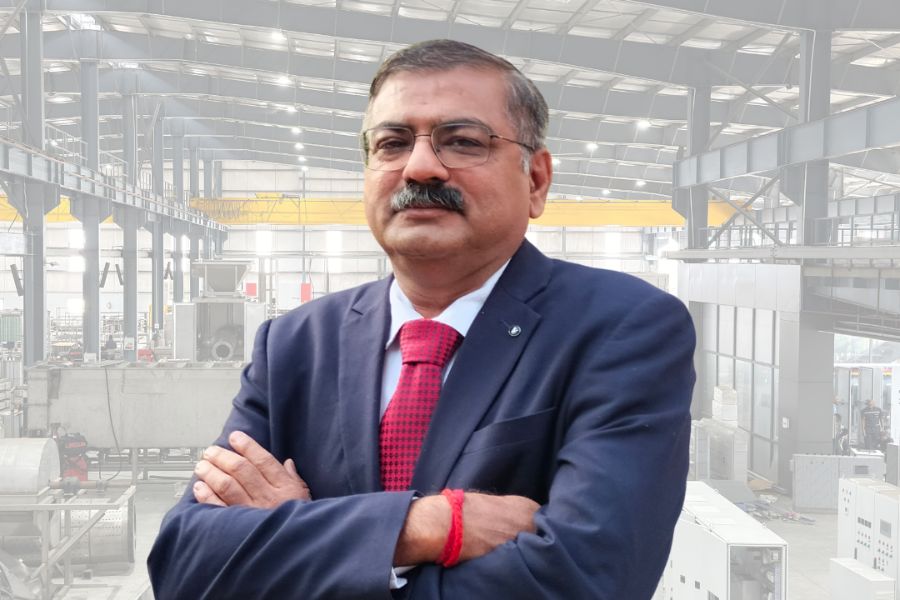
“Smart sensors and automation are redefining how perishables are preserved”
In an era where India’s food processing and cold chain sectors are rapidly expanding, Natural Storage Solutions Pvt. Ltd. (NSSPL) stands out as a driving force of technological progress. In conversation with India Business and Trade, Yogesh Dahiya, Managing Director, NSSPL shares how the company is advancing post-harvest efficiency through innovation, engineering excellence, and customer-focused solutions across India and global markets. As demand for high-quality refrigeration and modern processing systems rises, NSSPL continues to lead with turnkey, energy-efficient, and future-ready technologies. IBT: Natural Storage Solutions Pvt. Ltd. (NSSPL) has established itself as a leading designer and manufacturer of industrial refrigeration systems and food processing lines. What key factors or guiding principles have driven the company’s consistent growth and reputation for excellence in both domestic and international markets? Yogesh Dahiya: NSSPL’s consistent growth and strong reputation stem from its clear commitment to delivering complete turnkey solutions—encompassing design, manufacturing, installation, commissioning, and comprehensive post-commissioning support, including plant training, education, and more. This end-to-end approach is reinforced by engineering excellence, customer-centric innovation, and uncompromising product quality. The company places strong emphasis on understanding each client’s specific requirements and delivering highly reliable, energy-efficient refrigeration and food-processing systems that ensure long-term value. Continuous investment in advanced technologies, adherence to global manufacturing standards, and ongoing team skill development enable NSSPL’s solutions to meet international performance benchmarks consistently. Additionally, timely service support and long-term customer partnerships have helped the company earn enduring trust across domestic and international markets as a leading provider of turnkey post-harvest solutions. IBT: With India’s rising demand for cold storage and food preservation infrastructure, how is NSSPL leveraging this opportunity to expand its footprint and support the modernization of India’s cold chain ecosystem? Yogesh Dahiya: NSSPL is strategically leveraging India’s rapidly growing demand for cold storage and food preservation infrastructure by introducing highly advanced, cost-effective technologies that reduce CAPEX and significantly extend the shelf life of perishable products. Deeply committed to innovation, the company has executed several landmark projects across the country, particularly in developing large-scale bulk and box cold storage facilities equipped with precision cooling, automation, and intelligent control systems. These state-of-the-art installations ensure uniform temperature, minimal product loss, and consistent quality throughout the year, even for high-volume storage. Through its comprehensive turnkey capabilities—including design, manufacturing, installation, commissioning, and extensive operator training—NSSPL is not only expanding its national footprint but also playing a key role in modernizing India’s cold chain ecosystem. With enhanced post-harvest handling systems and cutting-edge cold chain infrastructure, NSSPL provides vital support to farmers, processors, and logistics providers, helping them maintain product quality while adapting to India’s rapidly expanding food market. IBT: Innovation and technology are at the core of NSSPL’s solutions, from controlled atmosphere systems to automated grading and data acquisition. Could you share how your R&D initiatives are helping enhance efficiency, sustainability, and product quality in cold storage applications? Yogesh Dahiya: NSSPL has successfully implemented and tested gamma radiation treatment on onions for long-term storage, supported by detailed R&D collaboration with BARC. NSSPL’s R&D philosophy is driven by the belief that post-harvest solutions must evolve into more intelligent, efficient, and sustainable systems—and that innovation is the pathway to this transformation. The company has introduced advanced modified-atmosphere and controlled-atmosphere storage solutions with precise atmospheric regulation and enhanced ventilation, allowing perishables to stay fresh for longer while reducing losses caused by improper storage conditions. These systems are integrated with smart sensors and data acquisition tools, providing operators with real-time insights into storage performance and enabling immediate corrective action when required. NSSPL has also developed advanced automated bulk and box storage solutions that offer excellent air circulation, reduced energy consumption, and stable performance even at large capacities. Additionally, its innovative handling systems—such as graders, conveyors, and filling units—minimize manual intervention, reduce operational errors, and maintain product integrity throughout the handling process. With these advancements, NSSPL is not only strengthening efficiency and sustainability but also setting new industry benchmarks for product quality and cold chain reliability. IBT: NSSPL has built strong global associations and a growing export presence. How do these international collaborations strengthen your product offerings, and what strategies are you adopting to further penetrate emerging global markets? Yogesh Dahiya: NSSPL’s global associations reflect its unwavering commitment to delivering world-class, future-ready solutions. By strategically partnering with industry leaders—IVI from Idaho, USA for advanced ventilation systems; GEA HRT from Frankfurt, Germany as an authorized HRT Packager; VH Vertical from the Netherlands for reliable packaging innovations; Boema SpA from Italy for state-of-the-art food processing equipment; Marcelissen from the Netherlands for precision peeling and slicing solutions; and Isolcell from Italy for advanced controlled-atmosphere technology—NSSPL brings unmatched global expertise to every project it undertakes. Its pioneering collaboration with BARC to successfully implement gamma radiation technology for potato sprout inhibition further underscores the company’s drive to push scientific boundaries. These partnerships enhance NSSPL’s understanding of diverse regulatory environments, regional conditions, and customer requirements, enabling the company to tailor its systems for optimal performance across global markets. To strengthen its presence in emerging regions, NSSPL is focusing on market-specific product adaptations, expanding local partnerships, accelerating technology transfer and knowledge exchange, enhancing remote support and after-sales infrastructure, and increasing participation in international trade platforms. Through these efforts, the company continues to build a resilient global footprint and deliver high-value, future-ready solutions to customers worldwide. IBT: As the Managing Director of NSSPL, what is your long-term vision for the company in shaping the future of cold chain and Food processing solutions, both in India and globally? Yogesh Dahiya: As the Managing Director of NSSPL, my long-term vision is to position the company as a global leader in delivering turnkey, advanced, energy-efficient, and technology-driven cold chain and food processing solutions, while contributing meaningfully to the Make in India mission through the domestic development and manufacturing of world-class technologies. I aim to build a fully integrated ecosystem that enhances farm-to-fork efficiency, reduces post-harvest losses, and ensures consistent product quality by leveraging smart refrigeration systems, IoT-enabled monitoring, automation, and sustainable engineering practices. By producing high-performance equipment in India and fostering

“Winning India’s biscuit market: Intelligent indulgence, niche innovation and attention to consumers”
India’s biscuit market is changing in noticeable ways. What was once a category defined by nostalgia, comfort, and routine tea-time moments is now being reshaped by health consciousness, digital-first consumers, rising premiumisation, and an appetite for “intelligent indulgence.” Few brands have had a front-row seat to this evolution quite like McVitie’s — a name woven into India’s snacking culture for decades. In our latest IBT interaction, we spoke with Ritesh Gauba, Country General Manager, pladis Global, to understand how the company is navigating this fast-changing environment. From reimagining indulgence with healthier twists to tailoring flavours for India’s diverse palate and strengthening its omni-channel strategy, Gauba shares sharp insights on where the biscuit industry is headed and what it will take to win the next phase of growth in one of the world’s most dynamic snacking markets. IBT: India’s snacking culture is shifting from traditional munchies to “small indulgences.” How has this evolution reshaped the biscuit category, and what key consumer trends are driving growth today? Ritesh Gauba: Traditional Indian munchies like samosas, dhoklas, and gulab jamuns are indulgent treats – enjoyed occasionally for fun and flavor. In contrast, biscuits have evolved far beyond that. Today, they cater to multiple snacking moments and moods – healthy or indulgent, solo or social. A digestive pairs well with morning tea, oats biscuits follow a workout, cream biscuits delight kids, and cookies or butter biscuits are served to guests. Post-COVID, health consciousness has reshaped the category, but biscuits remain about joy. Brands are striking a balance – offering better-for-you options like digestives and multigrain variants while keeping taste intact. The result is “intelligent indulgence” – a category that fits every age, occasion, and craving, blending health, variety, and pleasure in the way modern India loves to snack. The biscuit market has become highly competitive with strong domestic and global players. How do you view the current competitive landscape, and where do you see opportunities for differentiation? Ritesh Gauba: Yes, we do see the biscuit market becoming increasingly competitive. But it’s also a very large category – nearly a $5 billion industry in India. And as I always say, in India, niche is also mass. So the real opportunity lies in finding differentiation within those niches. For instance, while there’s a huge market for cookies and cream biscuits, there’s also significant demand for digestive and zero-sugar variants. Given the size and diversity of the market, there’s room for everyone – it’s about identifying the right space to play in. Where I see strong potential going forward is in the health segment, or what I like to call “indulgent health.” Biscuits are, after all, a fun snacking category – not a serious one. So the focus is on combining taste with better-for-you ingredients. That’s the space we’re working in and will continue to strengthen. Biscuits are deeply linked to comfort and nostalgia. How are you balancing this emotional connect with the growing demand for healthier, functional, and mindful snacking options? Ritesh Gauba: I’ll start with an example. A cream biscuit is fun, and a digestive is healthy. We recently launched a product that combines the best of both – a digestive cream biscuit. It’s essentially a cream filling sandwiched between two digestive biscuits. The idea came from a simple insight: consumers don’t always want a pure cream biscuit, but they also don’t want something too serious. Biscuits are meant to be fun. So, the goal is to bring fun and health together – what I call “indulgent health” or “healthier options” rather than just health. That’s the space we’re focused on. Another example is our Hobnobs Chocolate Chip variant. It’s an oats-based biscuit – almost 35–40% oats – but with added chocolate chips. So, you get the goodness of oats with the enjoyment of chocolate. The idea is all about balance – creating products that deliver health benefits without compromising on taste. That’s the direction we’re moving in and will continue to strengthen. Regional preferences across India vary widely – from sweet to spicy profiles. How do insights into these regional tastes influence your product innovation and portfolio strategy? Ritesh Gauba: Let me start by giving this a more Indian context. Some biscuit categories – like Marie, cookies, and cream biscuits – truly cut across India. In fact, most large biscuit formats have national appeal. For McVitie’s, which is a global powerhouse in the biscuit space, our primary focus in India has been on local innovation. We have our own manufacturing facility here, and everything sold in India is made in India. We also ensure that a lot of our product innovations are designed specifically for Indian consumers. For example, we’ve launched our Tastees cookie range, along with variants like coconut and cashew biscuits – flavours that resonate strongly with Indian taste preferences. Alongside these, we continue to offer our global favourites like Digestives and Hobnobs. But at the first level, our focus remains clear – to create products for the Indian consumer, based on what he or she truly wants. At the next level, we also look at different consumer segments or “pop strata.” For instance, we have digestive biscuits available at just ₹5, which are literally small, pop-sized packs, as well as ₹10 digestives. This helps us reach across demographics and ensure accessibility without compromising on quality. Affordability remains key, but premiumization is on the rise. How do you strike the right balance between accessibility, value, and premium positioning across different consumer segments? Ritesh Gauba: Exactly – who would think of offering a digestive biscuit at ₹5 or ₹10? But we do. Of course, the size changes, but the quality remains the same. It’s about finding the right balance. We have very premium products like Hobnobs, and at the same time, we make products like Digestives more affordable by offering the right pack sizes. Going forward, we’ll continue to launch products that cater both to premium consumers and to those who are value-conscious. It’s about ensuring that everyone can enjoy McVitie’s quality, no matter their budget.

Centre scraps QCOs for 14 key petrochemical products
The government has revoked BIS Quality Control Orders (QCOs) for 14 key petrochemical products to ease raw material access, simplify imports, and lower input costs for MSMEs in the textile, packaging, and plastics sectors. Industries have long maintained that mandatory BIS certification narrowed supplier choices, inflated prices, and obstructed imports. A high-level committee, led by NITI Aayog member Mr Rajiv Gauba, deemed the rapid expansion of QCOs excessive, particularly for raw materials that pose no direct safety concerns. The rollback is expected to stabilise prices, improve sourcing flexibility, and boost manufacturing competitiveness. It also supports the MMF sector, strengthens export potential, and aligns with recent initiatives such as the November 12 Export Package. The government has withdrawn Bureau of Indian Standards (BIS) Quality Control Orders (QCOs) for fourteen petrochemical products that serve as essential inputs across diverse sectors, including chemical, polymer, and fibre-based materials. The Ministry of Chemicals and Fertilisers issued the notification (dated November 12, 2025), stating that the decision takes effect immediately upon its publication in the Gazette, with no transition period. Sources said the decision aims to enhance raw material availability, ease import bottlenecks, and lower input costs for downstream MSMEs in the packaging, textile, and moulding sectors. The move is expected to greatly ease sourcing challenges, as industries have long argued that QCO-mandated certification limits supplier options and raises costs. Rationale behind QCO withdrawal QCOs issued by the Bureau of Indian Standards (BIS) require manufacturers and importers of designated products to meet specific standards. Since QCOs apply to both domestic and foreign manufacturers, all suppliers must secure certification for their facilities and products before selling in India—a process that is often costly, time-consuming, and discouraging for overseas producers. Consequently, many global suppliers opt out of the Indian market, reducing competition and restricting choices for domestic industries. The proliferation of QCOs has been particularly striking. From fewer than 70 orders in 2016, the count surged to nearly 790 by 2025, with most introduced in the last five years as part of an aggressive push for quality assurance. The latest products exempted from QCOs include: 100% polyester spun grey and white yarn, Polyester industrial yarn, Polyester staple fibres, Polyvinyl chloride (PVC) homopolymers, Terephthalic acid, Acrylonitrile Butadiene Styrene (ABS), Polyurethanes, and Polycarbonate. These materials are critical raw inputs for the man-made fibre (MMF), plastics, and manufacturing segments. The government had earlier imposed QCOs on polyester yarn, filament, fibre, and key raw materials such as PTA and MEG, effectively restricting imports. Despite India’s shortage of PTA and MEG, these critical inputs for the man-made fibre sector were brought under mandatory certification. Despite their original purpose—improving product quality and protecting consumers—QCOs have faced mounting criticism. Industries reported heavy compliance burdens, import delays, supply shortages, and rising input prices. In response, the government formed a high-level committee led by NITI Aayog member Mr Rajiv Gauba to review the system. The panel concluded that India’s rapid and broad application of QCOs was excessive, particularly for raw materials that pose no direct safety or environmental risks. It recommended scrapping or deferring over 200 QCOs and restructuring the regulatory framework. The committee also highlighted that global practice relies more on voluntary, market-driven, or buyer-specific standards, and warned that India’s overregulation was undermining manufacturing efficiency and trade competitiveness. Industry reaction and expected benefits The withdrawal is widely viewed as a long-overdue relief for industries seeking greater sourcing flexibility without the time and cost burden of mandatory domestic certification. Industry leaders have hailed the move as practical and growth-focused, describing it as a step that enhances competitiveness, supports exports, and strengthens “Make in India” by aligning quality standards with ease of doing business. Industry experts noted that the QCOs had significantly increased the cost of polyester fibre and filament yarn—by nearly 30%—and restricted imports of several essential raw materials, particularly those not produced in India. This led to supply shortages and caused many manufacturers to lose orders. With the withdrawal of QCOs, the import of polyester and its raw materials is expected to become smoother, ensuring a steady and uninterrupted supply for spinners, weavers, and processors. They added that competitive imports are likely to stabilise domestic prices, helping reduce cost pressures on downstream manufacturers and exporters. The decision has also allowed small and medium enterprises to restart operations more smoothly, improving their cost competitiveness in both domestic and global markets while aiding in job retention. The experts emphasised that removing QCOs on polyester fibre and yarn meets a long-standing industry demand. As these materials form the backbone of most MMF-based products, the withdrawal is expected to spur growth in the MMF sector and enhance India’s manufacturing competitiveness. They further highlighted that eliminating certification barriers will help manufacturers access raw materials at globally competitive prices, reducing production costs for textiles and apparel. Alongside the Export Package announced on November 12, this policy shift is seen as a major confidence booster for the textile and apparel sector and a positive step for India’s trade performance. Read more: India’s Quality Control Orders: Understanding Key Trends Cabinet approves Export Promotion Mission to strengthen India’s export ecosystem FAQs: What are BIS Quality Control Orders (QCOs) and why were they withdrawn for these petrochemical products? BIS QCOs mandate that manufacturers and importers adhere to specific Indian standards, requiring certification for their facilities and products. The government withdrew the QCOs for 14 petrochemical products to ease import restrictions, improve raw material availability, reduce compliance burdens, and lower input costs—especially for MSMEs in sectors such as textiles, packaging, and plastics. Which petrochemical products are now exempt from QCO requirements? The latest withdrawal covers 14 products, including: 100% polyester spun grey and white yarn, Polyester industrial yarn, Polyester staple fibres, Polyvinyl chloride (PVC) homopolymers, Terephthalic acid (PTA), Acrylonitrile Butadiene Styrene (ABS), Polyurethanes, Polycarbonate. These materials are crucial inputs for man-made fibre (MMF), plastics, and various manufacturing industries. How will the withdrawal of QCOs benefit Indian industries? The decision is expected to: Improve sourcing flexibility by widening access to global suppliers Reduce costs associated with mandatory
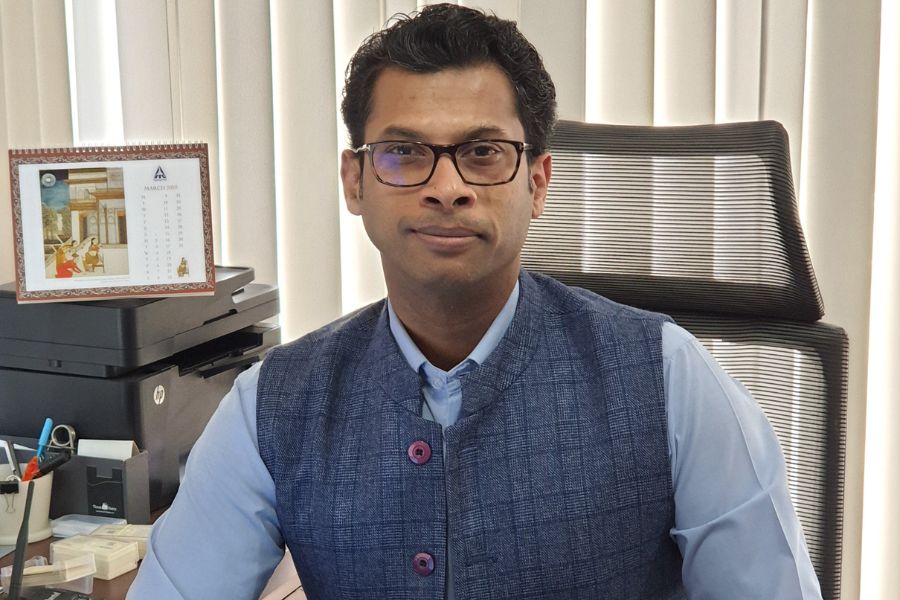
“Technology alone isn’t enough, true quality comes from awareness and discipline.”- Fabcon India’s model for delivering world-class food safety and hygiene
Fabcon India has undergone a remarkable transformation — from its beginnings in steel fabrication in 1977 to becoming one of Asia’s leading manufacturers of food processing and conveying technologies. With nearly five decades of expertise, the company has built a strong global presence driven by innovation, automation, and sustainability, delivering world-class solutions that enhance food safety, quality, and efficiency. In an exclusive interaction with India Business & Trade (IBT), Mr. Nishant Bansal, CEO & Managing Director of Fabcon India, shares insights on the company’s growth, technological advancements, and vision for the future of India’s food manufacturing sector. IBT: Fabcon India has been a leading name in food processing since 1981. How has the company evolved with changing technology and market trends? Nishant Bansal: We actually started back in 1977. The business was founded by my father, Mr. Rakesh Bansal, who is an engineer from Aligarh. The name Fabcon comes from two words — fabrication and conveying systems. In the early years, we were engaged in steel fabrication for industries such as railways, power generation, and sugar — what were known as the heavy industries at that time, with limited modernization. Later, we began manufacturing conveyors for Maruti when it entered India. Maruti officially started operations in 1984, but their plant construction and training programs had begun earlier. We were among the suppliers chosen to make conveyors for them, which marked the beginning of our journey in industrial automation. Initially, we focused on fabricating steel tanks, platforms, and miscellaneous components, along with conveyors for the automobile industry. In the early 1990s, we had the opportunity to connect with the late Shri Manohar Lal Agarwal of Haldiram’s, and that was a turning point — it marked our entry into the food processing sector. Today, we are proud to have nearly 48 years of legacy behind us. I represent the second generation, having joined my father in 1997 — so it’s been around 27–28 years for me personally. We currently have a team of about 200 people across three manufacturing units, with two additional units under development. Over the years, we’ve evolved from a fabrication company to a complete food processing solutions provider, exporting to more than 70 countries — including advanced markets like the US, Canada, the UK, Australia, and Germany. Innovation continues to be at the heart of our growth and success. IBT: Innovation is central to your growth. What new technologies or solutions are you currently introducing for the snack food industry? Nishant Bansal: Yes, continuing from the same thought — evolution and change are absolutely essential. In fact, I believe they are the only constants in any industry. One must keep evolving and adapting to meet the ever-changing demands of the market. We cannot afford to be left behind, and today, India stands shoulder to shoulder with the developed world — whether it’s Europe or the US. If we look back, namkeens were once made entirely by hand, and the industry was seeking only basic technology. But as the focus on food safety, hygiene, quality, cost efficiency, and automation grew, we evolved alongside these needs. Today, we are among the leading automated food processing equipment manufacturers in India and Asia, offering technologies that are on par with those used in Europe and America. Many of our European customers are often surprised to see the level of automation we’ve achieved in our own facilities. We use robotics, smart systems, laser cutting, CNC machining, and laser welding. In fact, the only things truly Indian in our operations are our people and the steel we use. Most of our software, components, and systems are sourced from global leaders — whether European, German, American, or Japanese. Our evolution has always been driven by understanding our customers’ requirements and developing the right technologies — whether in terms of food safety, hygiene, automation, or large-scale production — to help them meet the demands of a dynamic market. IBT: As automation and hygiene standards rise globally, how does Fabcon ensure its systems meet HACCP and GMP guidelines? Nishant Bansal: Whether it’s HACCP, GMP, CCP, BRC, or in India’s case, FSSAI — all these standards are extremely important. As consumers, whether it’s you or me, we all want to eat food that is safe, hygienically prepared, and has a good shelf life. With the growing shift towards frozen foods, people today are far more conscious and demanding — not just about taste, but also about quality, color, packaging, and overall safety. At Fabcon India, we have incorporated all these considerations into our design and manufacturing process. Having exported for nearly 25 years, we are a government-recognized One Star Export House for machinery. Over time, we’ve learned many lessons — especially in the early days when our understanding of global food safety standards was limited. Two decades ago, we realized that the designs acceptable in India were not up to the mark for European or American markets. That experience shaped our evolution. Since then, we’ve made it a core part of our strategy to ensure that every piece of equipment we manufacture — whether for India, Europe, America, or Africa — meets the same world-class standards. The quality we deliver to PepsiCo or Haldiram must be identical to what we deliver to a small Indian startup. For us, that consistency defines Fabcon India’s integrity and reputation. Our vision is simple: the food that comes out of Fabcon India machinery should be so safe and hygienic that even I, personally, should have no hesitation in eating it. Regardless of whether it’s produced by a multinational or a local enterprise, we take pride in knowing it’s made using our equipment. To achieve this, we focus deeply on precision and hygiene — from proper welding and CNC-based equipment formation to investing in advanced Italian tooling that ensures world-class metal pressing. We use state-of-the-art laser cutting and laser welding technologies that deliver European-standard quality. But technology alone isn’t enough. We have also trained our people extensively, because true quality comes from

India’s Ed-Tech story, version 2.0: From hypergrowth to hybrid discipline
India’s ₹3,480 crore ed-tech listing is a marker of how far the sector has come since the digital learning frenzy of 2020. When classrooms went online, ed-tech became the face of innovation. Billions were invested, startups scaled overnight, and online learning looked unstoppable until the post-pandemic correction hit. As PhysicsWallah launches India’s first major ed-tech IPO, the industry stands at a crossroads between promise and proof. The question is no longer who can grow the fastest, but who can build sustainably. Could this be the turning point that defines India’s next chapter in digital education and the future of the ed-tech industry? When schools closed in 2020 and millions of students logged in from home, India’s ed-tech wave surged. Investors poured billions, companies scaled overnight, and the promise of digital learning felt limitless. Yet the boom proved to have its ripple effects: by the mid-2020s many ed-tech firms faced intense headwinds, from valuation contractions to execution stress. Into this landscape steps PhysicsWallah, launching a ₹3,480 crore initial public offering (IPO) the first major ed-tech listing in India after the sector’s shake-out. The question is: what does this tell us about where ed-tech really stands today? What’s driving the ed-tech IPO? India’s homegrown ed-tech major PhysicsWallah has opened its IPO with a price band of ₹103–₹109 per share, targeting a total raise of ₹3,480 crore, including a fresh issue of ₹3,100 crore and an offer for sale worth ₹380 crore. The issue, which seeks a post-listing valuation of around ₹31,500 crore (US$ 3.19 billion), has already drawn anchor investment commitments of ₹1,563 crore from global heavyweights such as Goldman Sachs and Fidelity Investments. Scheduled for listing on November 18, 2025, it marks the first major ed-tech public offering in India’s post-pandemic era which is a significant moment for both investors and the sector itself. The timing of this IPO reflects the shifting dynamics of India’s education technology market. During the pandemic, the sector saw explosive growth owing to the rising internet penetration, affordable smartphones, and no option but to shift to online learning. Dozens of platforms competed for digital dominance but as schools reopened and online fatigue set in, the sector corrected sharply which exposed the need for sustainable, execution-driven models over unchecked expansion. PhysicsWallah’s response to this new reality has been strategic. Instead of staying confined to the online classroom, it has embraced a hybrid model that use technology with physical learning spaces. The company plans to deploy IPO proceeds to build 200 new offline centres, taking its total footprint to around 500, while upgrading infrastructure and deepening reach across India’s Hindi-speaking heartland. This model acknowledges a key truth about India’s education market: tier-2 and tier-3 cities still value physical presence, mentorship, and local engagement, making pure-play online learning less effective in the long run. The company’s recent performance highlights this maturity. Revenues surged to ₹2,886 crore in FY25, up from ₹744 crore in FY23, while losses narrowed drastically, reflecting a sharper focus on profitability and operational discipline rather than hypergrowth. From a business opportunity lens, this evolution is even more interesting. The hybrid expansion opens up new value chains — from real estate and infrastructure development to teacher training, educational content production, and digital integration. It also connects naturally to exports of digital learning tools, cross-border skilling partnerships, and regional entrepreneurship. The post-COVID pressure-test The pandemic leap in ed-tech adoption is well documented. But the industry’s reality check came soon after. According to a market report, the Indian education market is valued at ₹15-16 trillion in FY25, and ed-tech still represents only around 4 % of that market. One recent IMARC forecast estimates the Indian ed-tech market at US$ 2.8 billion in 2024 with potential to reach US$ 33.2 billion by 2033 (CAGR ~28.7 %)—but that long-term growth is not the same as immediate scale. Many of the ed-tech firms that soared during the pandemic are now seeing profitability as a struggle, running offline centres costs more than expected, since the competition in the sector has only grown sharper. PhysicsWallah’s decision to go public feels both bold and revealing. It signals that the industry is maturing, moving away from the “grow fast at any cost” mindset toward more sustainable, hybrid models that balance reach with real, measurable returns. What makes PhysicsWallah different? Even as investor excitement around ed-tech cools, this IPO marks a turning point. It’s IPO is a sign that India’s online education story is maturing. The move reflects growing confidence in a model built on scale, affordability, and balance. Unlike many pandemic-era players that chased growth at any cost, this company has built patiently by combining digital access with physical learning centres across smaller Indian cities. India’s tier-2 and tier-3 cities are becoming the heartbeat of demand for quality education. Families here are aspirational, tech-aware, and increasingly willing to invest in better opportunities for their children. This has changed how the industry thinks. Its no longer just online versus offline, but localised, bilingual, community-driven learning that blends technology with a human touch. This shift is also creating new avenues for business. As learning goes hybrid, demand is rising for trained teachers, regional content developers, franchise-based learning centres, and digital infrastructure. Education, long seen as a social good, is emerging as a full-fledged economic ecosystem, one that could link skilling, innovation, and exports under a single umbrella. The ed-tech sector itself is redefining its focus. The early race to dominate K-12 and test prep is giving way to vocational courses, corporate upskilling, and lifelong learning. These are the areas that not only promise sustainable revenues but global relevance. Indian teaching models and content are finding new markets in Southeast Asia, Africa, and the Middle East. Slowly, India is evolving from a consumer of digital education to an exporter of learning innovation. Still, it is easier said than done. Hybrid learning brings heavier costs including the ones from setting up centres and hiring staff to meeting stricter quality and data regulations. The real winners will be those who

India unveils EEZ rules to boost sustainable fisheries
The Government of India has introduced the Rules for Sustainable Harnessing of Fisheries in the Exclusive Economic Zone (EEZ) to strengthen the blue economy and empower small-scale fishers. The framework prioritizes Fishermen Cooperative Societies and FFPOs for deep-sea fishing, providing access to modern vessels, infrastructure, and training. With nearly half of India’s EEZ surrounding the Andaman & Nicobar and Lakshadweep Islands, the initiative seeks to tap into untapped deep-sea resources like tuna through the mother-and-child vessel model, designed for efficient mid-sea transshipment. In a major step towards strengthening India’s blue economy and empowering small-scale fisheries, the Government of India has officially notified the Rules for Sustainable Harnessing of Fisheries in the Exclusive Economic Zone (EEZ). The newly introduced framework aims to promote sustainable fishing practices, enhance seafood exports, and generate new livelihood opportunities for coastal communities. This new framework is aligned with Prime Minister Narendra Modi’s vision of unlocking the full potential of India’s marine sector, the EEZ Rules place strong emphasis on Fishermen Cooperative Societies and Fish Farmer Producer Organizations (FFPOs), granting them priority in deep-sea fishing operations. These entities will gain access to advanced fishing vessels, modern infrastructure, and extensive capacity-building support to improve productivity, profitability, and global competitiveness. The initiative holds particular significance for the Andaman & Nicobar and Lakshadweep Islands, which together make up nearly half of India’s EEZ area. Exclusive Economic Zone is of more than 23 lakh square kilometers, giving livelihood support to more than 50 lakh fishermen community across 13 maritime states and UTs. Despite such a large area, full potential of the country’s EEZ hasn’t been utilized, specially in high valued resources in deep-sea including tuna resources, which remains untapped. There has been a significant fishing in the Indian ocean by countries like Sri Lanka, Maldives, Indonesia, Iran and European countries, catching high valued deep-sea fish varieties like tuna, however India is not able capture them, as they had lagged behind and are limited to nearshore waters. The new EEZ rules are expected to increase the sustainable fishing. The introduction of the mother-and-child vessel model will facilitate mid-sea transshipment, lower operational costs, and boost exports of high-value fish species such as tuna. Introduced in line with Reserve Bank of India regulations to facilitate mid-sea transshipment, this model deploys large “mother” vessels that support smaller “child” boats, helping to ease shore congestion, extend fishing duration, and enhance operational efficiency. Enhanced safety for fishers To ensure greater transparency, safety, and regulatory efficiency, the government has launched a digital Access Pass system via the ReALCRaft portal. Under this system, mechanized and large motorized vessels must obtain access passes for EEZ operations, while traditional and small-scale fishers using non-motorized crafts are exempted. The online, paperless, and time-bound process allows for faster approvals and real-time tracking. Additionally, the portal is being integrated with the Marine Products Export Development Authority (MPEDA) and the Export Inspection Council (EIC) to ensure end-to-end traceability and full compliance with export standards. The EEZ Rules impose strict prohibitions on destructive fishing practices such as LED light fishing, pair trawling, and bull trawling to safeguard marine biodiversity. They also introduce a minimum legal fish size to prevent overexploitation of marine resources. Furthermore, the government is promoting mariculture, including seaweed cultivation and sea-cage farming, as sustainable alternatives to nearshore fishing. In a landmark policy reform, fish harvested from India’s EEZ will now be officially recognized as of Indian origin under customs regulations, ensuring that the revenue generated within the sector is accurately accounted for domestically. The government will also implement a National Plan of Action to curb illegal, unreported, and unregulated (IUU) fishing activities. Through these comprehensive reforms, the government aims to revolutionize marine fisheries governance with a focus on technology, transparency, and inclusivity—driving sustainable growth, strengthening exports, and empowering coastal communities across the nation. Read more India to ratify WTO fisheries subsidy agreement Global marine fisheries: sustainability rising, challenges persist India’s fisheries suffer US$ 2.2 bn blow from wastewater FAQs 1. What are the new EEZ rules?They are government guidelines to promote sustainable fishing, improve seafood exports, and support small-scale fishers in India’s Exclusive Economic Zone. 2. What is India’s Exclusive Economic Zone (EEZ)?It’s an area extending up to 200 nautical miles from India’s coast, covering over 23 lakh sq km, where India controls marine resource use. 3. Why are the Andaman & Nicobar and Lakshadweep Islands important?They make up nearly half of India’s EEZ and hold rich but untapped deep-sea fish resources like tuna. 4. How will these rules help fishermen?They give priority to cooperatives and FFPOs, offering access to modern vessels, training, and digital systems to boost income and efficiency. 5. What is the mother-and-child vessel model?It uses large “mother” vessels to support smaller boats for mid-sea transshipment, cutting costs and extending fishing time.