Gujarat’s kharif groundnut harvest for 2025–26 is expected to remain unchanged at around 46 lakh tonnes, even as farmers expanded acreage this year. Erratic weather conditions — from mid-season dryness to heavy late rains — have offset gains in cultivation, keeping output flat, according to estimates from the Solvent Extractors’ Association of India (SEA). Gujarat’s kharif groundnut output for 2025–26 is likely to hold steady at around 46 lakh tonnes, according to the latest estimates by the Solvent Extractors’ Association of India (SEA). The numbers come as a bit of a surprise — farmers sowed more groundnut than ever this season, but the larger area hasn’t translated into a bigger harvest. The SEA’s Groundnut Promotion Council, which conducted a detailed field survey across Saurashtra, India’s groundnut heartland — found that the area under cultivation has grown by almost three lakh hectares compared to last year. But yields have slipped from about 2,210 kg per hectare to 2,090 kg per hectare, cancelling out the benefits of higher acreage. The drop, according to the SEA, has everything to do with the weather. Gujarat saw a dry spell between mid-July and mid-August, a critical stage for the crop, followed by heavy rains just as plants began flowering and setting pods. Those erratic patterns took a toll on productivity across key districts, particularly Amreli, Bhavnagar, Dwarka, Junagadh, and Gir Somnath. In contrast, districts like Rajkot and Jamnagar managed to fare slightly better, benefiting from more balanced rainfall. Even so, the overall production picture has remained flat — almost identical to last year’s revised estimate of 46 lakh tonnes. For a state that accounts for nearly 40% of India’s groundnut production, the stagnant output comes at an important time. The industry had been expecting a bumper crop to ease supply pressures in the edible oil market, where India still depends heavily on imports. While the shortfall isn’t severe, it’s a reminder of how fragile yields can be in the face of changing weather patterns. Analysts say that improving irrigation access, promoting drought-tolerant seed varieties, and investing in better soil and crop management will be key to sustaining productivity in the coming years. Despite the setback, farmers’ enthusiasm for groundnut remains strong — proof that the crop still holds promise as a reliable source of income for Gujarat’s agricultural economy. FAQs 1. What is Gujarat’s projected groundnut output for 2025–26?Gujarat’s kharif groundnut production is expected to remain around 46 lakh tonnes, similar to last year, despite increased cultivation area. 2. Why hasn’t increased acreage translated into higher output?Erratic weather — a dry spell during mid-July to mid-August followed by heavy rains during flowering and pod-setting — reduced per-hectare yields, offsetting gains from expanded sowing. 3. Which districts performed better or worse this season?Rajkot and Jamnagar are likely to see marginal yield gains, while Amreli, Bhavnagar, Dwarka, Junagadh, and Gir Somnath faced lower productivity due to localized weather disturbances. 4. How does Gujarat’s production affect India’s edible oil market?Gujarat accounts for nearly 40% of India’s groundnut production, so stagnant output could influence domestic edible oil availability and price trends, especially for groundnut oil. 5. What measures could improve future yields?Enhancing irrigation facilities, promoting drought-resistant seed varieties, and adopting modern crop management practices are key strategies to stabilize and increase production in coming seasons.


Unlocking the billions hidden in India’s milk: The rise of value-added dairy products
Have you ever wondered if India’s humble milk could unlock billions in revenue beyond just being poured into a glass? The country, home to the world’s largest dairy herd, is witnessing a quiet revolution: consumers are increasingly craving cheese, probiotic yogurts, flavored milk, and other innovative dairy creations. Behind this surge lies a massive untapped potential—both in domestic premium markets and global exports. Exploring how value-added dairy products could transform incomes, exports, and the future of India’s dairy sector reveals opportunities few have fully imagined. In this article, we explore the types of value-added dairy products, market opportunities (domestic and export), challenges, and strategic levers for growth. The Indian dairy sector has always been more a lifeline for millions of rural households. Generations of farmers have relied on their herds for income, while cooperatives like Amul have shown how collective effort can turn milk into a national story. In 2023–24, India produced 239.3 million metric tonnes of milk, roughly a quarter of the world’s output, contributing around 3.5% of the country’s GDP. Despite this scale, most of the milk produced still ends up as plain fluid milk or basic products. The share of value-added dairy—cheese, yogurt, fortified milk, specialty ghee—remains small, leaving huge potential untapped. Creating higher-value products is not just about profits. It can improve returns for farmers, reduce waste, manage seasonal fluctuations, and meet changing consumer expectations. Today’s consumers are looking for nutrition, convenience, and products that blend tradition with innovation. Value-added dairy offers a way to deliver all three. India’s dairy story is one of hard work, resilience, and community, and value addition represents the next step in that journey. By transforming surplus milk into differentiated products, the sector can support better livelihoods, strengthen brands, and carve out a bigger role in global markets. What are value added dairy products? Value-added dairy products go beyond raw or basic pasteurized milk to processed or specialty forms, such as: Cheese, processed cheese, paneer, mozzarella, etc. Yogurts (including probiotic, flavored, Greek-style), dahi, lassi Flavored milk and milk-based drinks Skimmed Milk Powder (SMP), Whole Milk Powder (WMP), whey powders Butter, ghee, anhydrous milk fat (AMF), butter oil Casein, lactose, infant formula, and milk derivatives Traditional Indian dairy sweets (khoa/mawa, rabri, etc.), condensed milk Dairy ingredients (for infant formula, bakery use, etc.) These processed forms command higher margins, longer shelf life, diversified markets, and often better risk absorption against farm-level volatility. Globally, the dairy ingredients segment alone was valued at US$ 78 billion in 2024 and is expected to reach US$ 124.8 billion by 2033 (CAGR ~5.4%). Meanwhile, the global dairy market (all product types) was estimated at US$ 991.5 billion in 2024 and projected to grow to US$ 1,505.8 billion by 2033 (CAGR ~4.75%). In India, rising health consciousness, urbanization, disposable incomes, and the demand for convenience foods are driving consumers toward yogurt, cheese, flavored milk, and probiotic variants. The IMARC Group notes a “significant shift toward value-added dairy products like cheese, yogurt, flavored milk, and probiotic drinks.” Thus, for India, scaling up value-added dairy is not just about exports—it is central to capturing consumer shifts and improving margins across the value chain. Market size and growth outlook India’s dairy sector is entering a strong growth phase, backed by rising incomes, evolving consumer preferences, and expanding processing infrastructure. The domestic dairy market was valued at US$ 135.3 billion in 2024 and is projected to nearly double to US$274.1 billion by 2032 (CAGR ~9.3%). In rupee terms, the industry was estimated at INR 18,975 billion in 2024 and is expected to reach INR 57,002 billion by 2033. According to Brickwork Ratings (2025), sustained growth will be driven by increasing urban consumption, modern retail penetration, cold chain development, and the expansion of branded dairy portfolios. CRISIL similarly anticipates revenue growth of 11–13% for dairy companies in FY 2025, supported by the rising share of value-added products. What consumer trends are shaping the demand for value added dairy? India’s dairy consumers are moving up the value chain, preferring products that combine nutrition, convenience, and indulgence.Key trends include: * Premium and health-oriented products: Strong demand for probiotic, low-fat, lactose-free, fortified, and clean-label dairy offerings. * Convenience formats: Rapid adoption of single-serve yogurts, flavored milk, cheese slices, dairy-based desserts, and snacking cheese. *Modernized traditional sweets: Revival of regional dairy-based mithai (khoa, burfi) positioned as premium or giftable items for urban and export markets. *Rising industrial demand: Increased use of dairy-derived ingredients—such as whey, casein, and milk powders—in bakery, infant nutrition, and protein drinks. *Rural and peri-urban expansion: As incomes rise beyond metros, consumption of packaged and branded dairy products is gaining traction. The Government of India recognizes that strengthening the dairy value chain—from feed and breeding to cold chain logistics and market access—is critical to ensuring inclusive growth. Under the National Programme for Dairy Development (NPDD), investments in processing and marketing infrastructure are being scaled up. The cooperative model, exemplified by Amul, has demonstrated how integration across procurement, processing, and distribution can deliver higher returns to farmers. Yet, a significant share of India’s milk remains outside formal processing: only about 32% of the marketable surplus (47 MMT of ~150 MMT) is handled by the organized sector. Expanding formal processing capacity can convert this informal volume into high-value, export-ready products. Current export performance Despite being the world’s largest milk producer, India’s dairy exports remain relatively small. In 2023–24, India exported 63,738 tonnes of dairy products worth US$ 272.6 million, accounting for just 0.25% of global exports. Exports strengthened in FY 2024–25, reaching 113,350 tonnes valued at US$ 492.9 million — an increase of nearly 78% in volume and 81% in value. Growth was led by ghee and butter exports, which surged 142% to 67,565 tonnes, while milk powder exports declined. Between 2009 and 2019, India’s dairy exports grew at a CAGR of 6.5% in quantity and 12.5% in value, though volatility remains high across destinations such as Egypt. India’s export basket is dominated by ghee and butter (59%), followed by milk powder (27%), cheese (11%), and
PM Modi announces two major agricultural initiatives worth ₹35,440 crore
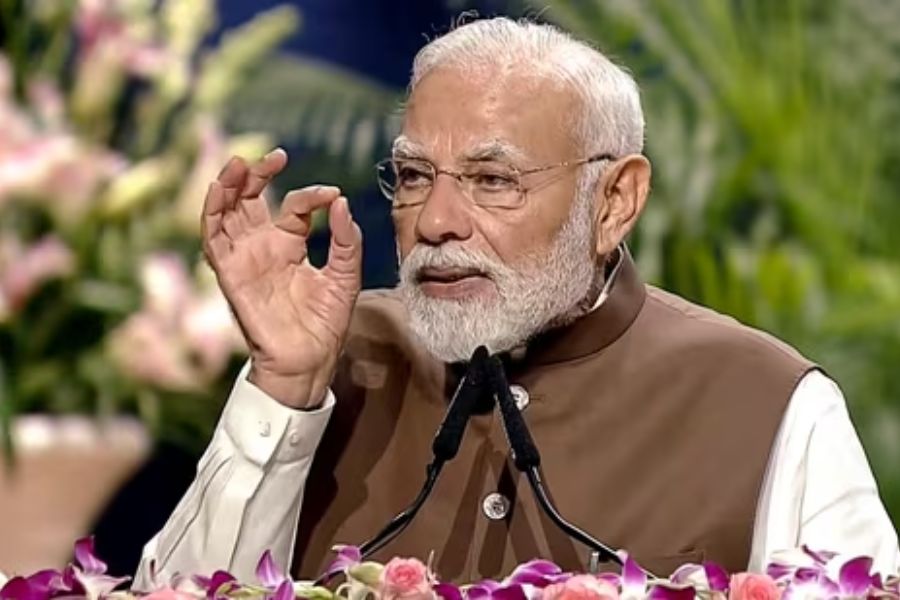
On October 11, 2025, PM Narendra Modi launched two major schemes with a total outlay of ₹35,440 crore—PM Dhan Dhaanya Krishi Yojana and Mission for Self-Sufficiency in Pulses. Aimed at boosting production, pulses cultivation, and crop diversification, the schemes will run until 2030-31. PM Modi underscored the significance of group farming, millet cultivation, and nutritional security, while inaugurating 1,054 projects and honoring farmers certified under the National Mission for Natural Farming, MAITRIs, and PACS. Prime Minister Narendra Modi on Saturday (Oct 11, 2025) launched two major central government schemes with a combined outlay of ₹35,440 crore, aimed at transforming 100 low-performing agricultural districts and boosting pulse production to reduce dependence on imports. Speaking at the Indian Agricultural Research Institute before a gathering of farmers and agricultural policymakers in New Delhi, he stated that while achieving self-sufficiency is essential, it is equally important to produce for the global market. He stressed the need to prioritize crops with the potential to lead in the international agricultural arena. The two newly launched schemes—PM Dhan Dhaanya Krishi Yojana, with an allocation of ₹24,000 crore for 100 low-performing districts, and the Mission for Self-Sufficiency in Pulses, with ₹11,440 crore—will play a crucial role in this effort. The two schemes, which have already received Cabinet approval, are set to be implemented from the upcoming rabi (winter) season and will continue until 2030-31. The Prime Minister also virtually inaugurated 1,054 completed projects worth over ₹5,450 crore and laid the foundation for 50 new projects valued at around ₹815 crore, covering sectors such as agriculture, animal husbandry, fisheries, and food processing. Focus on pulses and millets The Prime Minister highlighted the nutritional importance of pulses, particularly for vegetarians, emphasizing that pulse cultivation not only enhances farmers’ incomes but also strengthens the country’s nutritional security. Under the Pulses Mission, PM Modi emphasized the need to expand pulses cultivation by 35 lakh hectares by 2030 to enhance production and achieve self-reliance. The mission aims to increase pulses output from the current 252.38 lakh tonnes to 350 lakh tonnes by 2030-31, thereby reducing dependence on imports. He promoted the concept of group farming, urging small and marginal farmers to pool their land, focus on high-value crops, improve productivity, reduce costs, and gain better access to markets. PM Modi also discussed the government’s efforts to promote millets, including bajra (pearl millet) and jowar (sorghum), especially in regions facing water scarcity. Millet cultivation is not only continuing but gaining popularity due to growing market demand and increased health awareness. In areas with limited water, millets serve as a vital crop, and their presence in the global market is expanding rapidly. He further highlighted the indispensable role of farmers in making India self-reliant in food production, urging them to spearhead the nation’s journey toward becoming a developed country. PM-DDKY Implementation Under the PM Dhan Dhaanya Krishi Yojana, efforts to increase farm output in low-productivity districts, will include measures like expanded irrigation facilities and promotion of crop diversification. PM Modi stated that the PM-DDKY, inspired by the Aspirational Districts Programme, will focus on 100 low-performing agricultural districts and consolidate 36 schemes from various ministries. Among the 100 targeted districts, Uttar Pradesh has the largest share followed by Maharashtra and Madhya Pradesh. Uttar Pradesh – 12 districts Maharashtra – 9 districts Madhya Pradesh – 8 districts Rajasthan – 8 districts Bihar – 7 districts Gujarat – 4 districts Tamil Nadu – 4 districts Andhra Pradesh – 4 districts Telangana – 4 districts Odisha – 4 districts West Bengal – 4 districts Assam – 3 districts Kerala – 3 districts Chhattisgarh – 3 districts Jharkhand – 2 districts Uttarakhand – 2 districts Union Territory of Jammu & Kashmir – 2 districts These districts were selected based on low productivity, moderate crop intensity, and below-average access to credit. To implement the program, 36 different schemes from 11 departments will be converged. PM Modi pointed out that while the phrase “36 ka aankda” often implies opposition between two entities, the government has successfully brought together 36 schemes under the PM Dhan Dhaanya Krishi Yojana to drive holistic development in the identified districts. Farmer recognition At the event, PM Modi presented certificates to farmers certified under the National Mission for Natural Farming, MAITRI technicians, and Primary Agriculture Cooperative Credit Societies (PACS) that were converted into Pradhan Mantri Kisan Samriddhi Kendras (PMKSKs) and Common Service Centres (CSCs). The occasion showcased key accomplishments under government initiatives, including 50 lakh farmer memberships across 10,000 Farmer Producer Organisations (FPOs), with 1,100 FPOs reporting an annual turnover exceeding ₹1 crore in 2024-25. Other notable achievements included the certification of 50,000 farmers under the National Mission for Natural Farming, 38,000 MAITRIs (Multi-Purpose AI Technicians in Rural India), and the sanctioning and operationalisation of more than 10,000 multipurpose and e-PACS for digitalisation. The government also focused on strengthening PACS, as well as dairy and fishery cooperative societies. PM Modi interacted with farmers engaged in pulses cultivation, who have benefited from schemes promoting a value chain-based approach in agriculture, animal husbandry, and fisheries. The event was attended by Agriculture Minister Shivraj Singh Chouhan, Fisheries, Animal Husbandry and Dairying Minister Rajiv Ranjan Singh, and Minister of State for Agriculture Bhagirath Choudhary. Read more: Prime Minister Shri Narendra Modi interacts with the Farmers in Krishi program at the launch of two major schemes in the agriculture sector with an outlay of Rs 35,440 crore Uttar Pradesh to contribute 10–12% of the country’s total pulses production FAQs 1. What are the schemes launched by PM Modi and their objectives? PM Modi launched PM Dhan Dhaanya Krishi Yojana and the Mission for Self-Sufficiency in Pulses to transform 100 low-performing agricultural districts, boost productivity, increase pulses production, promote crop diversification, and reduce import dependence. 2. What is the budget and implementation timeline of these schemes? The combined outlay is ₹35,440 crore—₹24,000 crore for PM Dhan Dhaanya Krishi Yojana and ₹11,440 crore for the Pulses Mission. Both schemes will be implemented from the upcoming rabi (winter) season and continue until 2030-31. 3. Which

Food, feelings, and gen alpha: The new taste of India
India’s Generation Alpha the 390 million-strong cohort born after 2010 is quietly reshaping the country’s food and beverage landscape. Growing up in a digital, health-conscious, and emotionally aware world, these young consumers see food not just as nourishment, but as a source of joy, connection, and self-expression. India’s Generation Alpha — those born from 2010 onward and numbering nearly 390 million, or about 25% of the population — is emerging as a powerful force shaping the future of consumption. Raised in a fully digital, health-conscious, and emotionally aware environment, this generation is redefining food, seeing it not just as nourishment but as an emotional and sensory experience. IFF has unveiled groundbreaking consumer research exploring these insights. IFF’s latest study delves into Gen Alpha’s emotional connection to food, uncovering the flavours, textures and experiences that spark happiness. It also introduces product concepts that fuse indulgence with nutrition, providing a blueprint for brands seeking to build deeper, more lasting relationships with young consumers. According to Jayant Kapre, Vice President, Commercial, IFF Taste, India, “Gen Alpha may be young, but they are already powerful influencers in household food choices. By uncovering what brings them happiness — emotionally and nutritionally — this research empowers our partners to design products that truly resonate. Building trust today ensures long-term relevance and helps future-proof brand portfolios in a rapidly evolving market.” Food as an emotional experience For India’s Gen Alpha, food carries deep emotional meaning, symbolising affection, pride and belonging. Meals are tied to moments of celebration, togetherness and reward, making food a key part of how children experience happiness and connection. Unlike Millennials, who associate food with health, or Gen Z, who use it as a form of self-expression, Gen Alpha views food as a source of joy and emotional fulfilment. Their approach shifts the narrative from functional or lifestyle-based eating to experiential and happiness-driven consumption. Taste and texture as drivers of joy The study reveals that taste is the strongest driver of happiness, with over 75% of children saying their favourite foods make them happy because they are flavourful. Chocolate leads the list, with 80% ranking it among their top three flavours, followed closely by strawberry, cheese, and playful combinations like mango cheesecake and choco-banana. These choices highlight Gen Alpha’s openness to novelty and surprise, and their willingness to explore diverse taste experiences. Beyond taste, texture plays a crucial role in emotional satisfaction. Foods that are warm, soft, melty or crunchy evoke feelings of comfort and delight. Popular indulgences such as pizza and burgers are described as “warm,” “soft,” and “melty,” connecting them to celebratory moments and family gatherings. They are also tied to peer culture and modernity, chosen for their shareability and association with special occasions. Food is not just sensory — it’s also a medium of self-expression for Gen Alpha. Many children define their identities through food choices, reflecting both global exposure and traditional roots. While pasta may represent individuality and modern tastes, dishes like dal makhani and curd rice evoke comfort and a sense of home. Similarly, cake transcends its role as dessert — it’s a symbol of love and celebration, reinforcing the emotional depth food carries for this generation. The lunchbox gap: Parents vs. children One of the most striking insights from IFF’s study is the disconnect between parental intent and children’s desires. Parents often focus on nutrition, simplicity and home-cooked meals, believing these choices are healthier. However, children crave variety, surprise and sensory excitement, even in everyday meals. Only 40% of children said they were fully satisfied with their lunchboxes, while more than half expressed a desire for greater variety and indulgence — particularly cheesy, crunchy or spicy foods. This gap highlights an untapped opportunity for brands to design nutritious yet engaging offerings that appeal to both parents’ and children’s expectations. Despite parents’ efforts to limit processed snacks, 59% of Gen Alpha children frequently consume packaged snacks. This reflects the strong pull of convenience and indulgence, as well as the emotional appeal of colourful, flavourful, and engaging food experiences. For this generation, joy is as essential as nourishment, signalling a shift in how brands should approach product innovation. Opportunities for brands and innovators IFF’s research identifies clear innovation spaces for food and beverage brands eager to connect with Gen Alpha. These include: Emotion-led flavours and textures — such as cheesy crunch, melty comfort, and spicy playfulness that stimulate both sensory and emotional engagement. Playful, functional nutrition — probiotic drinks or snacks with interactive, flavour-rich profiles that blend fun and health. Interactive and bright packaging — designs that invite children to participate, such as do-it-yourself kits or build-your-own snack experiences, fostering autonomy and creativity. By combining variety, emotion and interactivity, brands can tap into Gen Alpha’s desire for joyful and expressive eating experiences. The future of food belongs to emotion IFF’s study paints a vivid picture of a generation that seeks more than just food — they seek connection, happiness and discovery in every bite. For brands, the message is clear: appealing to emotion is the new pathway to loyalty. As India’s Gen Alpha grows up in a digital-first, health-aware, and emotionally intelligent world, their influence on food culture will only intensify. Companies that listen, adapt and design with empathy will not just win over young consumers — they’ll secure their trust for generations to come.

UP and Bihar’s construction industry boom powers growth
The resurgence of India’s construction sector is propelling strong economic growth in Uttar Pradesh and Bihar, with the sector contributing 13.4% and 11.2% to their GVA in FY24, surpassing the national average of 8.9%. Robust government investment in infrastructure, housing initiatives like PMAY-U 2.0, and employment schemes for construction workers have fueled this expansion. Uttar Pradesh leads India’s construction GVA share at 12.5%, followed by Tamil Nadu and Maharashtra, highlighting construction as a key engine of regional economic revival and post-pandemic growth. The revival of India’s construction sector has emerged as a key driver of economic growth in Uttar Pradesh and Bihar, with both states witnessing a significant increase in the sector’s contribution to their Gross Value Added (GVA) in FY24, according to a recent report by HDFC Bank. The report highlights that construction activity in these states has accelerated sharply since the pandemic, supported by robust government initiatives and increasing private sector participation. The resurgence of the construction sector has substantially bolstered recent growth in Uttar Pradesh and Bihar, with the sector contributing 13.4% and 11.2%, respectively, to the states’ GVA—well above the national average of 8.9%. This growth has been complemented by the fact that both states rank among the top three recipients of the central government’s interest-free loans for capital investment projects, reflecting a strong policy focus on infrastructure-led development. According to the report, Uttar Pradesh has emerged as the leading contributor to India’s overall construction GVA, accounting for a 12.5% share in FY24. It is closely followed by Tamil Nadu at 11.8% and Maharashtra at 10%. Other notable contributors include Gujarat (6.9%), Karnataka (5.7%), Kerala (5.6%), and West Bengal (5.4%), illustrating the widespread role of construction as a growth engine across multiple regions. The rapid expansion of the construction sector in Uttar Pradesh marks a remarkable turnaround compared to earlier years. The sector’s share in the state’s total GVA rose from around 12% in FY12 to 13.4% in FY24, reflecting a significant uptick in infrastructure investment and housing development. Bihar, too, has demonstrated steady recovery, with its construction share reaching 11.2% in FY24 after a prolonged period of sluggish growth. Drivers of growth The revival in both states is largely fuelled by increased public investment in infrastructure, particularly through government-led initiatives focusing on housing, road connectivity, and urban development. Bihar, for instance, has received approval of Rs 9,640 crore under the ‘Special Assistance to States for Capital Investment 2023-24’ scheme. This allocation significantly strengthens the financial capability of states to undertake large-scale, long-gestation infrastructure projects, directly boosting construction activity across roads, bridges, water supply, and other capital assets. In addition to large-scale infrastructure projects, central government schemes such as the Pradhan Mantri Awas Yojana (PMAY) have played a critical role in stimulating construction growth. PMAY, the flagship scheme aimed at providing “Housing for All,” supports the construction of houses for eligible beneficiaries in both urban (PMAY-U) and rural (PMAY-G) areas. Under the second edition of the urban scheme, Pradhan Mantri Awas Yojana – Urban 2.0 (PMAY-U 2.0), an additional 1.47 lakh pucca houses have been approved across 14 States and Union Territories, including Uttar Pradesh, further supporting the construction sector and generating employment in allied industries. Beyond housing, several government schemes have targeted employment and skill development for workers in the unorganized sector, many of whom are employed in construction. Initiatives like the Garib Kalyan Rozgar Yojana focus on providing employment opportunities, including construction-related work, to returnee migrant workers affected by the pandemic. Such programs not only enhance livelihoods but also ensure that the construction sector has access to skilled labor, further strengthening its growth trajectory. The expansion of construction in these northern states also highlights a broader structural shift in the regional economy. With agriculture and manufacturing experiencing comparatively slower growth, construction has evolved into a major growth engine, cushioning the economy and driving overall development. The sector’s rapid revival has generated a ripple effect, stimulating demand for raw materials, machinery, and services, while also encouraging private sector participation in large-scale infrastructure projects. Overall, the strong performance of the construction sector in Uttar Pradesh and Bihar underscores a broader economic rebound, driven by a combination of enhanced public capital expenditure, targeted government schemes, and growing private sector involvement. Read more: India’s real estate sector could hit US$ 10 Tn by 2047 India leads APAC in real estate resilience and growth FAQs 1. What is construction GVA and why does it matter for UP and Bihar?It measures the construction sector’s economic contribution. Higher GVA means more growth, jobs, and infrastructure development. 2. How much did the construction sector contribute in FY24?UP’s construction share was 13.4% and Bihar’s 11.2% of GVA—both above India’s 8.9% average. 3. What government schemes are driving growth?Key schemes include PMAY-U 2.0, Garib Kalyan Rozgar Yojana, and Special Assistance for Capital Investment 2023-24. 4. Why is UP leading India in construction GVA?UP ranks first with a 12.5% national share, driven by major infrastructure projects and strong government spending. 5. How is the boom impacting jobs?It’s creating large-scale employment in construction and allied sectors like cement, steel, and logistics.

Google to invest US$10 billion in Andhra Pradesh
Andhra Pradesh Chief Minister N. Chandrababu Naidu recently announced that Google will invest ₹88,000 crore (US$ 10 billion) over three years in data centre and AI projects in Visakhapatnam through its subsidiary Raiden Infotech. The initiative will create around 1,88,000 jobs and add ₹10,518 crore annually to the state’s GSDP between 2028–2032. The facility will feature three campuses, submarine cables, metro fiber networks, and support infrastructure. The project aligns with green energy goals, fosters AI and cloud innovation, drives growth in power, real estate, and telecom, and strengthens Andhra Pradesh’s investor-friendly policies and “Digital Andhra” vision. Andhra Pradesh Chief Minister N. Chandrababu Naidu on Friday (10 October) announced that Google will invest ₹88,000 crore (approximately US$ 10 billion) over the next three years in data centre and Artificial Intelligence (AI) projects in Visakhapatnam (Vizag). CM Naidu described the investment, made through Google’s subsidiary Raiden Infotech India Ltd, as a “gamechanger” for the state’s economy, noting that it represents the largest single private investment in India since the introduction of financial reforms. While addressing an event at Nellore where multiple private projects were inaugurated, Mr Naidu stated that the government has finalised plans for Google’s data centres and AI initiatives in Vizag. He noted that this monumental investment will transform Andhra Pradesh into a leading technology and innovation hub in southern India in the coming years. Transforming Andhra Pradesh into a technology hub The state officials noted that Google’s investment will fund multiple large-scale data centres, cutting-edge AI research facilities, and critical infrastructure to enhance cloud computing and digital services. The partnership is expected to create thousands of direct and indirect employment opportunities, while the state government and Google will jointly implement skill development programmes to train young professionals in areas such as machine learning, data analytics, and cloud architecture. According to sources in the Andhra Pradesh Information Technology, Electronics & Communications (ITE&C) Department, Google’s facility will consist of three major data centre campuses in Adavivaram and Tarluvada (Visakhapatnam district) and Rambilli (Anakapalli district), all expected to be operational by July 2028. The development will include three high-capacity submarine cables through dedicated landing stations, extensive metro fiber networks, and associated telecommunications infrastructure. Independent assessments by Access Partnership and Google’s economic modelling estimate that the project will contribute an average of ₹10,518 crore annually to Andhra Pradesh’s GSDP during its first five years (2028–2032). It is also expected to generate around 1,88,220 direct and indirect jobs each year across construction, data centre operations, engineering, IT, and supply chain roles. Infrastructure, green initiatives, and policy support Industry analysts see Google’s investment as a significant affirmation of Andhra Pradesh’s robust infrastructure, progressive policies, and effective governance. CM Naidu, a consistent advocate of the “Digital Andhra” vision, stated that the collaboration bolsters the state’s goal of emerging as India’s leading centre for AI and data innovation, in line with the broader national vision of Digital India and advancements in artificial intelligence. He further added that the government expects the data centre to drive growth in ancillary sectors such as power, fibre optics, real estate, and telecommunications, while also supporting upgrades to road and power infrastructure and increasing state revenues through SGST, electricity duty, and property tax once the incentive period ends. Mr Naidu stated that Google’s investment reflects strong global confidence in Andhra Pradesh’s governance, policy consistency, and implementation efficiency. He highlighted that the state provides single-window clearances, proactive support, dependable power and water supply, integration of renewable energy, and ready-to-use industrial infrastructure. The project aligns with the state’s vision for green data centres powered by renewable energy. Additionally, a dedicated Emerging Technologies Cluster will be developed around the facility to attract AI and cloud technology firms. It is to be noted that the Andhra Pradesh State Investment Promotion Board (SIPB), headed by Chief Minister N. Chandrababu Naidu, had recently approved 30 investment proposals totaling ₹1.14 trillion, including a US$10-billion data centre by Google. A state government statement said these projects cover sectors such as information technology, fuel, tourism, aerospace, food processing, and more. The government stated it will keep promoting ease of doing business by implementing policy reforms and providing fast-track approvals for investors. Conclusion Google’s US$ 10-billion investment in Visakhapatnam is a landmark move that not only strengthens Andhra Pradesh’s “Digital Andhra” vision but also enhances its position as a national hub for AI, cloud, and data innovation. Beyond generating nearly 1.88 lakh jobs and boosting GSDP, the project will drive infrastructure upgrades, support ancillary industries, and promote green data centres. Coupled with proactive policies, single-window clearances, and skill development initiatives, it underscores the state’s appeal to global investors. Read more Google $10B data centre in Visakhapatnam to boost India’s cloud market Google I/O 2025: Smarter search, beam, and Gemini upgrades FAQ What is the total investment Google is making in Andhra Pradesh? Google, through its subsidiary Raiden Infotech, is investing ₹88,000 crore (approximately $10 billion) over the next three years in data centre and AI projects in Visakhapatnam. How many jobs will the project create? The project is expected to generate around 1,88,000 direct and indirect jobs annually across construction, data centre operations, engineering, IT, and supply chain sectors. What is the expected contribution to Andhra Pradesh’s GSDP? The investment is projected to add ₹10,518 crore annually to the state’s GSDP between 2028 and 2032. Where will the data centres be located? The facility will have three major campuses in Adavivaram and Tarluvada (Visakhapatnam district) and Rambilli (Anakapalli district). How is the state facilitating the investment? The government provides single-window clearances, fast-track approvals, reliable power and water, plug-and-play industrial infrastructure, and proactive investor support.

Google $10B data centre in Visakhapatnam to boost India’s cloud market
Google plans a US$ 10 billion hyperscale data centre cluster in Visakhapatnam, Andhra Pradesh, spread across three campuses and targeted to be operational by 2028. The project will support AI workloads, cloud services, and enterprise computing while emphasizing renewable energy and sustainable operations. With advanced infrastructure like submarine cables, microgrids, and energy-efficient cooling, the centre promises reduced latency, local jobs, and economic growth. This investment positions India as a key player in regional digital and cloud infrastructure, blending technological advancement with environmental responsibility. Alphabet-owned Google is planning a major push into India’s cloud and AI infrastructure with a proposed $10 billion investment to build a 1-gigawatt data centre cluster around Visakhapatnam, Andhra Pradesh. The project, reportedly spread across three campuses in Adavivaram, Tarluvada, and Rambilli, could become one of the largest digital infrastructure investments in India, highlighting the country’s rising importance in the global tech map. The scale of this investment is unprecedented. It would include submarine cables, dedicated landing stations, metro-fiber links, and high-capacity infrastructure capable of supporting cloud services, data storage, and AI workloads. For Google, locating data centres closer to growing Asian markets reduces latency and meets the rising demand for compute-heavy services such as machine learning, streaming, and enterprise cloud. For Andhra Pradesh, the economic promise is substantial: high-value construction and operations jobs, local supply chain engagement, and upgraded digital infrastructure that could attract other tech firms. However, land acquisition and legal disputes remain challenges, with authorities working to resolve community concerns and ensure fair compensation. How much power does a hyperscale data centre consume and why is energy important? A facility like Google’s Visakhapatnam campus can consume hundreds of megawatts of electricity — comparable to the needs of a small city. Most of this power is used to run servers, storage systems, networking equipment, and advanced cooling systems that prevent overheating and maintain optimal performance. Energy efficiency directly impacts operational costs and environmental footprint. Advanced cooling techniques, energy-optimized servers, and efficient design help reduce both electricity use and carbon emissions. Many modern data centres aim for a Power Usage Effectiveness (PUE) ratio close to 1.1, meaning nearly all energy goes into computing rather than overhead. How do data centres source electricity sustainably? Leading companies increasingly rely on renewable energy like solar, wind, or hydro. They may enter long-term power purchase agreements (PPAs) or invest in local renewable projects. Coastal data centres, such as Visakhapatnam, can integrate microgrids and battery storage to balance supply and demand while maintaining uninterrupted operations. What safeguards ensure reliability and resilience? To maintain uptime for cloud and AI services, data centres deploy redundant power lines, backup generators, uninterruptible power supplies (UPS), and advanced cooling systems. They are often designed to withstand grid fluctuations, extreme weather, and other operational risks. How do sustainable measures benefit local communities? Efficient operations and renewable power reduce strain on local grids and lower emissions. Moreover, large-scale data centre projects generate skilled jobs, infrastructure upgrades, and opportunities for local suppliers, while minimizing environmental impact. As hyperscale data centre demand grows in India, Google’s Visakhapatnam cluster would accelerate the country’s transformation into a regional hub for cloud computing and AI services. Beyond economic gains, it poses a blueprint for combining digital growth with sustainability, showing that large infrastructure projects can serve both technological and environmental goals. With discussions between Google and Andhra Pradesh officials ongoing, the project could mark a landmark moment for India’s digital economy, where power management, sustainability safeguards, and community benefits are as critical as servers and cables. FAQs: 1. What is the capacity and investment of Google’s Visakhapatnam data centre? Google plans to invest $10 billion to build a 1-gigawatt hyperscale data centre in Visakhapatnam, Andhra Pradesh. This facility will be Google’s first major data centre project in India and the largest in Asia. 2. How does Google ensure sustainability in its data centres? Google is committed to operating the world’s most energy-efficient computing infrastructure. In 2024, the average annual Power Usage Effectiveness (PUE) for Google’s global data centres was 1.09, significantly lower than the industry average of 1.56. This efficiency is achieved through advanced cooling systems, AI-driven temperature controls, and optimized power distribution. 3. What renewable energy sources will power the Visakhapatnam data centre? Google has allocated $2 billion specifically for renewable energy infrastructure to power the Visakhapatnam data centre. The company aims to run its data centres on 24/7 carbon-free energy by 2030, sourcing electricity from solar, wind, and hydroelectric projects. 4. How does the data centre impact the local community? The Visakhapatnam data centre project is expected to create numerous job opportunities and stimulate local economic growth. Google plans to collaborate with local communities to provide employment and support regional development. 5. What are the challenges associated with the data centre project? The project has faced legal challenges related to land acquisition, with some disputes arising over compensation and ownership. However, the Andhra Pradesh government is actively working to resolve these issues to ensure the timely completion of the data centre.
Turning waste into wealth: India’s bold leap in critical mineral recycling
The Ministry of Mines’ Rs. 1,500 crore Critical Mineral Recycling Incentive Scheme aims to recover key minerals from e-waste, lithium-ion batteries, and other scrap, boosting India’s supply of lithium, cobalt, nickel, rare earths, and platinum group metals. Running from FY26 to FY31, the scheme offers Capex and Opex support to large recyclers and start-ups, targeting 270 kilo tonnes of annual recycling capacity, 40 kilo tonnes of mineral output, Rs. 8,000 crore in investment, and 70,000 jobs. The Ministry of Mines has released comprehensive guidelines for the Critical Mineral Recycling Incentive Scheme, aimed at recovering valuable minerals from waste such as e-waste, spent lithium-ion batteries, permanent magnets, catalytic converters, and alloy scraps. Announced on September 8, 2025, under the National Critical Minerals Mission, this Rs. 1,500 crore initiative is designed to help India secure critical minerals including lithium, cobalt, nickel, rare earth elements, and platinum group metals. According to the guidelines, the scheme will benefit recyclers of secondary products engaged in the recovery of these minerals. Beneficiaries will be classified into two groups based on their global manufacturing revenue. Group A will comprise large, established recyclers with revenues of at least Rs. 200 crore. They will be required to invest a minimum of Rs. 100 crore and establish facilities with an annual capacity of 10,000 tonnes. Group B will include smaller recyclers and startups with revenues below Rs. 200 crore, requiring an investment of at least Rs. 25 crore and facilities with a capacity of 5,000 tonnes per year. The scheme allocates a total of Rs. 1,485 crore, with Rs. 700 crore earmarked for lithium-ion battery recycling, Rs. 650 crore for e-waste recycling, and Rs. 135 crore for other waste streams. Of the total, Group A will be eligible for incentives of up to Rs. 990 crore, while Group B will receive up to Rs. 495 crore, with provisions allowing for the reallocation of unused funds between groups. The incentives will be provided in two formats—capital expenditure (Capex) subsidies and operational expenditure (Opex) support. Capex subsidies will range between 14% and 20%, depending on how quickly projects commence production after obtaining environmental clearance. Opex incentives will be tied to incremental sales, with 40% disbursed in the second year and 60% in the fifth year. Group A recyclers must achieve sales of Rs. 60 crore in year two and Rs. 150 crore in year five, whereas Group B recyclers must reach Rs. 30 crore and Rs. 75 crore, respectively. The incentives will be capped at Rs. 50 crore for Group A and Rs. 25 crore for Group B. The scheme aims to strengthen India’s supply security of critical minerals, foster innovation, support startups, and position India as a hub for sustainable recycling technologies. These minerals are essential for clean energy, electric mobility, electronics, and advanced manufacturing but are concentrated in a few regions globally, creating significant supply risks. By promoting recycling and recovery from secondary sources, the government intends to reduce import dependence and develop a circular economy for high-value materials. The scheme’s incentives are projected to establish at least 270 kilo tonnes of annual recycling capacity, resulting in approximately 40 kilo tonnes of annual critical mineral production, attracting about Rs 8,000 crore of investment and generating close to 70,000 direct and indirect jobs. Before formulating the scheme, several rounds of consultations with industry and other stakeholders were conducted through dedicated meetings, seminar sessions, and similar engagements, the statement said. The scheme will span a tenure of six years from FY26 to FY31. Eligible feedstock will include e-waste, Lithium Ion Battery (LIB) scrap, and scrap other than e-waste and LIB scrap, such as catalytic converters from end-of-life vehicles. Expected beneficiaries will comprise both large, established recyclers and small, new recyclers (including start-ups), for whom one-third of the scheme outlay has been earmarked. The scheme will apply to investments in new units as well as expansion of capacity/modernisation and diversification of existing units. It will provide incentives for the recycling value chain engaged in the actual extraction of critical minerals, and not for the value chain involved solely in black mass production. This scheme will support the recycling of e-waste, LIB scrap, and catalytic converters from end-of-life vehicles. “It will provide targeted incentives to both large recyclers and emerging start-ups, fostering innovation, modernisation, and capacity expansion across the recycling ecosystem,” Union Minister for Heavy Industries and Steel H D Kumaraswamy said in an official statement. The China Factor The Critical Mineral Recycling Incentive Scheme has emerged in response to China’s export restrictions announced on April 4, which targeted seven medium and heavy rare earth elements — samarium, gadolinium, terbium, dysprosium, lutetium, scandium, and yttrium — disrupting the supply chain for permanent magnets. China controls around 60–70% of global production and over 85–90% of refining capacity, securing a dominant position across the entire rare earth supply chain, from extraction to the manufacture of high-performance magnets. Although China later eased export curbs for India, the move served as a wake-up call globally, and for India in particular, to build a stable domestic supply chain. This urgency has especially affected electric vehicle (EV) manufacturers, who have been prompted to seek alternatives. India’s current requirement for magnets stands at 5,000–6,000 tonnes annually, a demand projected to rise due to growth in sectors such as wind energy, robotics, drones, and the automotive industry. While India possesses significant deposits of rare earth elements, it lacks the technology and capacity for mining, processing, and refining them. Moreover, environmental and regulatory challenges exist in some regions such as Rajasthan and along the western coast. Building a supply chain to meet domestic needs will take considerable time, prompting India to explore solutions through localisation and industry incentives. Read more India’s solar potential soars: NISE maps 3,343 GWp from wastelands Driving sustainable energy and waste solutions with Ankur Scientific FAQs Q1. What is the Critical Mineral Recycling Incentive Scheme 2025?The government’s ₹1,500 crore initiative to recover lithium, cobalt, nickel, rare earths, and platinum group metals from e-waste, spent lithium-ion batteries, and industrial

Households experience relief as price pressures ease
Indian households are beginning to see relief from persistent inflation, according to the RBI’s September 2025 Inflation Expectations Survey of Households (IESH). The survey, covering 6,082 respondents across 19 cities, showed slower expected-price-rises in food, non-food products, housing, and services, though current inflation perception edged up slightly to 7.4%. Short-term and one-year inflation expectations fell to 8.1% and 8.7%, respectively. Younger respondents (up to 25 years) perceived lower inflation, while among cities, Kolkata reported the highest perception of current inflation. Indian households are beginning to experience respite from ongoing inflation. In the latest round of the Reserve Bank of India’s (RBI) bi-monthly Inflation Expectations Survey of Households (IESH), respondents reported an overall easing of price and inflationary pressures. The September 2025 survey indicated a slowdown in expected price rises across key product categories, even as the perception of current inflation edged up slightly. This easing was noticeable across major sectors: Food and non-food products: Households anticipated slower price increases compared with previous survey rounds. Housing and services: Respondents reported reduced pressures, indicating a stabilization in rents and service costs. Conducted between August 28 and September 06 across 19 major cities, the survey gathered 6,082 responses. Although easing has been observed, households’ inflation expectations are still above the RBI’s medium-term target 4%. Inflation perceptions and expectations The findings of the survey revealed that the median perception of current inflation increased marginally by 20 basis points to 7.4% compared with the previous round. However, near-term inflation expectations recorded a decline. Inflation expectations for the next three months fell by 20 basis points to 8.1%, while one-year ahead expectations dropped by 30 basis points to 8.7%. At both horizons, the share of households anticipating higher prices and inflation was lower than in the earlier round. Product-wise, 77.8% of households anticipated a price rise in the coming three months, compared with 79.5% in the earlier survey. Over a one-year horizon, 86.8% expected higher prices, slightly lower than 88.1% previously. Differences also emerged across age groups. Respondents up to 25 years reported the lowest current perception of inflation at 7.0%, while households above 60 years reflected a higher level at 7.9%. City-wise, Kolkata registered the highest perception of current inflation at 10.5%, followed by Mumbai at 8.5% and Delhi at 8.0%. The RBI emphasized that the survey results offer directional insights into household views on inflation based on their consumption patterns but do not necessarily reflect the central bank’s own assessment of inflation trends. Still, the downward trend in household inflation expectations could provide comfort to the Monetary Policy Committee (MPC), which has held interest rates steady in recent sessions while balancing inflation management with growth. Economists suggest that if these expectations continue to ease, the RBI may have more scope to maintain its pause-and-watch approach or potentially consider a rate cut in the near future. A snapshot of inflation trends in August India’s consumer price inflation rose to 2.07% in August 2025, compared with a revised 1.61% in July, largely in line with market expectations. This was the first monthly uptick in inflation in ten months, though it remained close to the Reserve Bank of India’s lower tolerance limit of 2% under its inflation-targeting framework. Food prices, which account for nearly half of the CPI basket, declined by 0.69%, easing from a sharper 1.76% fall in July. Inflation picked up for pan, tobacco and intoxicants (2.49% versus 2.45%) as well as for miscellaneous items (5.05% versus 5.01%). In contrast, price increases slowed for clothing and footwear (2.33% versus 2.50%), housing (3.09% versus 3.17%), and fuel and light (2.43% versus 2.67%). In India, the largest component of the Consumer Price Index (CPI) is food and beverages, which accounts for 45.86% of the total weight. Within this, cereals and products hold 9.67%, milk and products 6.61%, vegetables 6.04%, prepared meals, snacks and sweets 5.55%, meat and fish 3.61%, and oils and fats 3.56%. The miscellaneous category makes up 28.32%, with major contributors including transport and communication (8.59%), health (5.89 %), and education (4.46%). Housing has a weight of 10.07%, followed by fuel and light at 6.84%, clothing and footwear at 6.53%, and pan, tobacco, and intoxicants at 2.38%. Consumer price movements in India tend to be highly volatile due to several factors. These include heavy dependence on energy imports, the unpredictable effect of monsoon rains on its large agricultural sector, challenges in transporting food products owing to inadequate road and infrastructure facilities, and the pressure of a high fiscal deficit. In 2013, the Consumer Price Index officially replaced the Wholesale Price Index (WPI) as the primary gauge of inflation in the country. Read more Reserve Bank of India (RBI) lowers its FY26 inflation forecast Fireworks continue in retail as tax cuts keep buyers in good spirits RBI survey shows urban and rural consumer confidence…. FAQs What is the RBI’s Inflation Expectations Survey of Households (IESH)? The IESH is a bi-monthly survey conducted by the Reserve Bank of India to gauge households’ perceptions and expectations of inflation across key product categories. It provides directional insights but does not reflect the RBI’s official assessment of inflation. What were the key findings of the September 2025 survey? Households reported an overall easing of price and inflationary pressures. Expected price rises slowed across food, non-food products, housing, and services, although current inflation perception edged up slightly. How many households participated in the survey? The survey covered 6,082 respondents across 19 major cities. What were the current and expected inflation rates? Median perception of current inflation: 7.4% (up 20 basis points) Three-month expectation: 8.1% (down 20 basis points) One-year expectation: 8.7% (down 30 basis points) Which age groups and cities reported the highest or lowest inflation perception? Lowest perception: respondents up to 25 years (7.0%) Highest perception: households above 60 years (7.9%) City-wise highest: Kolkata (10.5%), followed by Mumbai (8.5%) and Delhi (8.0%)
India’s electronics sector: Soaring with ₹1.1 lakh crore investments
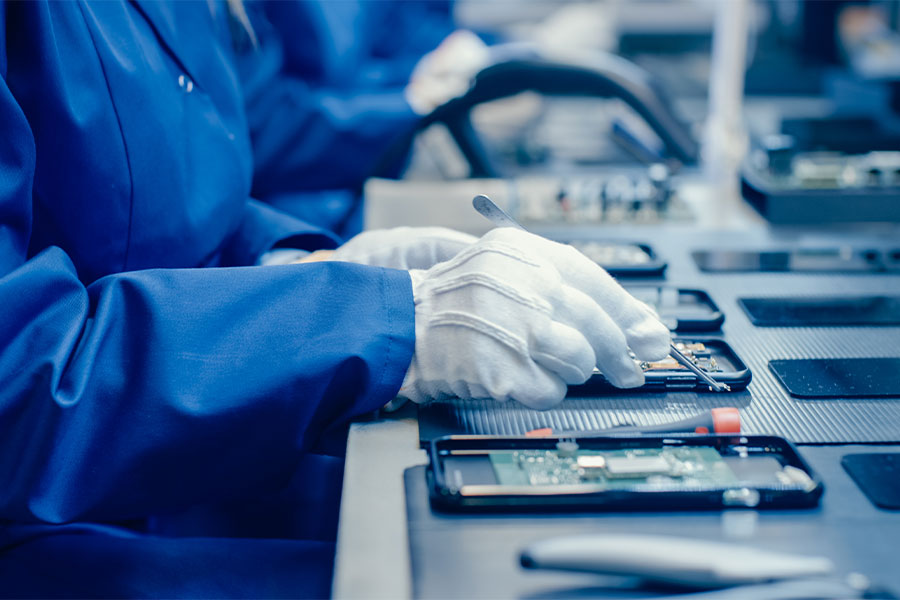
India’s electronics sector is surging forward, driven by the transformative Electronics Component Manufacturing Scheme (ECMS). This bold initiative, introduced with a ₹22,919 crore budget, has sparked over ₹1.1 lakh crore in investment proposals—nearly double the expected target. From global giants like Foxconn to local innovators like Tata Electronics and thousands of small businesses, the scheme is slashing India’s $20 billion import reliance. By focusing on mobile phones, IT hardware, and key components like circuit boards, it promises to create millions of jobs and propel exports toward $300 billion by 2030. With Minister Ashwini Vaishnaw’s vision of rapid approvals and homegrown design, India is not just assembling gadgets—it’s crafting a self-reliant future in the $500 billion global electronics market. The Electronics Component Manufacturing Scheme (ECMS), with a six-year budget of ₹22,919 crore, is designed to strengthen India’s electronics manufacturing ecosystem. It provides financial incentives, including cashback on capital investments, to offset the high costs of setting up production facilities for critical components like printed circuit boards (PCBs), enclosures, and electro-mechanical parts. Currently, India imports 70% of its electronics components, leaving it vulnerable to global supply chain disruptions, as seen during recent chip shortages. The ECMS aims to localize production, reducing this dependency and fostering resilience. Building on the success of the Production Linked Incentive (PLI) scheme, which propelled India to become the world’s second-largest mobile phone producer with over 33 crore units annually, the ECMS supports both micro, small, and medium enterprises (MSMEs) and large corporations, promoting inclusive growth across the sector. The response to the ECMS has been overwhelming, with 249 applications proposing investments worth ₹1.15 lakh crore, far surpassing the initial target of ₹57,000 crore. These proposals are projected to generate ₹10.3 lakh crore in production and utilize ₹22,805 crore in government incentives. Notably, over 60% of these applications come from MSMEs, highlighting the scheme’s appeal to smaller players and its potential to create a broad-based manufacturing ecosystem. Industry leaders such as Tata Electronics, Dixon Technologies, Amber Enterprises, and global players like Foxconn and Flex have also joined the fray. A single ₹22,000 crore mega-proposal stands out, likely to anchor a state-of-the-art manufacturing facility. According to Dixon’s Chairman Sunil Vachani, this influx could boost value addition in mobile and IT hardware manufacturing by 20-30%, significantly enhancing the competitiveness of Indian exports on the global stage. Driving innovation with critical components The ECMS is channeling investments into high-demand components that form the backbone of modern electronics. Enclosures for mobile phones and IT hardware lead the pack, with 16 proposals worth ₹35,813 crore, essential for protecting devices like smartphones and laptops. Flexible printed circuit boards (PCBs), critical for compact and foldable devices like wearables, have attracted 11 proposals totaling ₹16,542 crore. Electro-mechanical components, such as connectors and switches, garnered 87 proposals worth ₹14,362 crore, while multi-layer PCBs, used in complex electronics like servers and electric vehicles (EVs), drew 43 proposals for ₹14,150 crore. These investments address critical supply chain gaps exposed by global shortages, particularly in semiconductors. By offering incentives for research and development, the scheme encourages Indian firms to innovate, potentially creating homegrown intellectual property in areas like advanced semiconductors, which could benefit industries such as defense, telecom, and renewable energy. Powering Progress: Government’s Strategy Union Minister Ashwini Vaishnaw is steering the ECMS with a focus on speed and innovation. He has committed to fast-tracking project approvals to ensure swift implementation, emphasizing original design manufacturing (ODM) to foster local innovation and intellectual property development. To maintain transparency and national security, investments from countries sharing land borders with India are subject to strict scrutiny under Press Note 3 guidelines. Beyond approvals, the government is investing in skill development programs and advanced testing facilities to create a robust ecosystem. These efforts aim to position India as a global competitor, capable of rivaling established electronics manufacturing hubs like Taiwan and South Korea. The ECMS is poised to deliver significant economic benefits, including the creation of 5-6 lakh direct and indirect jobs, particularly in Tier-2 and Tier-3 cities. This job growth will stimulate local economies and drive inclusive development. The scheme is also expected to boost annual exports by $10-15 billion, increasing India’s electronics GDP share from 3% to 8% by 2030. Localized production reduces logistics-related emissions, aligning with sustainability goals. However, challenges remain, including infrastructure bottlenecks, a shortage of skilled labor, and reliance on imported raw materials. Overcoming these hurdles will require streamlined approvals, robust public-private partnerships, and investments in training, building on the PLI scheme’s proven success. The ₹1.1 lakh crore investment surge under the ECMS marks a pivotal moment for India’s electronics sector. By fostering local production, innovation, and job creation, the scheme is laying the foundation for a self-reliant India that can compete in the global $500 billion electronics market. As factories rise, skills develop, and exports soar, India is not just keeping pace—it’s setting the stage to lead the world in electronics manufacturing, shaping a vibrant economic and technological future. Read more: Electronics value addition to reach 90% by FY27, exports rising Robust demand drives IT exports to US$ 224 billion in FY25 India’s electronics exports: A surge towards global leadership FAQ: What is the Electronics Component Manufacturing Scheme (ECMS)?The ECMS is a government initiative with a ₹22,919 crore budget aimed at boosting domestic manufacturing of key electronic components like PCBs, enclosures, and electro-mechanical parts, reducing India’s import dependency. How will ECMS impact India’s electronics exports?The scheme is expected to boost exports by US$10–15 billion annually, with the broader goal of achieving US$300 billion in electronics exports by 2030. What types of electronic components are prioritized under ECMS?The scheme focuses on high-demand components such as printed circuit boards (PCBs), flexible PCBs, electro-mechanical parts like connectors and switches, and enclosures for mobile and IT hardware. What challenges could hinder the success of ECMS?Key challenges include infrastructure bottlenecks, shortage of skilled labor, reliance on imported raw materials, and the need for streamlined approvals and stronger public-private partnerships. How will ECMS contribute to India’s goal of becoming a global electronics hub?The